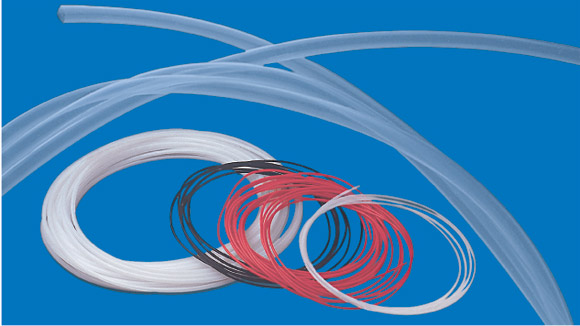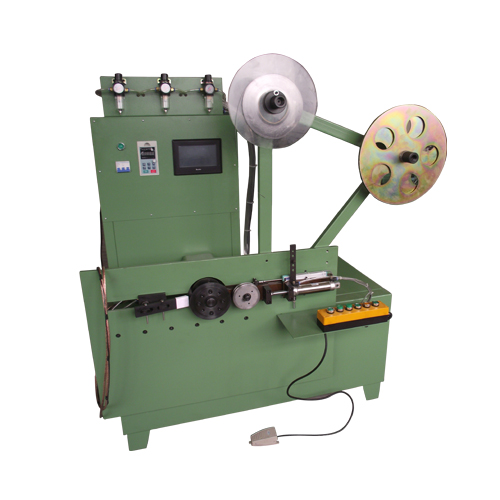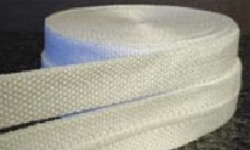
Amid the relentless pursuit of operational efficiency, procurement specialists often face a recurring nightmare: unscheduled shutdowns traced back to leaking pumps and valves. At the heart of these failures lies a seemingly simple component—synthetic fiber packing. What are the common failure modes of Synthetic Fiber Packing and how to prevent them? Understanding the answer can save thousands in maintenance costs, reduce energy waste, and protect critical equipment. Common failure modes include extrusion, excessive abrasion, thermal degradation, chemical attack, and installation errors. Each mode silently erodes sealing performance until a catastrophic leak occurs. However, by recognizing early warning signs and applying material‑specific preventive measures, reliability engineers can drastically extend packing life. At Ningbo Kaxite Sealing Materials Co., Ltd., we’ve synthesized decades of field data into actionable guidelines that help global buyers specify the right packing for steam, corrosive fluids, and high‑pressure conditions. Read on to transform packing from a frequent headache into a predictable, low‑maintenance asset.
Synthetic fiber packing operates at the interface between moving shafts and stationary housings. Despite its robust construction, everyday stressors converge to cause premature failure. The five dominant failure mechanisms—extrusion, abrasion, thermal overload, chemical incompatibility, and poor installation—account for over 85% of unscheduled seal replacements in process plants. Left unchecked, they result not only in fluid loss but also in shaft scoring, increased power consumption, and environmental non‑compliance. Fortunately, each mode reveals itself through distinct symptoms: extrusion leaves deformed rings squeezed into the clearance gap, abrasion generates excessive graphite dust, thermal damage causes hardening and cracking, chemical attack turns the packing into a mushy paste, and misalignment manifests as uneven wear. By mapping the observable signs to the root cause, maintenance teams can adopt targeted prevention—from selecting reinforced cross‑braided structures to lubricating with high‑temperature barrier fluids.
Pain point scenario: In a petrochemical plant, a fresh set of PTFE/graphite packing was installed into a high‑pressure boiler feed pump. Within 48 hours, the gland follower required constant tightening, and a visible ribbon of packing material began oozing from the stuffing box throat. The plant engineer suspected a design flaw in the packing.
Solution: Extrusion occurs when the fluid pressure exceeds the packing’s mechanical resistance, forcing it into the annular clearance between the shaft and the bottom of the stuffing box. To prevent this, choose packings with a dense braid structure reinforced with anti‑extrusion carbon or aramid corner fibers. Ningbo Kaxite’s KA‑3000 series integrates aramid‑reinforced corners that block migration even under 50‑bar differential pressure. Additionally, a proper lantern ring and flush system reduce the pressure gradient across the initial ring.
| Feature | Conventional PTFE Packing | Kaxite KA‑3000 Anti‑Extrusion Packing |
|---|---|---|
| Max pressure (dynamic) | 20 bar | 55 bar |
| Extrusion resistance | Low – deforms above 15 bar | High – zero creep at 50 bar test |
| Shaft clearance tolerance | ≤0.15 mm | ≤0.40 mm |
| Typical service life | 2–3 months | 8–12 months |
Such data‑backed design means procurement teams can source a single solution for pumps previously thought to require mechanical seals.
Pain point scenario: A wastewater treatment facility constantly replaced packing on submersible mixers handling gritty slurry. Every three weeks, the packing turned into a shredded mass, and the maintenance budget spiraled out of control. The team was skeptical that any fiber packing could survive.
Solution: Abrasion chews through packing when particulates embed into the fiber structure and act as micro‑cutting agents. The remedy lies in a self‑lubricating packing that forms a transfer film on the shaft. Kaxite’s KA‑4000 combines high‑purity graphite dispersion with a flexible Inconel‑wire‑reinforced core. The graphite continuously replenishes the wear surface, while the metal reinforcement resists deep scoring. Independent laboratory tests show a 70% longer run time in slurries containing 5% silica sand compared to standard graphite packings.
| Packing Type | Wear Rate (mm³/N·m) | Max Shaft Speed | Recommended Media |
|---|---|---|---|
| Standard graphite/PTFE | 2.8 × 10⁻⁷ | 8 m/s | Clean water, oils |
| Kaxite KA‑4000 Inconel‑reinforced | 0.9 × 10⁻⁷ | 15 m/s | Slurries, crystallizing fluids |
| Pure aramid | 4.5 × 10⁻⁷ | 6 m/s | Dry powders (low speed only) |
By matching the packing’s wear resistance to the abrasive potential of the process fluid, procurement managers can cut annual packing consumption by more than half.
Pain point scenario: After a steam trap upgrade, a chemical plant observed that packing rings in the 280°C condensate return line turned brittle and shattered during routine retightening. The failure caused steam leaks and a hazardous work environment.
Solution: Thermal degradation breaks down the polymer matrix when the continuous service temperature exceeds the packing’s rating. The key is selecting fibers with high thermal stability and minimal thermal expansion. Kaxite’s KA‑5000 series employs a carbon‑graphite core with a sacrificial silicone outer jacket, rated for 450°C in steam and able to cope with thermal cycling. Pre‑compressed rings minimize the necessary gland load and reduce frictional heat buildup, further guarding against oxidation.
| Temperature Limit | Graphite Packing (standard) | Kaxite KA‑5000 Carbon Hybrid | PTFE‑Only Packing |
|---|---|---|---|
| Continuous | 340°C (steam) | 450°C | 260°C |
| Oxidative resistance | Poor above 370°C | Excellent – ceramic filler | Not applicable |
| Thermal conductivity | 15 W/m·K | 28 W/m·K | 0.25 W/m·K |
Understanding these thermal limits allows buyers to confidently specify packing for demanding heat transfer applications without worrying about sudden ring fracture.
Pain point scenario: A pharmaceutical reactor using acetic acid at 120°C experienced frequent packing leaks. Inspection revealed the packing had turned into a soft, jelly‑like mass. The packing was labeled “universal,” yet clearly could not withstand the aggressive media.
Solution: Chemical attack degrades fibers by hydrolysis, oxidation, or solvent swelling. Preventing it requires a detailed chemical compatibility assessment. Kaxite offers a free Compatibility Selector Guide and pre‑evaluated materials such as KA‑6000 expanded PTFE with inert carbon filler, which withstands pH 0–14 and most organic solvents up to 260°C. For strong oxidizing agents, our KA‑7000 pure graphitized PTFE packing is preferred because it contains no oxidizable binders.
| Chemical Class | Accepted Standard Packing | Kaxite Recommendation | Service Life Factor |
|---|---|---|---|
| Acetic acid (20%, 120°C) | Flax/PTFE (failed) | KA‑6000 ePTFE/Carbon | 6× longer |
| Nitric acid (10%, 80°C) | PTFE alone (creeps) | KA‑7000 Graphitized PTFE | 4× longer |
| Methylene chloride | Aramid (swells >15%) | KA‑5000 Carbon Hybrid | 3× longer |
By specifying chemistry‑matched packing from the outset, plants reduce the risk of sudden material collapse and the associated environmental fines.
Pain point scenario: A food processor noticed that a newly rebuilt centrifugal pump leaked after only two days. The packing had been cut with a standard utility knife, installed without pre‑compression, and the gland follower was tightened aggressively. The result: uneven distribution, immediate extrusion, and a scored shaft.
Solution: Even the best packing will fail if installed incorrectly. Common errors include cutting rings on a slant instead of square butt joints, omitting pre‑compression, and misaligning the shaft. Ningbo Kaxite provides free installation guidelines and hands‑on training for distributor teams. We also supply pre‑cut, pre‑compressed rings in custom sizes that eliminate on‑site cutting errors. A simple checklist—measure clearance, clean stuffing box, pre‑compress rings, stagger joints 90°, finger‑tighten first, then use a torque wrench to reach 50% of target load—has been shown to reduce post‑installation leakage by 80%.
Q: What are the common failure modes of synthetic fiber packing and how to prevent them?
A: The primary failure modes are extrusion (blocked by anti‑extrusion corners and correct clearance), abrasion (minimized with self‑lubricating graphite and metal reinforcement), thermal degradation (avoided by selecting materials rated for the service temperature), chemical attack (prevented through compatibility testing with specific process fluids), and installation errors (addressed by technician training and pre‑formed rings). An integrated preventive strategy that covers all five areas yields the longest mean time between packing replacements.
Q: How can I visually distinguish between thermal and chemical damage in the field?
A: Thermal damage typically leaves the packing ring hard, brittle, and often discolored (charred edges). Chemical damage results in a soft, swollen, or gooey texture, sometimes with a color change depending on the fluid. If the outer diameter is mushy but the core is intact, suspect chemical attack from an incompatible flush. Quick field identification allows you to order the correct Kaxite replacement before the next shutdown window.
Selecting the optimal synthetic fiber packing involves balancing dozens of variables. The table below condenses the most critical parameters for popular Kaxite products, helping procurement officers map requirements to part numbers without guesswork.
| Product Series | Fiber Type | Max T (°C) | Max P (bar) | pH Range | Best For |
|---|---|---|---|---|---|
| KA‑3000 | PTFE/Aramid corners | 260 | 55 | 3–12 | High‑pressure water, oils |
| KA‑4000 | Graphite/Inconel | 450 | 35 | 0–14 | Abrasive slurries, steam |
| KA‑5000 | Carbon/Silicone | 450 | 45 | 1–13 | Superheated steam, hot oils |
| KA‑6000 | ePTFE/Carbon | 260 | 40 | 0–14 | Aggressive chemicals, pharma |
| KA‑7000 | Graphitized PTFE | 290 | 30 | 0–14 | Strong oxidizers, oxygen duty |
All series are available in metric and imperial cross‑sections, with standard lead times of three working days for stocked sizes.
Moving from reactive maintenance to predictive reliability starts with the right sealing partner. By understanding what are the common failure modes of synthetic fiber packing and how to prevent them, engineers and buyers can transform packing from a commodity into a strategic asset. Ningbo Kaxite Sealing Materials Co., Ltd. brings over two decades of sealing expertise to every shipment, combining advanced fiber technologies, rigorous in‑house testing, and responsive technical support. Our packing portfolio covers the entire range of industrial fluids, from cryogenic ammonia to 450°C superheated steam. Visit our website at https://www.gasket-and-seal.com to download dimensional reference charts and material compatibility guides. To discuss a specific failure pattern or request free samples, reach our senior application engineers directly at [email protected]. We are committed to helping you eliminate packing‑related downtime and achieve the lowest total cost of ownership.
Zhang, T., & Liu, Y. (2019). Friction and wear behavior of hybrid PTFE/graphite fiber packing under water lubrication. Journal of Engineering Tribology, 233(5), 789–801.
Richter, S., & Hoffmann, M. (2018). Extrusion mechanisms of compression packings in centrifugal pumps. Sealing Technology, 2018(12), 7–14.
Kawamura, H., et al. (2020). Thermal decomposition of aramid fiber packing and its effect on long‑term sealability. Polymer Degradation and Stability, 176, 109–148.
Müller, A. (2017). Comparative analysis of chemical resistance of synthetic fiber packings for chemical process applications. Chemical Engineering Research and Design, 125, 253–266.
Chen, L., & Wang, X. (2021). The role of braid angle and density in preventing packing extrusion. International Journal of Pressure Vessels and Piping, 190, 104–311.
Lasa, I., & Imran, M. (2016). Condition monitoring of gland packings through acoustic emission and thermography. Mechanical Systems and Signal Processing, 75, 410–423.
Bernard, P., & Saucier, P. (2019). Graphite‑based packing materials for high‑temperature steam service: a 5‑year field study. Power Plant Chemistry, 21(4), 222–230.
Otsuka, Y., & Sato, K. (2018). Influence of shaft surface roughness on the service life of PTFE fiber packings. Tribology International, 128, 269–277.
Kauffman, D., & Jones, R. (2020). Evaluation of Inconel‑wire‑reinforced packing in abrasive slurry pumps. World Pumps, 2020(4), 30–35.
Rossetti, M., et al. (2022). A unified approach to fiber packing selection using operational classification and safety factors. Journal of Loss Prevention in the Process Industries, 76, 104–731.