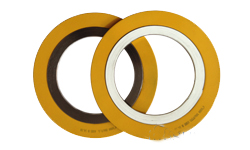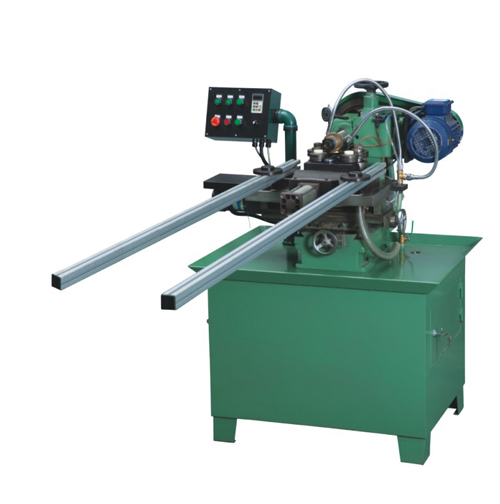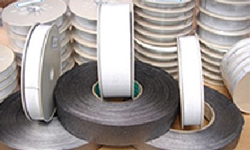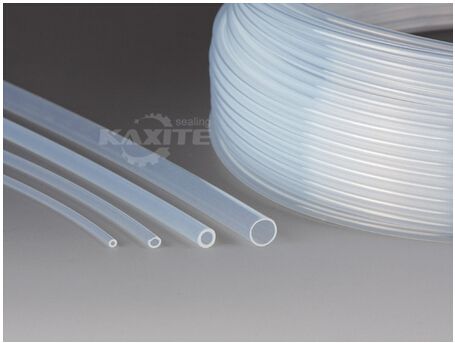
At Kaxite, we engineer our PTFE Parts to meet the most demanding industrial standards. Our product range is characterized by its exceptional purity, consistency, and performance under extreme conditions. Below is a detailed breakdown of the core specifications that define the quality of our PTFE components.
We offer various grades of PTFE to suit specific application needs:
| Property | Test Method | Typical Value (Virgin PTFE) | Benefits for Your Application |
|---|---|---|---|
| Density | ASTM D792 | 2.15 - 2.20 g/cm³ | Lightweight components reduce system weight. |
| Melting Point | ASTM D4591 | 327 °C (621 °F) | Retains shape and function in high-temperature environments. |
| Continuous Service Temperature | - | -200 °C to +260 °C (-328 °F to +500 °F) | Unmatched operational range from cryogenics to high heat. |
| Coefficient of Friction | ASTM D1894 | 0.05 - 0.10 (Dynamic, against steel) | Provides self-lubrication, reduces energy consumption and wear. |
| Tensile Strength | ASTM D638 | 25 - 35 MPa (3625 - 5075 psi) | Ensures mechanical integrity under load. |
| Elongation at Break | ASTM D638 | 300 - 500% | High ductility prevents brittle fracture. |
| Dielectric Strength | ASTM D149 | 19.7 kV/mm (500 V/mil) | Excellent electrical insulator for electrical and electronic uses. | Chemical Resistance | - | Resistant to virtually all industrial chemicals and solvents. | Ideal for seals, gaskets, and liners in aggressive fluid handling. |
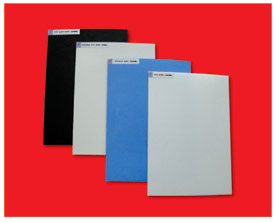
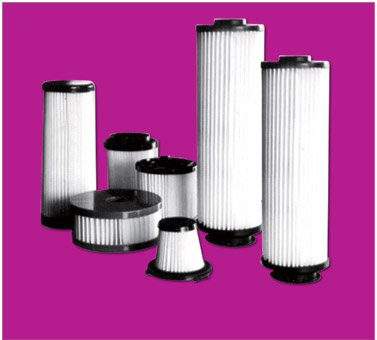
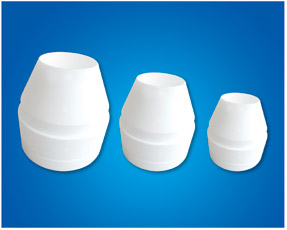
Kaxite PTFE is available in multiple forms to support diverse manufacturing and maintenance needs:
Our standard machining tolerances adhere to industry best practices, with typical capabilities as follows:
| Dimension Range | Standard Tolerance (±) | Precision Tolerance (±)* |
|---|---|---|
| 0.5mm - 6mm | 0.1mm | 0.05mm |
| 6mm - 30mm | 0.15mm | 0.075mm |
| 30mm - 120mm | 0.25mm | 0.125mm |
| 120mm+ | 0.3% of dimension | 0.15% of dimension |
*Precision tolerances available upon request for critical applications.
What is the main advantage of using PTFE over other plastics?
The primary advantage of PTFE is its unique combination of properties unmatched by most polymers. It possesses the lowest coefficient of friction of any solid material, exceptional chemical inertness (resisting attack by virtually all chemicals), an extremely wide operating temperature range (-200°C to +260°C), and outstanding dielectric properties. This makes it a one-stop solution for applications involving friction, corrosion, extreme temperatures, or electrical insulation where other materials fail.
How do I choose between virgin PTFE and a filled grade (like glass or carbon-filled)?
The choice depends on your application's priority. Use virgin PTFE when you need maximum chemical resistance, purity, or electrical insulation. Opt for filled grades when mechanical performance is key. Glass-filled PTFE improves wear resistance and creep resistance. Carbon or graphite-filled grades offer better wear resistance, lower friction, and added conductivity. Bronze-filled PTFE provides superior thermal conductivity and higher load-bearing capacity. Kaxite engineers can help you select the optimal grade.
Can Kaxite PTFE parts be used for food processing or medical applications?
Yes, specific grades of PTFE are compliant with relevant standards. For food contact, PTFE can comply with FDA regulations (21 CFR 177.1550). For medical applications, biocompatible grades that meet USP Class VI protocols are available. It is crucial to specify your regulatory requirements when ordering to ensure Kaxite supplies the appropriate certified material.
What are the limitations of PTFE that I should be aware of?
While exceptional, PTFE has some limitations. It has a relatively high coefficient of thermal expansion, meaning dimensions can change with temperature more than metals. It is subject to creep (cold flow) under sustained heavy loads. Its wear resistance in pure form is moderate but is significantly improved with fillers. Also, it cannot be melt-processed like conventional plastics, requiring sintering or machining.
How does the price of PTFE compare to other engineering plastics like PEEK or Nylon?
Virgin PTFE is generally more cost-effective than high-performance thermoplastics like PEEK but is typically more expensive than standard nylons (PA6, PA66). The value of PTFE lies in its unique property set. For applications requiring its specific combination of chemical inertness, high-temperature capability, and low friction, it often proves to be the most cost-effective solution over the product lifecycle due to reduced maintenance and downtime.
What finishing operations are available for machined PTFE parts from Kaxite?
Kaxite offers various finishing options to meet functional or aesthetic needs. These include deburring and edge-breaking for safety, surface grinding for precise flatness, skiving for thin tapes, and even special surface treatments in some cases to improve adhesion if bonding is required. Standard parts are typically supplied with a clean, machined finish suitable for immediate use.
What information should I provide when requesting a quote for custom PTFE parts?
To ensure an accurate and timely quote from Kaxite, please provide the following: A detailed drawing (PDF or CAD file) with all critical dimensions and tolerances clearly marked. Specify the required PTFE material grade (e.g., virgin, 15% glass-filled). State the application environment (temperature, chemicals, load, etc.). Provide the required quantity and any applicable industry standards or certifications (e.g., FDA, USP Class VI).