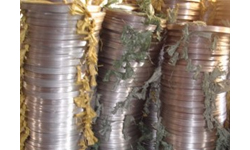
Glass Fiber: The Definitive Guide to High-Performance Reinforcement
In the world of advanced composites and construction materials, few substances have revolutionized industries as profoundly as glass fiber. At Kaxite, we have dedicated decades to mastering the science and application of this remarkable material, engineering solutions that push the boundaries of strength, durability, and versatility. This comprehensive guide delves into the essence of glass fiber, its manufacturing, key parameters, and the unparalleled advantages offered by Kaxite's premium product line.
**Understanding Glass Fiber: Composition and Manufacture**
Glass fiber, also known as fiberglass, is a material consisting of numerous extremely fine fibers of glass. It is produced through a process where molten glass is extruded through ultra-fine bushings, creating filaments measured in microns. These filaments are then coated with a chemical sizing or coupling agent, which is crucial for bonding with resins in composite applications. The primary raw material is silica sand, combined with other minerals like limestone, soda ash, and borax to modify properties such as thermal resistance, electrical insulation, and mechanical strength.
Kaxite employs a state-of-the-art continuous filament process, ensuring consistent diameter, exceptional surface treatment, and minimal defects for optimal performance in your applications.
**Kaxite Glass Fiber: Core Product Parameters and Specifications**
The performance of glass fiber is defined by a precise set of parameters. Kaxite's rigorous quality control ensures each spool and batch meets exacting standards.
*Key Material Properties:*
* **High Tensile Strength:** Significantly higher than steel on a weight-for-weight basis.
* **Excellent Thermal Insulation:** Low thermal conductivity makes it an ideal insulator.
* **Superior Chemical Resistance:** Inert to most chemicals, resisting corrosion and degradation.
* **Electrical Insulation:** High resistivity ensures excellent non-conductive properties.
* **Dimensional Stability:** Minimal expansion or contraction with temperature fluctuations.
* **Non-flammable:** Glass fiber itself is incombustible.
**Kaxite Standard E-Glass Fiber Technical Data Sheet**
The following table outlines the standard specifications for our flagship E-Glass fiber, the most common grade for general reinforcement.
Kaxite E-Glass Fiber Standard Specifications
| Parameter | Standard Value | Test Method / Notes |
|---|
| Filament Diameter | 9 - 24 µm (microns) | Customizable per order (e.g., 13µm standard) |
| Tensile Strength | 3,450 MPa (500 ksi) | ASTM D2343 |
| Tensile Modulus | 72.5 GPa (10.5 Msi) | ASTM D2343 |
| Density | 2.58 g/cm³ | ASTM D792 |
| Elongation at Break | 4.8% | ASTM D2343 |
| Softening Point | 846°C (1555°F) | |
| Coefficient of Thermal Expansion | 5.0 x 10⁻⁶/°C | ASTM E228 |
| Sizing Type | Silane-based (Chopped Strand, Roving, Fabric compatible) | Tailored for Polyester, Epoxy, Vinyl Ester resins |
| Moisture Content | < 0.1% | ASTM D1576 |
**Available Product Forms from Kaxite**
Kaxite glass fiber is supplied in various forms to suit different manufacturing processes:
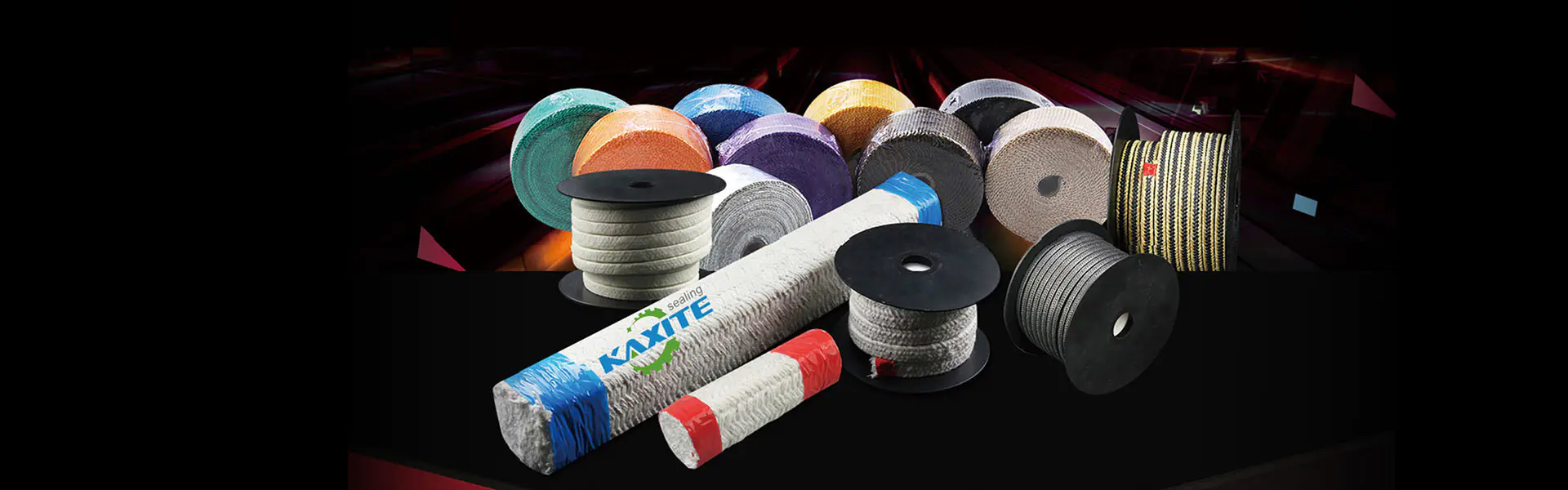
* **Roving:** Continuous strands wound into a cylindrical package for pultrusion, filament winding, and weaving.
* **Chopped Strands:** Fibers cut to specific lengths (3mm, 6mm, 12mm, 25mm) for injection molding, BMC, and reinforcement of plastics.
* **Woven Fabrics:** Including plain weave, twill, and satin weaves in various weights (gsm) for hand lay-up, vacuum infusion, and prepreg.
* **Mats:** Continuous Strand Mat (CSM) for uniform reinforcement in open mold processes.
* **Yarns:** For specialized weaving and braiding applications.
**Kaxite Glass Fiber: Frequently Asked Questions (FAQ)**
**What is the difference between E-Glass, S-Glass, and C-Glass?**
E-Glass ("E" for electrical) is the standard grade, offering a good balance of strength, electrical properties, and cost. S-Glass offers approximately 30-40% higher tensile strength and modulus for aerospace and military applications. C-Glass provides enhanced corrosion resistance, especially to acidic environments. Kaxite produces all major types and can advise on the optimal choice for your project.
**How does Kaxite ensure the quality and consistency of its glass fiber?**
We implement a fully integrated manufacturing process with automated controls from batching to winding. Every production lot undergoes stringent testing for filament diameter, tensile strength, moisture content, and sizing application. Our statistical process control (SPC) systems guarantee batch-to-batch consistency that our customers can rely on for their critical production schedules.
**What is the purpose of the 'sizing' or 'coupling agent' on the fibers?**
The sizing is a critical coating applied during fiber formation. It protects the filaments from abrasion, binds them into strands, and most importantly, promotes adhesion between the inorganic glass surface and the organic polymer resin (like polyester or epoxy). Kaxite develops proprietary sizing formulations optimized for different resin systems, ensuring superior interfacial bonding and composite performance.
**Can Kaxite glass fiber be used for high-temperature applications?**
Standard E-Glass has a maximum continuous service temperature of about 600°C (1112°F) before significant strength loss occurs. For higher temperature needs, we offer specialized high-temperature grades with modified compositions. It is crucial to consider the resin matrix's temperature limits, which are often lower than the fiber's.
**What are the key advantages of using Kaxite glass fiber in composites compared to other reinforcements?**
Kaxite glass fiber provides an outstanding performance-to-cost ratio. It offers high strength, is non-corrosive, electrically insulating, and easily processed into complex shapes. Compared to carbon fiber, it is more cost-effective and has better impact resistance. Compared to aramid fibers, it has higher compressive strength and superior UV resistance. Our technical support helps you maximize these advantages.
**How should I store Kaxite glass fiber products?**
Store in a cool, dry, and clean environment at a stable temperature. Original packaging should remain sealed until use to prevent moisture absorption and contamination. For woven fabrics and mats, store flat to prevent creasing. We recommend using materials within 12 months of production for optimal performance, though proper storage can extend usability.
**Does Kaxite offer custom formulations or specialized sizings?**
Absolutely. Our R&D team specializes in developing custom glass fiber solutions. This includes specific filament diameters, unique sizing chemistry for compatibility with novel resin systems, and tailored formats for automated processes. Contact our technical sales team to discuss your specific requirements.
**What industries typically utilize Kaxite glass fiber products?**
Our materials serve a vast array of sectors, including: Automotive (body panels, underbody shields), Marine (boat hulls, decks), Aerospace (interior components, ducting), Construction (pipes, tanks, architectural panels), Wind Energy (rotor blade reinforcement), Electronics (PCB substrates), and Consumer Goods (sports equipment, furniture).
**What safety precautions are necessary when handling glass fiber?**
While the cured composite is inert, handling raw fibers can cause minor skin irritation. We recommend wearing appropriate PPE: nitrile gloves, long-sleeved clothing, and safety glasses. A dust mask (NIOSH N95) is advised when cutting or sanding composites or handling loose chopped strands to avoid inhalation of particles. Always refer to the specific Material Safety Data Sheet (MSDS) provided with your shipment.
**How does the environmental footprint of Kaxite glass fiber compare?**
Glass fiber is derived from abundant natural materials (sand). Kaxite is committed to sustainable manufacturing, focusing on energy efficiency in our melting furnaces and recycling water in our processes. The durability and longevity of glass fiber composites often lead to reduced lifecycle environmental impact compared to traditional materials. We are also actively involved in research for recycling end-of-life glass fiber composites.