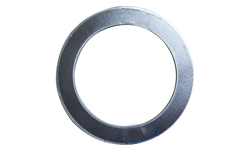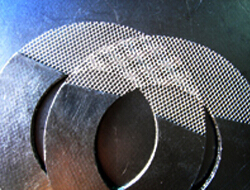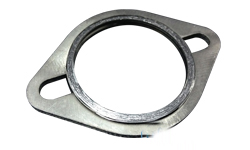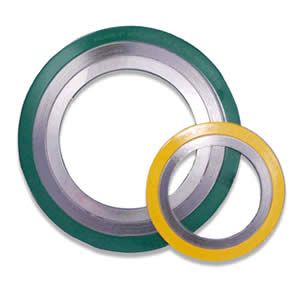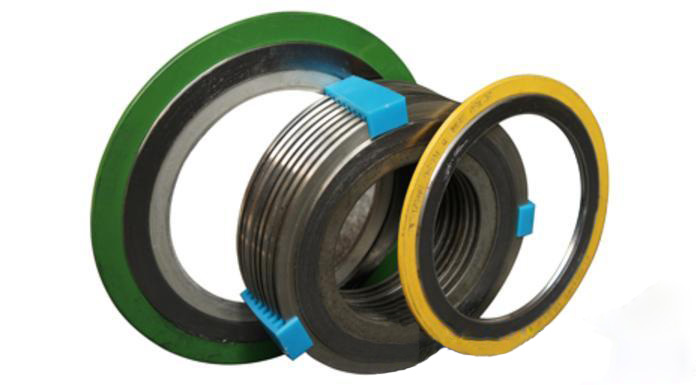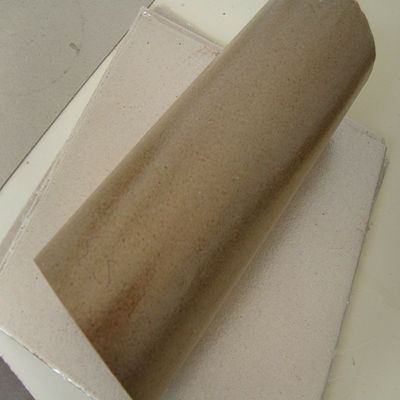
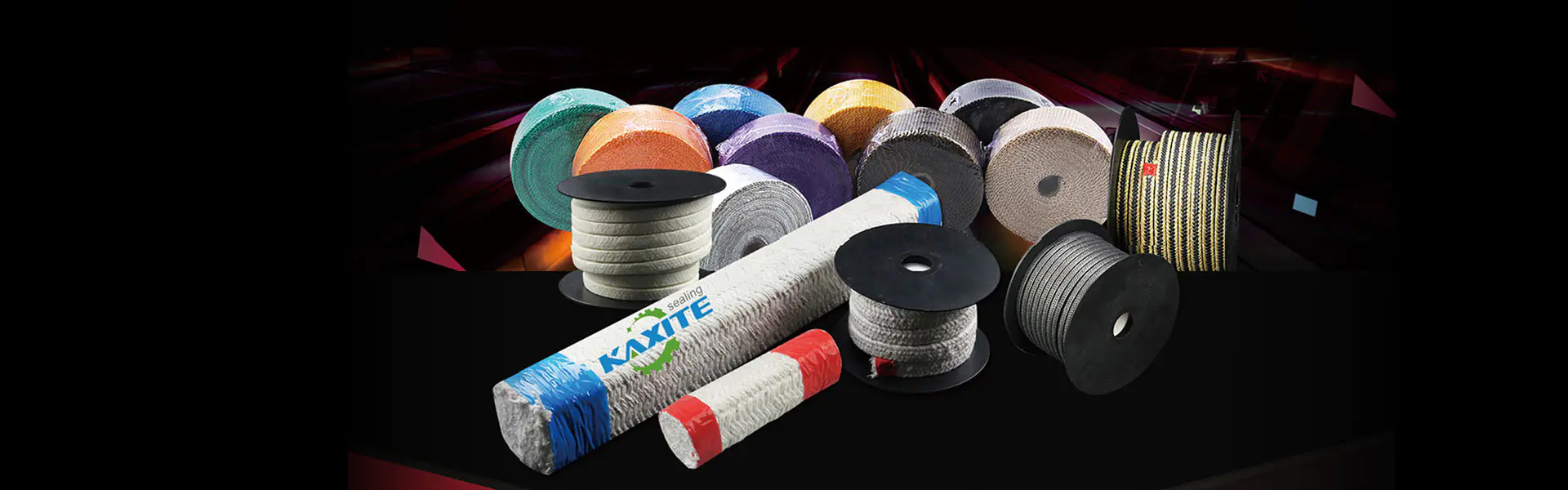
Expanded graphite gaskets are high-performance sealing components engineered for demanding industrial applications. They are manufactured from pure, exfoliated graphite that is compressed into sheets or coils without the use of binders. This unique structure provides exceptional resilience, thermal conductivity, and chemical resistance. These gaskets are the preferred choice for sealing flanges in systems handling extreme temperatures, aggressive chemicals, or where fire safety is a critical concern, offering superior sealing performance compared to many traditional gasket materials.
Kaxite has refined the production of expanded graphite gaskets to deliver unmatched reliability. Our products stand out in the market due to several inherent advantages:
Understanding the precise specifications is crucial for proper gasket selection. Below are the detailed technical parameters for standard Kaxite expanded graphite gasket material.
| Property | Test Standard | Typical Value / Range | Notes |
|---|---|---|---|
| Density | ASTM F 1315 | 70 - 120 lbs/ft³ (1.1 - 1.9 g/cm³) | Variable density sheets available for specific load requirements. |
| Temperature Range (Continuous) | ASTM D 1718 | -400°F to +3000°F (-240°C to +1650°C) in inert gas; Up to 900°F (482°C) in air | Upper limit in oxidizing atmospheres depends on service conditions. |
| Tensile Strength | ASTM F 152 | 1200 - 2200 psi (8.3 - 15.2 MPa) | Provides adequate handling strength for fabrication and installation. |
| Compressibility | ASTM F 36 | 40 - 60% | High compressibility ensures effective sealing on irregular surfaces. |
| Recovery | ASTM F 36 | 15 - 35% | Excellent recovery maintains seal during pressure and temperature fluctuations. |
| Creep Relaxation | ASTM F 38 | < 15% | Low creep helps sustain bolt load, critical for long-term sealing. |
| Thermal Conductivity | ASTM C 518 | 70 - 150 W/m·K (in-plane) | Superior conductivity compared to non-metallic gaskets. |
| pH Value | ASTM E 70 | 5 - 7 (neutral) | Chemically inert, will not promote galvanic corrosion. |
| Fire Safety Certification | API 607 / ISO 10497 | Compliant | Kaxite gaskets are tested and certified for fire-safe performance. |
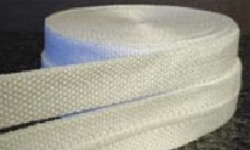
Kaxite expanded graphite gaskets are supplied in various forms to suit different installation and fabrication needs:
Q: What are the primary applications for expanded graphite gaskets?
A: Expanded graphite gaskets from Kaxite are extensively used across industries for sealing pipe flanges, heat exchangers, boiler manways, and valve bonnets. Key sectors include oil & gas (refining, pipelines), chemical & petrochemical processing, power generation (including nuclear), pharmaceutical, and food processing. They are ideal for services involving steam, hot oils, acids, caustics, hydrocarbons, and thermal fluids.
Q: How do expanded graphite gaskets perform in fire-safe scenarios?
A: They excel in fire-safe applications. Pure graphite does not burn or melt. In a fire, the graphite gasket maintains its structural integrity and continues to provide a seal, preventing the escalation of a fire through flange leakage. Kaxite gaskets are rigorously tested and certified to meet international fire-safe standards like API 607 and ISO 10497, making them a reliable choice for safety-critical systems.
Q: Can Kaxite graphite gaskets be used on all types of flange surfaces?
A: They are highly versatile. Their excellent compressibility allows them to seal effectively on a wide range of flange finishes, from smooth machined surfaces to serrated (phonographic) spiral grooves. They are particularly effective at sealing on less-than-ideal or slightly damaged flange faces where other gaskets might fail. However, for optimal performance and longevity, flanges should be within acceptable flatness and roughness parameters as defined by standards like ASME B16.5.
Q: What is the difference between expanded graphite and compressed non-asbestos (CNAF) gaskets?
A: While both are non-asbestos, they differ significantly. Expanded graphite is pure, binderless graphite offering superior temperature resistance (far exceeding CNAF), better chemical resistance to a broader range of media, higher thermal conductivity, and inherent fire safety. CNAF gaskets, made from fibers and rubber binders, have lower temperature limits (typically up to 400°F/204°C) and can degrade in certain chemicals. Kaxite graphite gaskets are the premium choice for more severe service conditions.
Q: How should expanded graphite gaskets be stored and handled?
A: Store Kaxite graphite gaskets in a cool, dry place away from direct sunlight and moisture. Keep them in their original packaging until ready for use to prevent contamination from dust or oils. While graphite is robust, handle sheets and pre-cut gaskets with care to avoid tearing. Use clean gloves to prevent transferring skin oils to the gasket surface, which could potentially affect performance in ultra-pure systems.
Q: Are there any media compatibility limitations?
A: Expanded graphite has outstanding chemical resistance but is not universally compatible. It is generally not recommended for use with strong oxidizing agents at high concentrations and elevated temperatures (e.g., fuming nitric acid, concentrated sulfuric acid above certain temperatures, and strong oxidizing salts). Always consult the Kaxite chemical compatibility guide or our engineering team for service-specific recommendations to ensure material suitability.
Q: What bolt load is required for installing a Kaxite expanded graphite gasket?
A: Due to their high compressibility and low sealing stress requirement, expanded graphite gaskets typically require lower bolt loads than many other gasket types to achieve an effective seal. This can reduce flange stress and bending. The specific required seating stress depends on the gasket density and thickness. Kaxite provides detailed technical data sheets with recommended seating stress values (y-stress) to guide proper installation according to ASME PCC-1 or EN 1591 guidelines.
Q: Can Kaxite supply custom-shaped or large-diameter graphite gaskets?
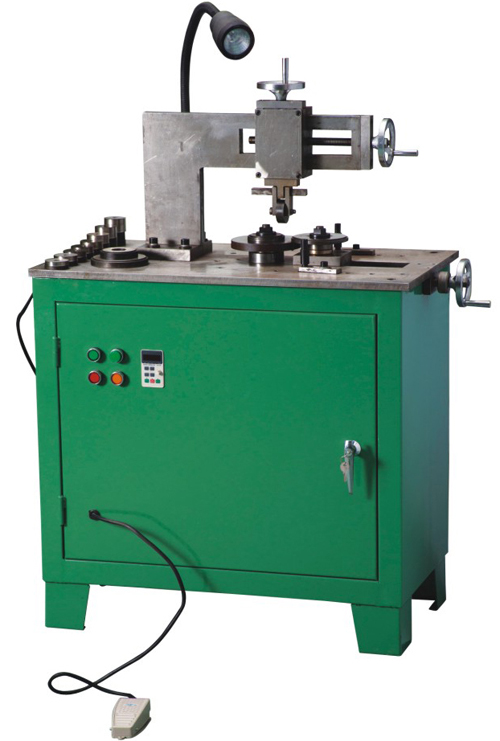
A> Yes. Kaxite specializes in manufacturing custom-expanded graphite gaskets beyond standard flange sizes. We can produce large-diameter gaskets for heat exchangers, reactors, and vessels, as well as complex non-standard shapes. We utilize precision CNC cutting and fabrication techniques to ensure dimensional accuracy and consistent quality for any custom requirement.