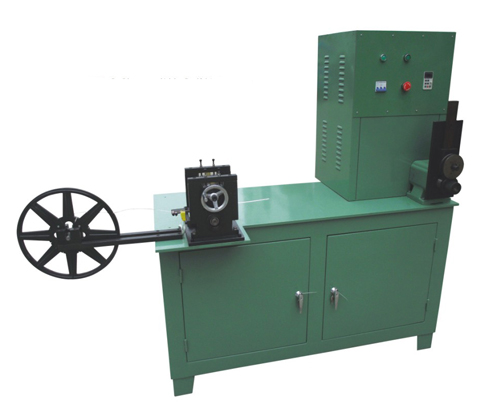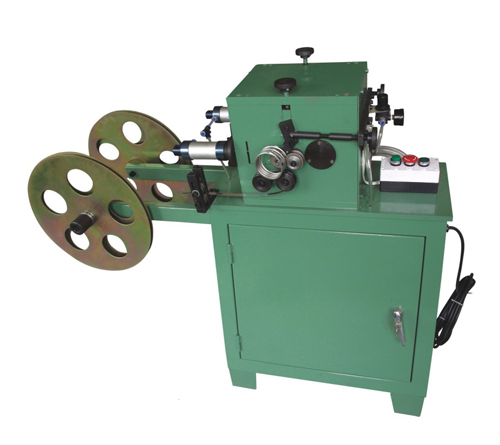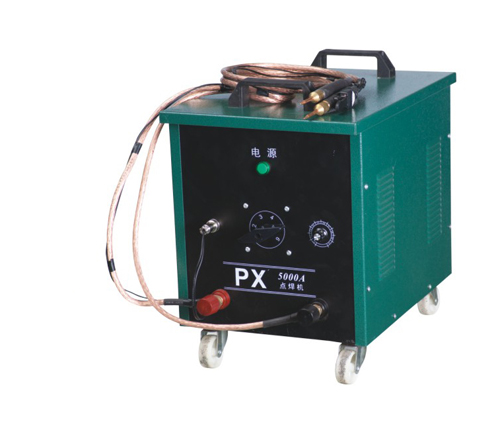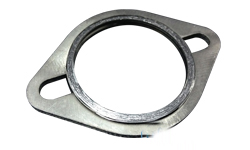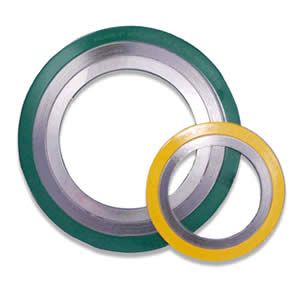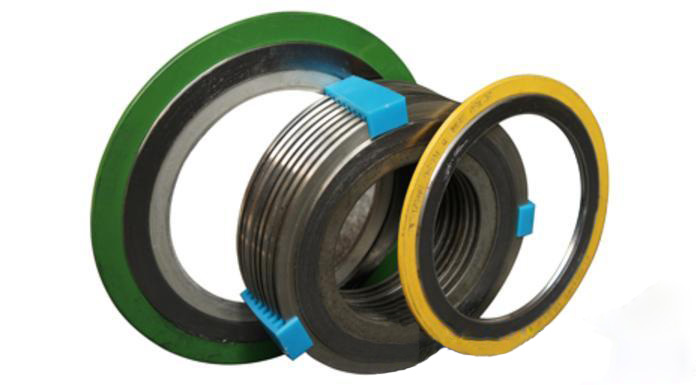
In industrial manufacturing, the production of high-quality cut gaskets is critical for ensuring leak-proof seals in countless applications, from automotive engines to complex piping systems in chemical plants. The precision, speed, and consistency of this production hinge entirely on the machinery used. Specialized Machines for Cut Gaskets are engineered to transform raw gasket materials—such as rubber, cork, fiber, and composite sheets—into perfectly formed seals with exacting tolerances. At Kaxite, we have dedicated decades to refining this technology, developing robust solutions that meet the rigorous demands of modern industry. This guide delves into the core functionalities, technical specifications, and operational advantages of modern gasket cutting machines, highlighting how Kaxite's engineering excellence sets a new benchmark for performance and durability.
Today's gasket cutting machines leverage several advanced technologies to achieve superior results. The choice of technology often depends on the material, production volume, and required precision.
Selecting the right machine requires a detailed understanding of its specifications. Below is a breakdown of the critical parameters that define a machine's capability.
| Model Series | Primary Technology | Max Cutting Force / Power | Max Work Area (W x L) | Best For Material Types | Key Feature |
|---|---|---|---|---|---|
| Kaxite KC-H Series | Hydraulic Clicker Press | 30 - 100 Tons | 1300mm x 1000mm | Rubber, Cork, Fiber Sheets | High durability for 24/7 shift operation |
| Kaxite LaserPro G Series | Fiber CNC Laser | 1000W - 3000W | 1500mm x 3000mm | All non-metallic gasket materials, intricate designs | Near-zero tooling cost, perfect for prototypes |
| Kaxite RouterMax | CNC Oscillating Knife | 2.2 kW Spindle | 2000mm x 3000mm | Soft Foams, Sponge Rubber, Cork Sheets | Bevel cutting capability for sealing profiles |
| Kaxite WJ-A Series | Abrasive Waterjet | 50,000 PSI Pump | 2000mm x 4000mm | Thick Composites, PTFE, Multi-layer Materials | Cold cutting, no heat-affected zone |
What are the main advantages of using a CNC laser cutter for gaskets over a traditional die-clicker press?
CNC laser cutters offer exceptional flexibility and are ideal for low-to-medium volume production, prototypes, and complex designs. The key advantages include: no cost for physical dies, which saves money and time on design changes; ability to nest parts extremely closely to minimize material waste; and unparalleled precision for intricate geometries. Traditional die-clicker presses, however, are faster for repeating the same simple shape in very high volumes once the initial die is created. The choice depends on your production mix and volume.
How do I determine the right cutting force (tonnage) for a hydraulic press for my gasket material?
The required tonnage depends on the material's hardness, thickness, and the total area of the cutting die's perimeter. A general rule is that harder and thicker materials require more force. For example, cutting a 3mm thick dense rubber may require significantly more force than a 5mm thick cork sheet. Kaxite's engineering team can perform precise calculations based on your specific material data and die designs to recommend the optimal press tonnage, ensuring clean cuts without over-specifying the machine.
Can one machine handle all different types of gasket materials?
While some versatile machines like high-power CNC lasers can process a very wide range of non-metallic materials, there is rarely a single "universal" machine optimal for all. A machine perfect for cutting soft sponge rubber may struggle with dense aramid fiber, and vice versa. It's crucial to match the machine's technology to your primary material portfolio. For facilities working with highly varied materials, a combination of technologies—such as a laser cutter for composites and a clicker press for rubber—might be the most efficient solution.
What are the most important maintenance routines for a gasket cutting machine to ensure longevity?
Regular preventive maintenance is non-negotiable for peak performance. For hydraulic presses, this includes checking and changing hydraulic fluid, inspecting seals and hoses, and ensuring proper lubrication of moving parts. For CNC laser cutters, daily cleaning of lenses and mirrors, checking gas supplies, and calibrating the beam path are essential. CNC routers require regular bit/knee replacement and lubrication of guide rails. Kaxite provides detailed, model-specific maintenance checklists and schedules with every machine, along with readily available spare parts and remote support.
How does Kaxite ensure precision and repeatability in its machines?
Kaxite machines are built with a foundation of robust mechanical construction using high-grade, stress-relieved steel frames to minimize vibration and thermal distortion. We integrate precision linear guideways and high-accuracy ball screws or rack-and-pinion drives for movement. Our proprietary CNC control system features advanced motion control algorithms and closed-loop feedback systems that constantly monitor and correct the position, ensuring cutting accuracy within ±0.05mm. Regular calibration protocols are part of the standard software package.
What software is used to operate these machines, and what file formats are supported?
Kaxite machines are powered by our user-friendly, in-house developed CNC software that runs on an industrial PC. The software supports all standard vector file formats such as DXF, DWG, AI, and PDF. It includes powerful features like automatic nesting to optimize material yield, job queue management, and cut path simulation. Training is provided to ensure your operators can seamlessly transition from design to production.
Beyond the core specifications, integrating a gasket cutting machine into your workflow involves considering factors like automation, material handling, and dust/fume extraction. Kaxite offers a range of optional automation features, such as automatic sheet loaders and unloaders for laser systems, or roll-feed systems for clicker presses, which drastically reduce labor and increase uptime. For laser and router cutting, integrated extraction systems are vital for maintaining a clean work environment and protecting the machine's optics. Investing in the right ancillary equipment is as important as selecting the primary machine to create a truly optimized, high-productivity cell for cut gasket manufacturing.