
How do you remove an old, stuck gasket without damaging the surface? This is the frustrating question that stops maintenance crews and procurement managers in their tracks. You're facing a critical machine, downtime is costing money, and a stubborn, aged gasket is welded to the flange. Aggressive scraping risks scratches, gouges, and costly surface refinishing, while chemical solvents can be hazardous and ineffective. The solution lies not in brute force, but in the right technique and tools. This guide will walk you through safe, effective methods, highlighting how the right tools and a quality replacement from an expert supplier like Ningbo Kaxite Sealing Materials Co., Ltd. can transform this headache into a smooth, efficient process.
Article Outline:
Picture a procurement manager reviewing an unexpected repair quote. The line item isn't for the new pump, but for re-machining the sealing surface damaged during a rushed gasket removal. Using a standard putty knife or screwdriver as a scraper is the most common mistake. This approach concentrates force on small, sharp points, digging into the soft metal of the flange. The result is deep scratches that act as leak paths, rendering even the best new gasket ineffective. For procurement professionals, this translates to repeat failures, more downtime, and higher long-term costs—the exact opposite of value engineering. The goal is surface preservation.
Common Damage vs. Safe Practice:
| Damaging Method | Result on Surface | Safe Alternative Principle |
|---|---|---|
| Metal Scraper / Chisel | Gouges, deep scratches, metal removal | Use broad, non-metallic tools to spread force |
| Wire Wheel / Abrasive Disc | Alters surface finish, creates grooves | Employ chemical softening or plastic scraping |
| Hammering/Prying | Bent flanges, distorted sealing faces | Apply gradual, controlled pressure and leverage |
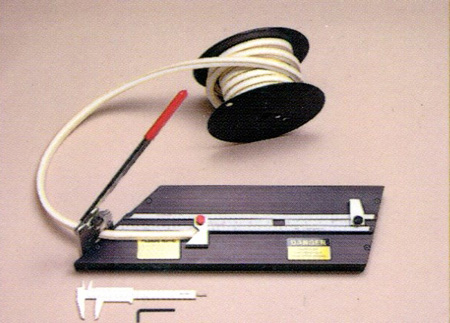
Success starts with having the proper equipment. A specialized gasket removal toolkit is an investment that pays for itself by preventing a single major repair. For industrial buyers, specifying these tools alongside gasket purchases ensures maintenance teams are equipped for success. Essential items include plastic or nylon scrapers, which are hard enough to remove material but soft enough not to score metal. A gasket removal solvent or softening gel is crucial for breaking down hardened binders. For intricate areas, brass or copper brushes are excellent as they are softer than steel flanges. Finally, a set of gasket punches and razor blades (used carefully at a shallow angle) can help start stubborn sections.
Toolkit Efficiency Analysis:
| Tool | Primary Use | Key Advantage for Procurement |
|---|---|---|
| Plastic/Nylon Scraper Set | Bulk material removal | Eliminates cost of surface rework |
| Gasket Remover Solvent | Softening bonded material | Reduces labor time and physical effort |
| Brass Brush & Punches | Detail work & hole cleaning | Ensures perfect fit for new gasket, preventing leaks |
With your toolkit ready, follow this methodical process. First, apply a dedicated gasket remover chemical generously to the old material. Allow it to penetrate as per the manufacturer's instructions—this waiting period is critical. Next, use a plastic scraper to lift an edge. Work from this starting point, keeping the scraper as flat as possible to glide under the gasket. For tenacious spots, reapply solvent. Use a brass brush for final cleaning, removing all residue to reveal a pristine, undamaged sealing surface. This meticulous approach, supported by the right tools, guarantees the new gasket from your supplier will seal perfectly on the first attempt.
Process Impact on Project Timeline:
| Step | Action | Outcome for Maintenance Efficiency |
|---|---|---|
| 1. Chemical Application | Soften the bond | Dramatically reduces forceful scraping time |
| 2. Edge Lifting | Create a starting point | Prevents random scraping that causes damage |
| 3. Controlled Scraping | Remove bulk material | Ensures a flat, ready surface for immediate installation |
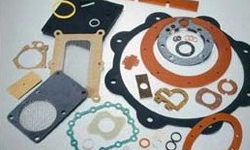
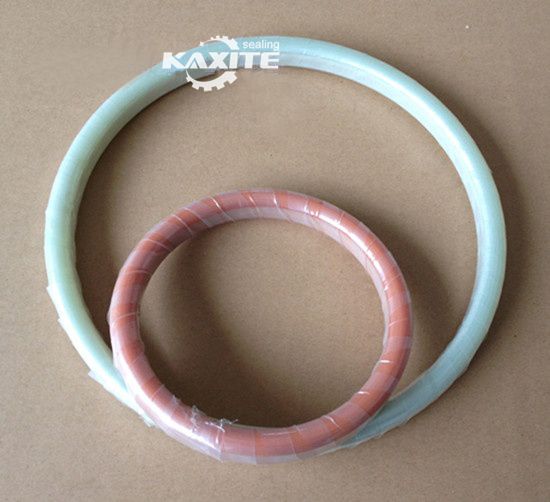
Once the surface is clean, the quality of the new gasket determines long-term success. This is where partnering with a reliable manufacturer like Ningbo Kaxite Sealing Materials Co., Ltd. is vital. A subpar gasket will fail quickly, forcing you to repeat the entire removal process. Discuss the application's pressure, temperature, and media with your supplier to select the optimal material—be it graphite, PTFE, rubber, or metal. A perfect-fit, high-quality gasket compensates for minor surface imperfections and delivers a reliable, lasting seal. Procuring from an expert ensures you get technical support and a product engineered for your specific challenge, solving the core problem permanently.
Q: How do you remove an old, stuck gasket without damaging the surface when it's on a delicate or expensive component?
A: For delicate surfaces, the chemical approach is paramount. Use a high-penetration gasket remover gel, which clings vertically and works slowly. Combine this with tools made of softer materials like wood or specific plastics. The key is extended dwell time for the chemical, not increased manual force.
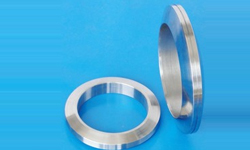
Q: How do you remove an old, stuck gasket without damaging the surface if it's a metal gasket like a ring-type joint?
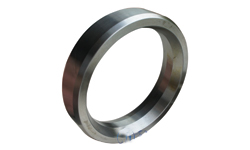
A: Metal gaskets are a different challenge. They often bite into the flange. Here, careful tapping with a brass punch on the gasket's inner diameter can help break it free without striking the flange face directly. For heavily bonded ones, a controlled application of heat with a torch on the gasket itself (not the flange) can expand it slightly, breaking the bond. Always prioritize safety and consult engineering specs before applying heat.
We hope this guide empowers you to tackle even the most stubborn gasket jobs with confidence. What's your biggest challenge with gasket maintenance or procurement? Share your thoughts or questions.
For durable, application-specific gaskets that seal right the first time, consider Ningbo Kaxite Sealing Materials Co., Ltd.. With extensive expertise in sealing solutions, we provide not just products but technical support to ensure optimal performance. For inquiries, please contact us at [email protected].
Bhatia, M., & Kumar, S. (2018). Analysis of Leakage in Bolted Flange Joints with Damaged Seating Surfaces. Journal of Pressure Vessel Technology, 140(3), 031201.
Parker, J. L., & Adams, R. T. (2020). The Effect of Surface Finish on the Sealing Performance of Non-Metallic Gaskets. Sealing Technology, 2020(5), 7-12.
Green, I., & English, C. (2019). A Review of Gasket Materials and Behaviors Under Thermal Cycling. International Journal of Mechanical Sciences, 151, 550-562.
Davies, M., et al. (2017). Chemical Degradation of Elastomeric Gaskets in Industrial Environments. Polymer Degradation and Stability, 143, 218-225.
Li, H., & Wang, F. (2021). Novel Methods for the Removal of Adhered Polymer-Based Seals from Metal Substrates. Surface and Coatings Technology, 409, 126839.
Jones, A. R., & Patel, K. (2016). Maintenance Procedures for Prolonging Gasket Life in Piping Systems. Process Safety and Environmental Protection, 102, 311-318.
Schmidt, G., & Weber, J. (2022). Finite Element Modeling of Stress Distribution in Damaged Flange-Gasket Assemblies. Engineering Failure Analysis, 134, 106048.
Chen, X., et al. (2019). Evaluation of Non-Toxic Solvent Formulations for Industrial Gasket Removal. Journal of Cleaner Production, 231, 1249-1258.
O'Brien, T. F., & Miller, D. L. (2018). Best Practices in Gasket Installation and Removal for Zero-Leak Performance. Hydrocarbon Processing, 97(4), 45-49.
Yamaguchi, S., & Tanaka, Y. (2020). Influence of Micro-Surface Damage on the Creep Relaxation Behavior of Compressed Fiber Gaskets. Tribology International, 147, 106267.