The Ultimate Guide to High-Performance Graphite PTFE Packing
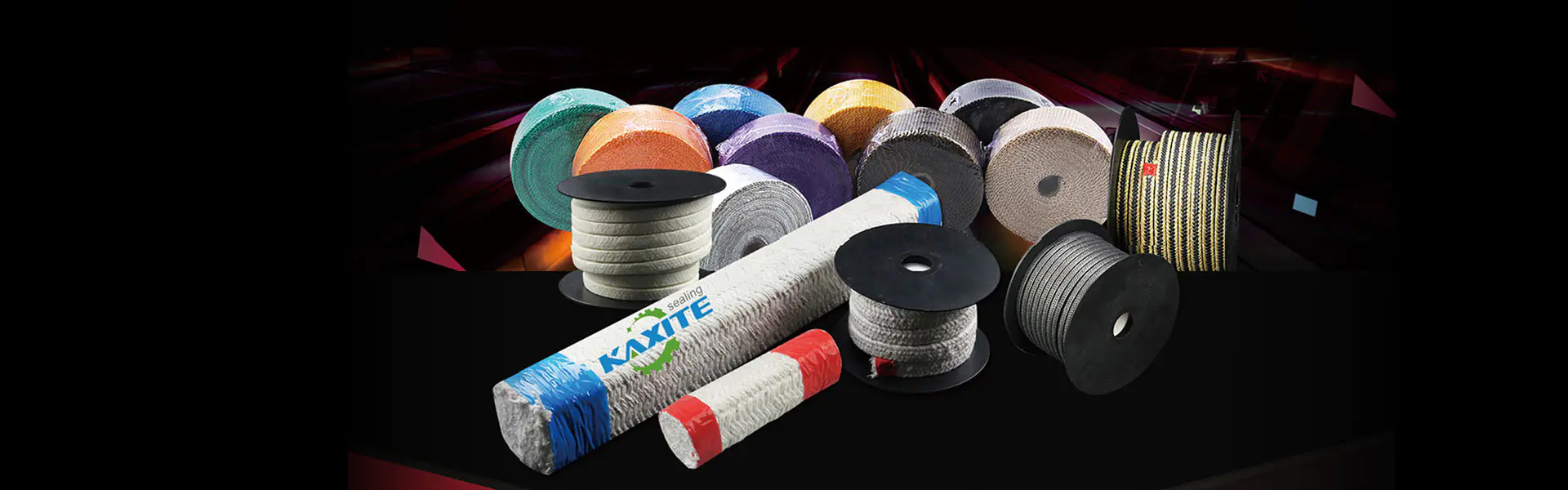
In the demanding world of industrial sealing, where extreme temperatures, aggressive media, and stringent reliability requirements are the norm, finding a packing solution that delivers consistent, leak-free performance is paramount. For two decades, we've specialized in engineering sealing solutions that stand up to the toughest challenges, and our flagship Graphite PTFE Packing represents the pinnacle of this expertise. Combining the unique properties of expanded graphite and PTFE (Polytetrafluoroethylene), this advanced material sets a new standard for durability, chemical resistance, and thermal stability in valve stem, pump, and rotary equipment sealing. At Kaxite, we don't just manufacture packing; we provide proven, long-term reliability for critical applications across energy, chemical processing, pharmaceutical, and power generation industries.
Unmatched Material Composition & Superior Advantages
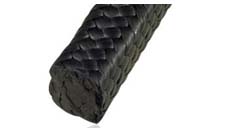
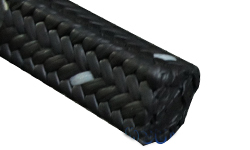
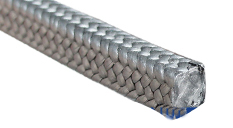
Kaxite's Graphite PTFE Packing is a sophisticated composite engineered for synergy. The core structure consists of high-purity, exfoliated graphite filaments reinforced and bound by a PTFE matrix. This isn't a simple blend; it's a carefully calibrated fusion where each material compensates for the other's limitations, creating a whole greater than the sum of its parts.
- Exceptional Thermal Conductivity & Stability: The graphite component rapidly dissipates frictional heat away from the shaft or stem, preventing localized hot spots, gland overheating, and premature degradation. This allows for stable operation from cryogenic temperatures up to +600°F (+315°C) in oxidizing atmospheres and even higher in non-oxidizing environments.
- Universal Chemical Inertia: The PTFE matrix provides near-total resistance to a vast array of corrosive chemicals, solvents, acids, and bases. This makes our packing ideal for handling everything from concentrated sulfuric acid to caustic potash and volatile organic compounds.
- Self-Lubricating & Low Friction: Both graphite and PTFE possess inherent lubricity. This significantly reduces breakaway and running torque on valves and pumps, leading to easier operation, lower energy consumption, and minimal shaft wear.
- Conformability & Excellent Sealability: The flexible, pliable nature of the expanded graphite conforms perfectly to minor shaft imperfections and gland wear, ensuring a tight seal even under low gland load. The PTFE provides structural integrity and creep resistance to maintain this seal over time.
- Long Service Life & Reduced Maintenance: The combination of heat dissipation, chemical resistance, and minimal wear translates directly into extended service intervals, reduced downtime for adjustment or repacking, and significantly lower total cost of ownership.
Detailed Product Specifications & Technical Data
To ensure optimal selection and performance, it is crucial to match the packing to your specific service conditions. Below are the detailed technical specifications for the standard Kaxite Graphite PTFE Packing. For custom formulations or extreme conditions, please consult our engineering team.
| Parameter | Specification / Value | Remarks / Standard |
|---|---|---|
| Material Composition | Expanded Graphite Filaments, PTFE Binder & Impregnation | High-purity, exfoliated graphite |
| Temperature Range | -450°F to +600°F (-268°C to +315°C) | In air/oxidizing service. Up to +1200°F (+650°C) in non-oxidizing. |
| pH Range | 0 - 14 | Suitable for virtually all acids, alkalis, and solvents. |
| Maximum Face Pressure (Seal Pressure) | 15,000 psi (1034 bar) | Dependent on gland design and load. |
| Shaft Speed | Up to 25 m/s (82 ft/s) | For rotary applications with adequate cooling. |
| Density | 1.6 - 2.0 g/cm³ | Consistent, homogeneous braid construction. |
| Thermal Conductivity | High (10 - 15 W/m·K in-plane) | Superior heat dissipation capability. |
| Formats Available | Spooled Cord, Die-Formed Rings, Coil Packing | Standard sizes and custom diameters available. |
| Standard Sizes (Square Section) | 1/8", 3/16", 1/4", 5/16", 3/8", 1/2", 5/8", 3/4" | Metric equivalents available upon request. |
| Compliance & Certifications | FDA CFR 21, USP Class VI, REACH, RoHS Compliant | Suitable for food, beverage, and pharmaceutical contact. |
Frequently Asked Questions (FAQ) About Graphite PTFE Packing
Q: What are the primary applications for Graphite PTFE Packing?
A: Kaxite's Graphite PTFE Packing is exceptionally versatile. Its most common applications include sealing valve stems in chemical processing plants, centrifugal and reciprocating pump shafts in refineries and power stations, agitator shafts in reactors and mixers, and expansion joints in high-temperature piping systems. It is particularly favored for services involving thermal cycling, where temperatures fluctuate widely, as the material remains flexible and stable.
Q: How does it compare to traditional braided asbestos or aramid fiber packings?
A: It offers significant improvements. Unlike asbestos (now largely obsolete) or aramid fibers (which can glaze and harden), Graphite PTFE Packing maintains consistent lubricity and sealability. It handles a broader temperature and chemical range without requiring elaborate break-in procedures. It also generates less friction, reducing power consumption and shaft wear compared to many traditional styles.
Q: Is this packing suitable for potable water or food-grade applications?
A: Absolutely. The Kaxite formulation uses components that comply with FDA regulations (CFR 21) and USP Class VI standards for repeated contact with food and pharmaceuticals. It is tasteless, odorless, and will not contaminate the medium, making it an excellent choice for pumps and valves in food, beverage, dairy, and pharmaceutical manufacturing.
Q: What is the correct installation procedure for this type of packing?
A: Proper installation is key to performance. Clean the stuffing box and shaft thoroughly. Rings should be cut cleanly on a mandrel, and each ring should be staggered so its joints are 90 degrees apart. Use a tamping tool to seat each ring firmly but without excessive force. Initial gland tightening should be just enough to prevent leakage at startup. After a short run-in period (typically 30 minutes of operation), re-tighten the gland slightly to compensate for initial compression and thermal settling. Avoid over-tightening, as the self-lubricating properties require minimal gland load.
Q: Can it be used in high-speed rotary equipment like mixers or agitators?
A: Yes, it is well-suited for high-speed rotary service up to 25 m/s, provided the system allows for adequate heat dissipation, often through a cooling flush. Its excellent thermal conductivity moves frictional heat away from the shaft interface rapidly, preventing packing burnout. For the most demanding high-speed/high-temperature applications, consult Kaxite for a specific recommendation, which may include a modified density or a tailored flush plan.
Q: Does the packing contain any metals or materials that could cause galvanic corrosion?
A: No. The standard Kaxite Graphite PTFE Packing is 100% non-metallic. It consists solely of carbon (graphite) and fluorine/carbon (PTFE). This makes it completely immune to galvanic corrosion, which is a critical advantage when sealing stainless steel, alloy, or other metal shafts in corrosive environments.
Q: How do I determine the correct size and number of packing rings for my stuffing box?
A: The packing cross-section should match the radial clearance between the shaft and the stuffing box wall. Measure the shaft diameter (OD) and the stuffing box bore (ID). The difference, divided by 2, gives the correct packing cross-section. The number of rings is typically determined by stuffing box depth. A general rule is to use a number of rings where the total packed height is 1.5 times the shaft diameter. Our technical datasheets and engineering support can provide precise guidance for your specific equipment.
Q: What kind of maintenance should I expect after installation?
A: One of the major benefits of Kaxite's product is its low maintenance. After the initial run-in adjustment, it typically requires only periodic, minimal gland nut tightening—often just a fractional turn every few months—to maintain the seal. The packing exhibits excellent creep resistance and does not harden or become brittle, leading to very long intervals between repacking events.
Material Comparison & Selection Guidance
Choosing the right packing material is a critical decision. The following comparison highlights where Kaxite Graphite PTFE Packing stands against other common materials, aiding in the selection process.
| Packing Type | Max Temperature | Chemical Resistance | Lubricity / Friction | Best For | Key Limitation |
|---|---|---|---|---|---|
| Kaxite Graphite PTFE | Very High (+600°F/+315°C) | Exceptional (0-14 pH) | Excellent (Self-lubricating) | Extreme temps, wide chem range, steam, food grade | Not for molten alkali metals |
| Braided Aramid Fiber | Medium (+500°F/+260°C) | Good (except strong acids/oxidizers) | Fair (may require lubricant) | General purpose, water, mild chemicals | Can glaze at high temperature |
| Pure Expanded Graphite Foil | Extremely High (+1200°F/+650°C in non-ox.) | Good (oxidizes in air above 600°F) | Good (Self-lubricating) | High-temperature heat transfer fluids, hot oils | Requires careful handling, sensitive to shear |
| PTFE Impregnated Fiber (e.g., glass, carbon) | Medium (+500°F/+260°C) | Very Good | Good | Chemicals, acids, caustics | Lower thermal conductivity |