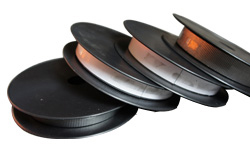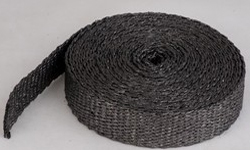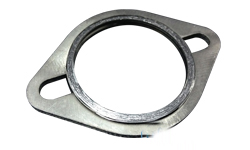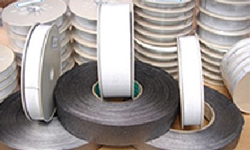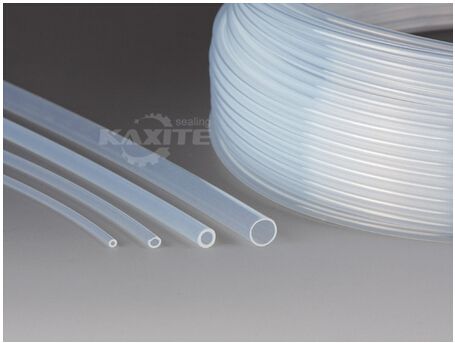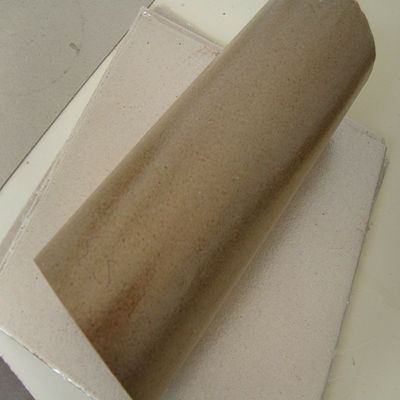

In the world of industrial sealing and insulation, precision and reliability are non-negotiable. Gasket tape is a pressure-sensitive adhesive tape specifically engineered to create a consistent, durable, and compressible seal between two mating surfaces. Unlike pre-cut gaskets, which require specific shapes and sizes, gasket tape offers unparalleled flexibility, allowing for on-site fabrication, repair of worn seals, and application on complex geometries. It is a fundamental component in preventing leaks, dampening vibrations, and protecting against environmental contaminants like dust, moisture, and chemicals. At Kaxite, we have refined the formulation and manufacturing of gasket tape to deliver a product that meets the rigorous demands of modern engineering and maintenance.
Kaxite Gasket Tape is designed with performance and user convenience in mind. Our commitment to quality ensures that each roll provides a solution you can trust for critical applications.
To select the right gasket tape for your project, understanding the precise technical parameters is essential. Below is a detailed breakdown of our core product series. All data is based on standard laboratory testing conditions.
| Product Series | Base Material | Thickness (mm) | Adhesive Type | Temperature Range | Tensile Strength (psi) | Compression Set (%) | Primary Applications |
|---|---|---|---|---|---|---|---|
| Kaxite GT-F100 (Foam) | Closed-Cell Polyethylene Foam | 1.0, 1.5, 2.0, 3.0 | Acrylic, High-Tack | -40°C to 90°C (-40°F to 194°F) | 45 | < 15 | General sealing, HVAC ducts, panel gaps, dust/weather proofing |
| Kaxite GT-R200 (Rubber) | EPDM Rubber Foam | 1.5, 2.0, 3.0, 5.0 | Rubber-Based, Aggressive | -50°C to 125°C (-58°F to 257°F) | 60 | < 20 | Automotive weather-stripping, outdoor enclosures, marine applications |
| Kaxite GT-S300 (Silicone) | Silicone Sponge | 0.8, 1.6, 3.2 | Silicone Pressure-Sensitive | -60°C to 200°C (-76°F to 392°F) | 35 | < 10 | High-temperature gasketing, electrical enclosures, lighting, food-grade equipment* |
| Kaxite GT-U400 (Urethane) | Polyurethane Foam | 2.0, 4.0, 6.0 | Acrylic, High Shear | -30°C to 80°C (-22°F to 176°F) | 85 | < 25 | Heavy-duty vibration damping, machinery mounts, impact absorption |
*Kaxite GT-S300 series is available in FDA-compliant grades for incidental food contact. Please consult our data sheets for specific certifications.
Selecting and installing the correct gasket tape is straightforward with the right knowledge. Follow this guide to ensure optimal performance.
Q: What surfaces is Kaxite gasket tape suitable for?
A: Kaxite gasket tape is designed for use on a wide array of surfaces, including most metals (aluminum, steel, stainless steel), plastics (ABS, PVC, polycarbonate), painted surfaces, powder coatings, glass, and composites. Surface preparation—ensuring it is clean, dry, and grease-free—is critical for achieving a permanent bond. We recommend testing on a small, inconspicuous area for unusual or low-surface-energy plastics.
Q: How does gasket tape compare to liquid gaskets or pre-formed rubber gaskets?
A: Gasket tape offers distinct advantages. Unlike liquid gaskets (RTV silicones), it requires no curing time, creates no mess, and allows for easy disassembly and cleanup. Compared to pre-formed, die-cut gaskets, tape provides immense flexibility for custom shapes, on-the-spot repairs, and inventory reduction, as one roll can serve multiple sealing needs. It often provides more consistent seal thickness and compression.
Q: Can gasket tape be used for outdoor and automotive applications?
A: Absolutely. Specific series like our Kaxite GT-R200 (EPDM) and GT-S300 (Silicone) are engineered for harsh environments. They provide excellent resistance to UV radiation, ozone, rain, snow, temperature cycling, and automotive fluids (oil, coolant). They are commonly used for sealing door and trunk seals, headlight assemblies, RV and marine hatches, and outdoor electrical cabinets.
Q: What is the shelf life of Kaxite gasket tape, and how should it be stored?
A: When stored in its original packaging in a cool, dry place away from direct sunlight, heat sources, and humidity, Kaxite gasket tape has a standard shelf life of 24 months from the date of manufacture. Ideal storage temperature is between 10°C and 25°C (50°F and 77°F). Do not store heavy objects on top of the rolls.
Q: How do I remove old or incorrectly applied gasket tape?
A: Carefully peel the tape back on itself at a low angle. For stubborn adhesive residue, apply a dedicated adhesive remover or a mild solvent like isopropyl alcohol. Allow it to soften the residue, then gently scrape it off with a plastic putty knife to avoid damaging the substrate. Always follow solvent safety guidelines and test in an inconspicuous area first.
Q: Can Kaxite gasket tape withstand constant pressure or compression?
A: Yes, but the longevity depends on the specific series and the degree of compression. Our tapes are tested for compression set resistance. For permanent, high-load compression applications (e.g., a flange bolt under high torque), it's crucial to select a series with a low compression set percentage (like our GT-S300) and ensure the tape is not compressed beyond its recommended range (typically 25-40% of its thickness) to prevent permanent deformation.
Q: Are there any safety certifications for Kaxite products?
A: Yes. Many of our gasket tape products hold relevant industry certifications. Our silicone GT-S300 series includes grades compliant with FDA CFR 175.300 for indirect food contact, UL Recognized Components, and RoHS directives. Specific flame-retardant (UL 94) and smoke/toxicity ratings are available for certain product lines. Detailed certification documents are available upon request from Kaxite technical support.
Q: How do I calculate how much tape I need for a project?
A: Simply measure the total linear length of the sealing perimeter you need to cover. Add a small percentage (5-10%) for overlaps at corners and minor adjustments. Remember, the tape width should be chosen to fully cover the sealing surface. Our tapes are available in various widths (from 6mm to 50mm) and roll lengths (typically 10m to 33m) to suit different project scales.