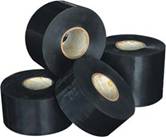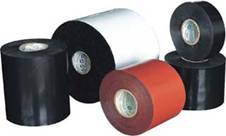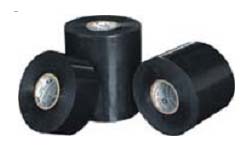
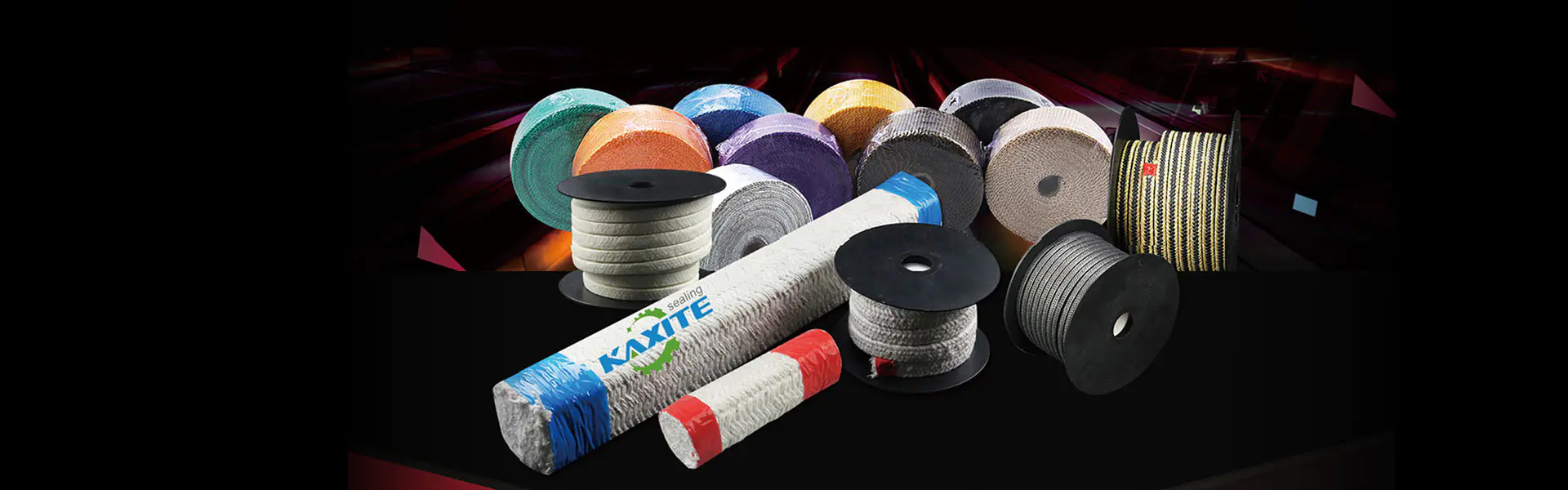
Anti-Corrosion Tape is a vital engineered material designed to provide long-term protection for metallic pipes, joints, fittings, and structures against corrosive elements. In industries such as oil & gas, marine, water treatment, and infrastructure, preventing corrosion is not just about maintenance; it's about ensuring safety, environmental compliance, and significant cost savings by extending asset lifespan. Kaxite, a leader in corrosion protection solutions, manufactures high-performance anti-corrosion tapes that meet and exceed rigorous international standards. Our products are formulated to withstand harsh chemical, atmospheric, and underground conditions, delivering reliable, durable protection.
Selecting the right corrosion protection is critical. Kaxite tapes are developed through extensive research, focusing on adhesive technology, film strength, and environmental resistance. Unlike generic products, Kaxite tapes offer:
Kaxite offers a range of anti-corrosion tapes tailored for specific applications and environmental conditions. Below are the detailed specifications for our flagship series.
Ideal for buried pipelines, tank bottoms, and fittings requiring maximum mechanical and corrosion protection.
Perfect for above-ground pipework, conduit protection, and general repair work where flexibility and cost-effectiveness are key.
| Parameter | Kaxite Series 100 (Heavy-Duty PE) | Kaxite Series 200 (General PVC) | Kaxite Series 300 (Heat-Shrink Sleeve Compatible) |
|---|---|---|---|
| Primary Application | Buried Pipelines, High-Stress Areas | Above-Ground Pipes, Conduits, Repairs | Pipeline Girth Welds, Field Joints |
| Backing Material | Cross-Laminated Polyethylene | Plasticized PVC | Radiation-Crosslinked Polyolefin |
| Adhesive | Butyl Rubber | Rubber Resin | Thermoplastic Hot-Melt |
| Key Strength | Mechanical Abuse & Soil Stress Resistance | Flexibility & Ease of Application | Compatibility with Heat-Shrink Systems, High Temp |
| Temp. Range (Operational) | -30°C to +80°C | -10°C to +70°C | -40°C to +125°C (peak) |
| Cathodic Disbondment Resistance | Excellent | Good | Superior |
| Standards Compliance | ISO 21809-3, EN 12068, DIN 30672 | BS 381C, ASTM D1000 | ISO 21809-3, CAN/CSA Z245.30 |
What is the primary function of Anti-Corrosion Tape?
The primary function is to create a permanent, impermeable barrier that shields metal surfaces from corrosive agents such as water, oxygen, salts, acids, and soil chemicals. It also provides electrical insulation to prevent electrochemical corrosion and offers mechanical protection against abrasion and impact.
How long does Kaxite Anti-Corrosion Tape last?
The service life depends on the product series, application quality, and environmental conditions. Kaxite Series 100 and 300 tapes are engineered for long-term protection, typically exceeding 30 years for buried pipelines when applied correctly according to our specifications. Series 200 offers durable protection for above-ground applications, often lasting 15-20 years.
Can I apply the tape over a rusty surface?
No. Surface preparation is crucial for achieving a long-lasting bond. All surfaces must be cleaned to a near-white metal standard (Sa 2.5) or commercial blast standard, free of rust, mill scale, dust, moisture, and contaminants. Applying tape over rust will trap the corrosion activity underneath, leading to premature failure.
What is the correct method for applying pipe wrapping tape?
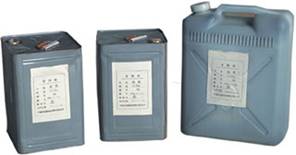
The standard method is a spiral wrap with a 55% overlap (approx. 25mm on a 50mm tape). Start with a primer if specified (for Kaxite Series 100/300). Apply the tape under consistent tension, ensuring it conforms tightly without air pockets or wrinkles. For joints and fittings, use a stretch-and-press technique or pre-cut shapes for complete coverage.
Is the tape resistant to Cathodic Disbondment?
Yes, Kaxite tapes are specifically formulated for excellent resistance to cathodic disbondment. This is a critical test where the adhesive's bond is evaluated under a cathodic protection potential. Our tapes undergo rigorous testing (e.g., ISO 21809-3) and show minimal disbondment radii, ensuring the protection system remains intact.
Can Kaxite tape be used for underwater applications?
Yes, Kaxite Series 100 and 300 are suitable for permanent underwater immersion. Their low water vapor transmission rate and stable adhesive ensure long-term integrity. Ensure the pipe surface is thoroughly dry before application for submerged service.
What is the difference between a "cold-applied" tape and a "heat-shrink" sleeve?
Kaxite cold-applied tapes (Series 100 & 200) are pressure-sensitive and applied at ambient temperature. Heat-shrink sleeves (used with Series 300 primer/tape systems) require heating with a torch to shrink and seal. Cold-applied tapes are generally faster for long runs and irregular shapes, while heat-shrink systems offer a robust, molded seal for critical girth welds.
Does the tape require an outer wrap or rock shield?
In rocky or backfill with sharp debris, an additional mechanical protection layer (like a Kaxite rock guard) is highly recommended over the anti-corrosion tape. This sacrificial layer absorbs impact and prevents gouging of the primary corrosion coating, extending its life.
How should I store Kaxite Anti-Corrosion Tape rolls?
Store in a cool, dry place away from direct sunlight, heat sources, and chemicals. Keep the rolls in their original packaging until use. Store them on their flat end, not on their side, to prevent deformation. Ideal storage temperature is between 10°C and 25°C.
Are Kaxite products compliant with international standards?
Absolutely. Kaxite products are manufactured under strict quality controls and are tested to comply with major international standards such as ISO 21809, EN 12068, DIN 30672, ASTM, and CSA. Certificates of Compliance and test reports are available upon request.