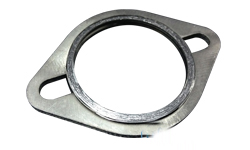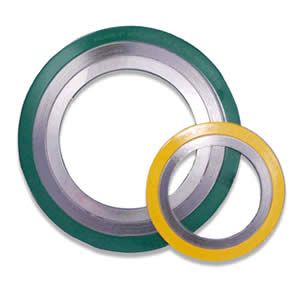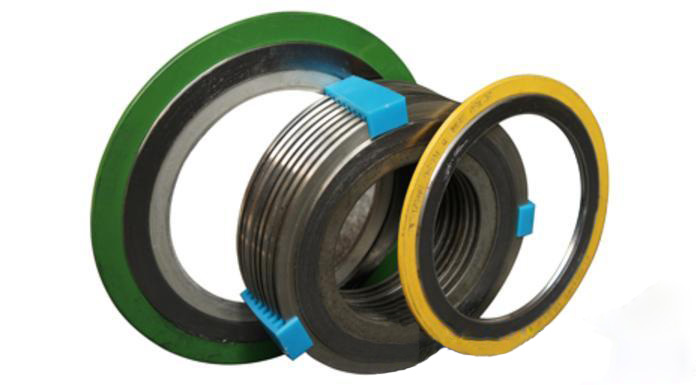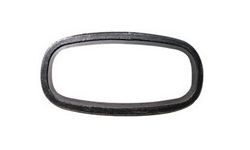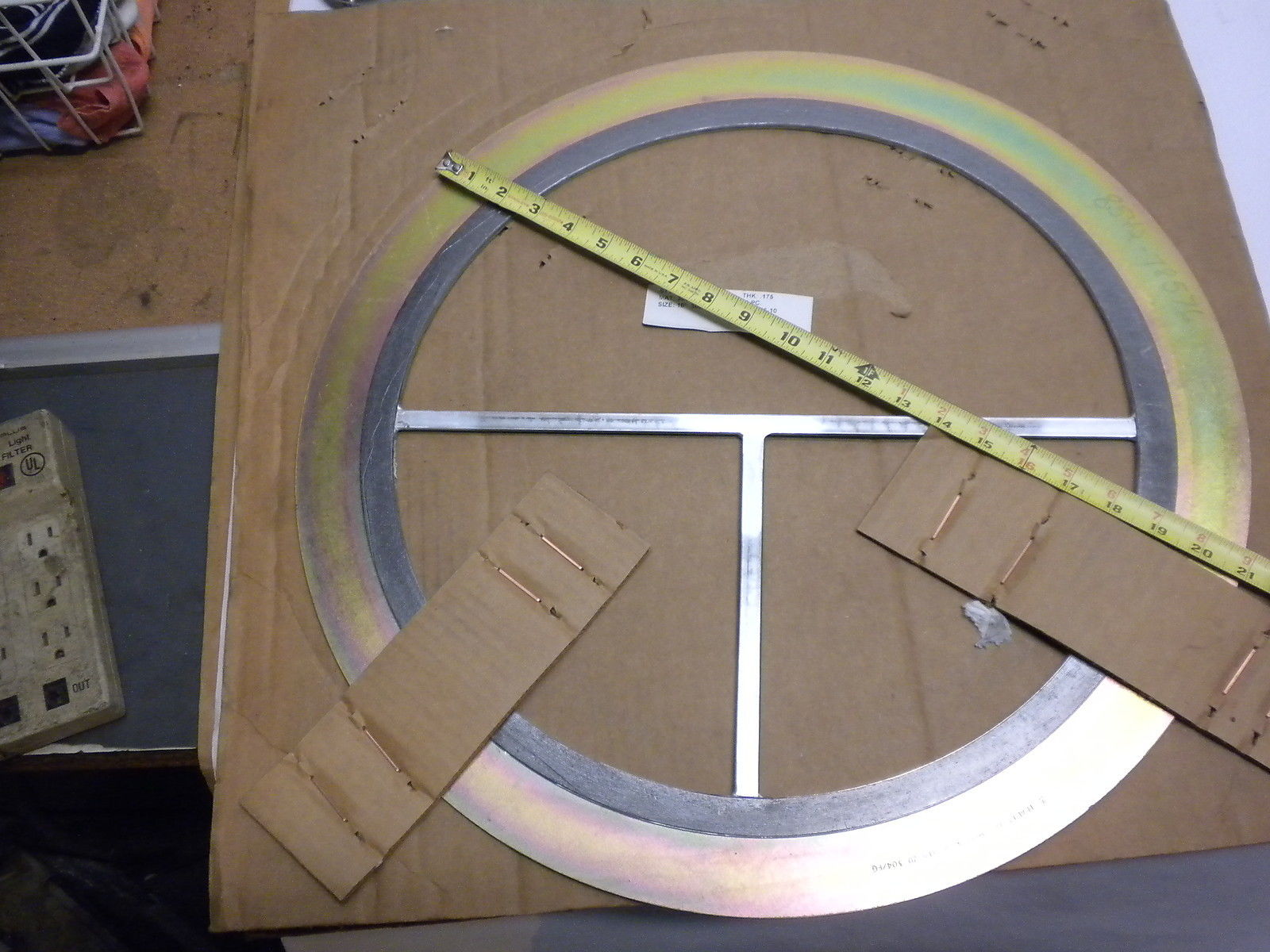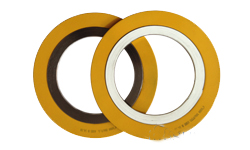
In the demanding world of industrial sealing, where pressure, temperature, and chemical resistance are paramount, the spiral wound gasket stands as a cornerstone of reliability. Engineered for critical service applications, these gaskets are the preferred choice for flanged connections in pipelines and pressure vessels across oil & gas, petrochemical, power generation, and refining industries. At their core, spiral wound gaskets are mechanically robust seals constructed by winding a pre-formed metal strip (the winding) and a soft filler material in a V-shaped spiral around a metal centering ring. This unique construction creates a resilient, spring-like structure that compensates for flange irregularities, bolt stress relaxation, and thermal cycling, ensuring a leak-tight seal under extreme operating conditions. As a leader in precision sealing solutions, Kaxite manufactures spiral wound gaskets to the highest international standards, ensuring performance, safety, and longevity for your most critical assets.
Choosing the right gasket is critical for plant safety and efficiency. Kaxite spiral wound gaskets offer a superior blend of characteristics that make them indispensable for high-integrity sealing.
Understanding the detailed construction and specifications is key to proper selection. Below are the critical parameters that define a Kaxite spiral wound gasket.
Kaxite spiral wound gaskets are available for a full range of flange standards.
| Flange Standard | Pressure Class (Nominal) | Standard Size Range (NPS) | Key Dimension (Controlled by) |
|---|---|---|---|
| ASME B16.5 / B16.47 Series A & B | 150, 300, 400, 600, 900, 1500, 2500 | 1/2" to 60" | Inside/Outside Diameter, Thickness |
| EN 1092-1 / DIN | PN 6, 10, 16, 25, 40, 64, 100 | DN 10 to DN 1200 | Inside/Outside Diameter, Thickness |
| API 605 / API 6A | API 2,000 psi; 3,000 psi; 5,000 psi; 10,000 psi; 15,000 psi; 20,000 psi | Varies by spec | Per API ring joint or flange specifications |
| Service Application | Recommended Metal Winding | Recommended Filler Material | Typical Temp. Limit | Key Benefit |
|---|---|---|---|---|
| General Hydrocarbon, Steam | 304 Stainless Steel | Flexible Graphite | ~450°C / 850°F (in air) | Cost-effective, good all-round performance |
| Strong Acids (e.g., Sulfuric) | Alloy 20 | PTFE | ~260°C / 500°F | Superior acid corrosion resistance |
| High-Temp Steam, Fire-Safe | 316 Stainless Steel | Ceramic (Mica) | ~1000°C / 1832°F | Integrity in fire situations, no graphite oxidation |
| Seawater, HF Acid | Monel 400 | Flexible Graphite | ~540°C / 1000°F | Resists chloride stress corrosion cracking |
| Extreme Temp/Pressure (Furnace Headers) | Inconel 625 | Flexible Graphite | ~980°C / 1800°F (inert atm.) | High strength and oxidation resistance |
| Universal Chemical Resistance | 316 SS | PTFE | ~260°C / 500°F | Widest chemical compatibility (filler limited) |
Q: How do I correctly select a spiral wound gasket for my application?
A: Correct selection requires analyzing five key parameters: 1) Fluid Media: Identify all chemicals, their concentrations, and phases. 2) Operating Temperature: Both continuous and maximum excursion temperature. 3) Operating Pressure: Normal and maximum design pressure. 4) Flange Specifications: Standard (ASME, DIN, etc.), Pressure Class (150, 300, PN16, etc.), Flange Face Type (RF, FF, RTJ), Flange Material, and condition. 5) Special Requirements: Fire-safe certification (API 607/ISO 10497), low emission standards (EPA, TA-Luft), or thermal cycling. Consult Kaxite's technical data sheets and engineering team to match these conditions with the optimal metal/filler combination.
Q: What is the difference between a spiral wound gasket with and without an inner ring?
A: The inner ring (or inner centering ring) serves specific functions. Gaskets with an inner ring are recommended for: a) High-velocity flow or erosive services: The ring protects the vulnerable inner edge of the winding from direct impingement and erosion. b) Vacuum or high-cyclic services: It adds radial stability and prevents inward buckling of the winding. c) Certain standard specifications mandate its use. Gaskets without an inner ring are standard for most general applications, are more economical, and are required when radial space between bolts and the bore is limited. The inner ring material is typically matched to the metal winding.
Q: Can spiral wound gaskets be reused?
A: It is generally not recommended to reuse a spiral wound gasket. During initial installation, the gasket is compressed to achieve a proper seal. This compression causes permanent deformation (set) in the filler material and slightly alters the spring characteristics of the metal winding. Reusing a gasket may result in insufficient seating stress and a higher risk of leakage. For critical services, always install a new, certified Kaxite spiral wound gasket during any flange disassembly and reassembly.
Q: How do I identify the specifications of a spiral wound gasket?
A: A properly marked Kaxite gasket provides all necessary information. Look for the markings typically stamped or tagged on the outer ring, which should include: 1) Size & Pressure Class (e.g., "NPS 12 CLASS 300"), 2) Material Designation (e.g., "304/G" for 304 Stainless Steel windings with Graphite filler), 3) Manufacturer's Name or Trademark ("Kaxite"), 4) Heat/ Lot Number for traceability, and 5) the applicable Standard (e.g., "ASME B16.20"). Always verify these markings against your purchase order and design specifications before installation.
Q: What is the proper installation torque for a spiral wound gasket?
A: The correct bolt torque is crucial and is not a single universal value. It depends on the gasket size, pressure class, material, bolt size/grade, and flange type. The required torque is calculated to achieve a specific target bolt stress that provides adequate gasket seating stress (y-factor) and maintains the seal under operating pressure (m-factor). Always follow the torque procedure provided by the equipment manufacturer, a recognized standard like ASME PCC-1, or the specific installation guidelines provided by Kaxite. Use a calibrated torque wrench and follow a cross-pattern tightening sequence to ensure even gasket compression.
Q: Are Kaxite spiral wound gaskets suitable for fire-safe applications?
A: Yes, Kaxite manufactures spiral wound gaskets that meet stringent fire-safe testing standards such as API 607/ISO 10497. These gaskets are specifically designed with filler materials like ceramic (mica) that maintain their sealing integrity during and after exposure to extreme fire conditions. They do not rely on organic binders or materials like PTFE that would melt or graphite that could oxidize rapidly in a fire. When specifying for fire-safe duty, it is essential to explicitly state this requirement so that the appropriate, certified material combination (e.g., 316SS/Ceramic) is supplied.
Q: What are the storage and handling best practices for these gaskets?
A: To preserve gasket integrity before use: 1) Store in a clean, dry, temperature-controlled environment away from direct sunlight, moisture, and corrosive fumes. 2) Handle with care to avoid dropping, bending, or denting the gasket, especially the delicate winding. 3) Keep gaskets in their original protective packaging until ready for installation. 4) Inspect thoroughly before installation for any signs of damage, corrosion, or contamination. 5) Stack flat if multiple gaskets are stored together; do not hang them. Proper storage ensures the Kaxite gasket performs as designed when installed.