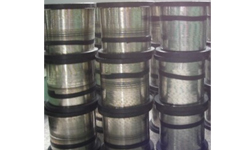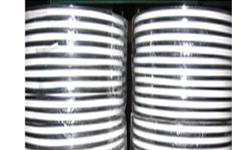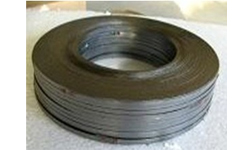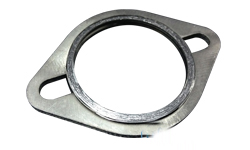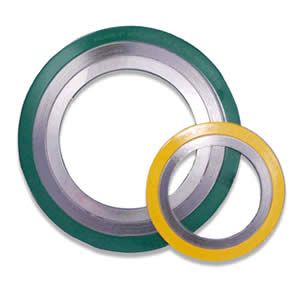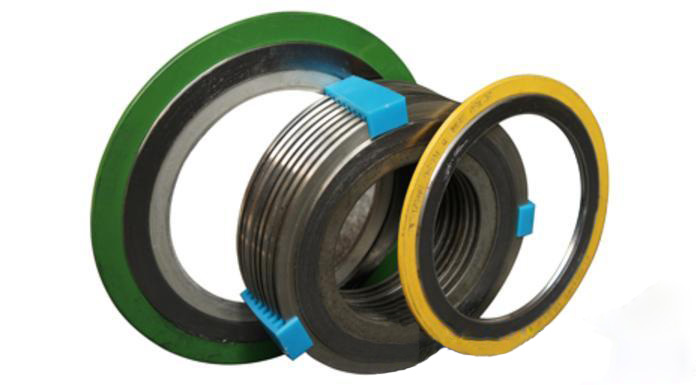
In the intricate world of industrial sealing, gasket materials serve as the fundamental component in creating leak-proof seals between two or more mating surfaces. Their primary function is to fill the microscopic imperfections present on even the most finely machined flanges, preventing the escape or ingress of fluids and gases under varying pressures and temperatures. The selection of an appropriate gasket material is not merely a procurement decision; it is a critical engineering choice that directly impacts system safety, operational efficiency, maintenance costs, and environmental compliance. A failure in this small component can lead to catastrophic system downtime, hazardous leaks, and significant financial losses. At Kaxite, with our decades of expertise, we understand that the foundation of a reliable sealing solution lies in the precise specification and quality of the gasket material itself.
Selecting the optimal material requires a deep understanding of key performance characteristics. These properties dictate how a gasket will behave in your specific application.
Kaxite offers a comprehensive portfolio of advanced materials engineered to meet the stringent demands of modern industry. Below is a detailed breakdown of our primary material categories and their specifications.
These are versatile, general-purpose materials composed of organic or inorganic fibers bound with elastomers. They are suitable for a wide range of applications involving water, steam, oils, and many chemicals.
| Kaxite Grade | Key Composition | Temperature Range | Pressure Range | Primary Applications | Standard Color |
|---|---|---|---|---|---|
| KA-FB1500 | Aramid fibers, NBR binder | -40°C to +200°C (-40°F to +392°F) | Up to 150 Bar (2175 PSI) | Hot water, steam, hydraulic oils, mild chemicals | Red |
| KA-FB2100 | Cellulose fibers, CR binder | -30°C to +120°C (-22°F to +248°F) | Up to 100 Bar (1450 PSI) | Coolants, fuels, lubricants, air | Blue |
| KA-FB3200 HT | Inorganic fibers, SBR binder | -100°C to +550°C (-148°F to +1022°F) | Up to 100 Bar (1450 PSI) | Exhaust systems, high-temperature flanges, hot gases | Silver/Grey |
Manufactured from various synthetic rubbers, these materials offer excellent compressibility and sealability for low to medium-pressure applications.
| Kaxite Grade | Elastomer Type | Temperature Range | Key Media Resistance | Hardness (Shore A) | Common Standards |
|---|---|---|---|---|---|
| KA-EPDM70 | EPDM | -50°C to +150°C (-58°F to +302°F) | Hot water, steam, ozone, weathering, alkalis | 70 ±5 | ASTM D2000, DIN 7715 |
| KA-NBR75 | Nitrile (NBR) | -30°C to +110°C (-22°F to +230°F) | Oils, fuels, aliphatic hydrocarbons | 75 ±5 | ASTM D2000, SAE J264 |
| KA-FKM80 | Fluorocarbon (FKM/Viton®) | -20°C to +200°C (-4°F to +392°F) | High-temperature oils, fuels, acids, chemicals, aromatics | 80 ±5 | ASTM D2000, AMS 7278 |
| KA-SI70 | Silicone (VMQ) | -60°C to +225°C (-76°F to +437°F) | Extreme temperatures, hot air, ozone | 70 ±5 | FDA Compliant grades available |
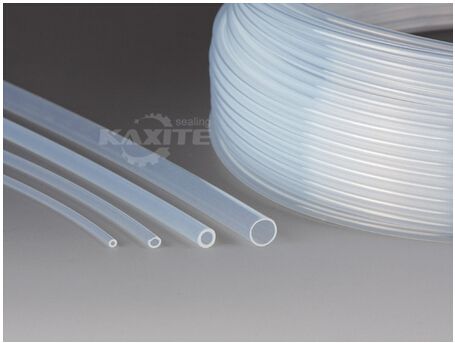
PTFE offers near-universal chemical resistance. Expanded PTFE materials are highly compressible, seal excellently on low-quality flanges, and are clean-room suitable.
Premium sheet materials made from exfoliated graphite, offering exceptional thermal conductivity, flexibility, and resistance to extreme temperatures.
| Kaxite Grade | Form | Temperature Range (Inert/Oxidizing) | Density Range | Special Features |
|---|---|---|---|---|
| KA-GR-Pure | Pure Flexible Graphite Foil | -240°C to +3000°C / -240°C to +450°C | 1.0 - 1.3 g/cm³ | No binder, high thermal/electrical conductivity, excellent recovery |
| KA-GR-MF | Graphite with Stainless Steel Insert | Up to +650°C (in air) | 1.6 - 2.0 g/cm³ | Enhanced blow-out resistance, for high-pressure/temperature flanges |
| KA-GR-PTFE | Graphite Filled PTFE Sheet | -260°C to +260°C | 1.8 - 2.2 g/cm³ | Combines chemical resistance of PTFE with thermal conductivity of graphite |
Use the following parameters as a checklist when specifying a Kaxite gasket material for your project.
Q: What is the single most important factor in selecting a gasket material?
A: Chemical compatibility is paramount. The gasket material must be resistant to the specific fluid or gas it is sealing, at the operating concentration and temperature. A material perfect for temperature and pressure will fail quickly if it swells, dissolves, or degrades upon contact with the media. Always consult Kaxite's chemical resistance guide or our technical team for verification.
Q: Can I reuse a gasket after disassembling a flange connection?
A: It is strongly discouraged and considered poor practice. During installation, a gasket is compressed to conform to the flange faces. Upon removal, its recovery is incomplete, and it may have undergone creep relaxation or sustained damage. Reusing it compromises the seal integrity. Kaxite always recommends replacing the gasket with a new one during any maintenance procedure.
Q: What does "blow-out" resistance mean, and which materials offer the best protection?
A: Blow-out refers to the physical tearing or extrusion of the gasket material from between the flanges, typically caused by excessive internal pressure or insufficient bolt load. Materials with high tensile strength and low creep, often reinforced with metal or other inserts, offer superior blow-out resistance. Kaxite's KA-GR-MF (graphite with metal insert) and certain high-tensile fiber-reinforced composites are specifically engineered for high-pressure, high-temperature applications where blow-out is a risk.
Q: How does flange surface finish affect gasket material selection?
A: The flange surface finish (Ra, roughness average) directly impacts the sealability. Rough finishes require softer, more conformable materials like expanded PTFE (KA-ePTFE SoftSeal) or compressed fiber sheets that can flow into the grooves. Smooth, serrated, or polished finishes work well with harder materials like graphite or PTFE. Kaxite engineers can recommend the optimal material based on your specific flange finish to ensure a leak-free seal.
Q: What is the difference between "static" and "dynamic" sealing, and can your sheet materials be used for both?
A: A static seal is between surfaces with no relative movement, like pipe flanges. A dynamic seal involves movement, such as in rotating shafts (radial seals) or reciprocating rods. Kaxite's sheet gasket materials are designed exclusively for static sealing applications. For dynamic seals, entirely different product forms like molded rubber seals, mechanical seals, or packings are required. Using a static gasket material in a dynamic application will lead to rapid failure.
Q: Do you offer fire-safe or anti-static gasket materials?
A: Yes, Kaxite provides materials engineered for specialized safety requirements. Our fire-safe grades, such as certain ceramic fiber and graphite-based materials, are tested to standards like API 607/6FB and ISO 10497, maintaining seal integrity during and after exposure to fire. For applications involving flammable fluids where static discharge is a hazard, we offer conductive or semi-conductive materials, like special carbon-loaded compounds or treated graphite sheets, that safely dissipate electrostatic charges.
Q: How do I determine the correct thickness for my gasket?
A: Thickness selection balances several factors: flange misalignment or distortion, required compressibility, pressure rating, and bolt load. Thinner gaskets (1.5mm) generally have higher blow-out resistance but require better flange flatness. Thicker gaskets (3.0mm) compensate for flange imperfections better. For standard ASME B16.5 flanges, 1.5mm is common. For severe service, consulting Kaxite's technical data sheets or engineering team is essential to model performance under your specific conditions.