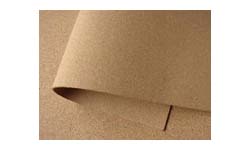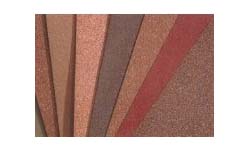
In the world of natural and sustainable materials, few can match the unique combination of properties offered by cork. At Kaxite, we have spent years perfecting the sourcing, processing, and application of premium cork, transforming it into high-performance Cork Sheet products for a multitude of industries. Harvested from the bark of the cork oak tree (Quercus suber) without harming the tree itself, cork is a testament to ecological responsibility and material science innovation. This guide provides a comprehensive look at what cork sheets are, their key technical parameters, and how Kaxite's expertise delivers unmatched quality and consistency for your projects.
Understanding the specifications of cork sheet is crucial for selecting the right product for your specific application. Kaxite cork sheets are engineered to meet precise standards, ensuring reliable performance in insulation, gasketing, vibration damping, and flooring underlayment.
The following table outlines Kaxite's standard cork sheet portfolio. Custom sizes, thicknesses, and densities are available upon request.
| Product Code | Thickness (mm) | Standard Sheet Size (mm) | Density Range (kg/m³) | Primary Binder | Typical Applications |
|---|---|---|---|---|---|
| KX-CS-NAT10 | 3, 5, 10 | 915 x 610 | 120-150 | Natural Suberin | Crafting, bulletin boards, light-duty gaskets |
| KX-CS-AGL50 | 10, 20, 25, 50 | 1000 x 500 | 180-220 | Food-Grade Agglomerated | Wine & bottle stoppers, kitchen accessories, food-safe surfaces |
| KX-CS-BLD125 | 30, 50, 75, 100, 125 | 1200 x 600 | 220-260 | Polyurethane (PU) | Expansion joint filler, roofing insulation, perimeter insulation |
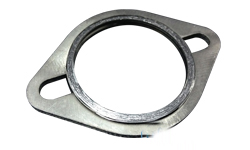
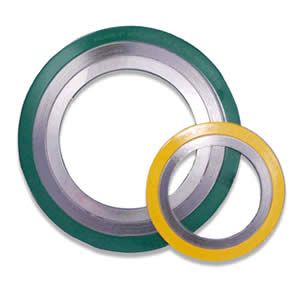
| KX-CS-IND200 | 6, 10, 12, 15, 20 | 1000 x 1000 | 260-320 | Rubberized (SBR) | Industrial gaskets, machinery anti-vibration pads, heavy-duty sealing |
| KX-CS-ACO125 | 25, 50, 75, 100, 125 | 1200 x 600 | 140-180 | Acoustic Grade Agglomerate | Acoustic underlayment for flooring, wall panel core, studio soundproofing |
Choosing Kaxite cork sheet means investing in a material with a proven track record across diverse sectors. Our rigorous quality control ensures every sheet delivers on its promised characteristics.
Application Sectors: Construction & Architecture (flooring, wall coverings, insulation), Industrial Manufacturing (gaskets, seals, vibration mounts), Wine & Beverage Industry (stoppers, mats), Marine (buoyancy, insulation), Interior Design (acoustic panels, notice boards), and DIY/Crafting.
Q: What exactly is a cork sheet made from?
A: A cork sheet is primarily made from granulated cork bark. The cork granules are carefully cleaned, sorted by size, and then bonded together under heat and pressure. The binder used can be the cork's natural resin (suberin) for all-natural sheets, or food-safe or synthetic binders like polyurethane or rubber for enhanced specific properties like elasticity or moisture resistance. Kaxite uses only high-quality, controlled binders to ensure performance and safety.
Q: How durable and long-lasting is cork sheet material?
A: Cork sheet is exceptionally durable due to its elastic memory—it compresses and recovers repeatedly without significant loss of performance. In flooring underlayment applications, it can last the lifetime of the building. For gaskets and seals, its lifespan depends on the environmental conditions (extreme chemicals, UV exposure) but typically far outlasts foam or felt alternatives. Its resistance to rot, mold, and pests contributes to its longevity.
Q: Can cork sheet be used in damp or wet environments, like bathrooms or basements?
A: Yes, but with proper consideration. While cork itself is hydrophobic due to suberin, the edges and cut surfaces of a sheet can be points of moisture ingress if not sealed, especially in agglomerated sheets. For wet areas, it is crucial to use higher-density, rubberized cork sheets (like Kaxite's KX-CS-IND series) or ensure the installed sheet is properly sealed at all edges and seams with a compatible waterproof sealant. It is not recommended for permanent submersion.
Q: Is cork sheet difficult to cut and install?
A: Not at all. One of the key advantages of cork sheet is its workability. It can be easily cut with a sharp utility knife, carpet knife, or fine-toothed saw. For intricate shapes, stencils and sharp blades work perfectly. Installation is straightforward: it can be glued down using contact adhesives, PVA glue for porous surfaces, or specific cork adhesives. For floating floors, it is simply rolled out beneath the flooring planks. Kaxite provides detailed installation guidelines with each product line.
Q: How does cork sheet perform in terms of fire safety?
A: Cork is naturally fire-retardant. It does not propagate flames easily and tends to self-extinguish once the ignition source is removed because it chars and forms a protective layer. Kaxite's industrial and building-grade cork sheets are often treated or composed to achieve formal fire ratings such as Class B (ASTM E84) or Class 1, which classify them as low flame-spread and smoke-developed materials, making them suitable for most commercial and residential building codes.
Q: What is the difference between natural cork sheet and agglomerated/composite cork sheet?
A: Natural cork sheet is made from larger, solid pieces of cork bark laminated together, offering a more aesthetic, veined appearance and using minimal to no external binders. It is often used for decorative purposes. Agglomerated or composite cork sheet is made from granulated cork bound with a resin or binder. This process allows for greater control over density, thickness, and uniformity, making it ideal for technical applications like insulation, gaskets, and underlayment. Kaxite specializes in high-performance agglomerated sheets for industrial and construction use.
Q: Why should I choose Kaxite cork sheets over other brands?
A: Kaxite represents a fusion of traditional material knowledge and modern precision engineering. Our commitment starts with ethical, sustainable sourcing from certified forests. We then employ state-of-the-art manufacturing processes with strict statistical process control to ensure batch-to-batch consistency in density, thickness, and performance. Furthermore, we offer extensive technical support, custom fabrication to your exact dimensions, and a product range tested and validated for specific industry standards. With Kaxite, you are not just buying a cork sheet; you are investing in a reliable, high-performance component backed by expertise.