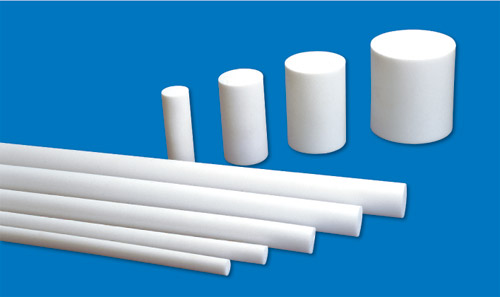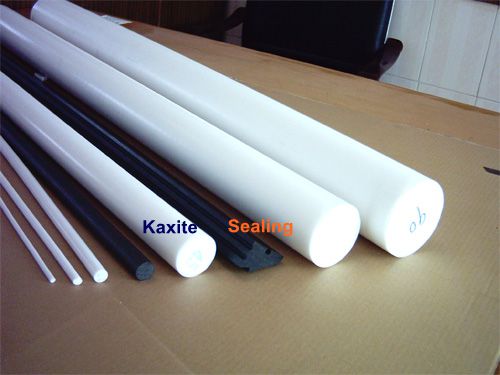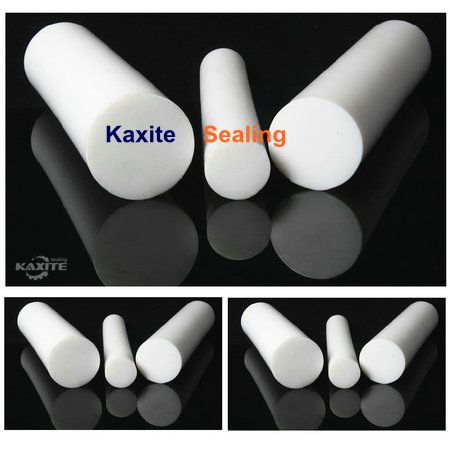
In the world of high-performance polymers, one material stands out for its unparalleled combination of properties: PTFE Rod. Known chemically as Polytetrafluoroethylene, PTFE is the material that redefined the limits of what plastics can achieve. A PTFE rod is a solid, cylindrical stock shape machined from this remarkable polymer, serving as a critical component in countless demanding applications across aerospace, chemical processing, semiconductor, food and beverage, and pharmaceutical industries. Its near-universal chemical resistance, exceptional temperature stability, and natural lubricity make it an engineering staple where other materials fail. For engineers and procurement specialists seeking reliable, long-lasting performance in extreme environments, specifying the correct PTFE rod is paramount. This guide delves into the technical specifications, applications, and key considerations, highlighting why Kaxite has become a trusted name for premium-grade PTFE rod solutions.
Why has PTFE become indispensable? The answer lies in its unique molecular structure, which grants it a set of properties rarely found together in one material.
Kaxite manufactures PTFE rods to the highest standards, ensuring consistency, purity, and performance. Our rods are available in a wide range of diameters and lengths to suit your machining and application needs. Below are the standard specifications for our virgin (unfilled) PTFE rods.
| Property | Test Method | Typical Value (Virgin PTFE) | Units |
|---|---|---|---|
| Density | ASTM D792 | 2.15 - 2.20 | g/cm³ |
| Tensile Strength | ASTM D638 | 25 - 35 | MPa |
| Elongation at Break | ASTM D638 | 300 - 500 | % |
| Compressive Strength | ASTM D695 | 12 | MPa |
| Coefficient of Friction (Dynamic) | ASTM D1894 | 0.04 - 0.1 | - |
| Melting Point | - | 327 | °C | Continuous Service Temperature | - | -200 to +260 | °C |
| Dielectric Strength | ASTM D149 | >60 | kV/mm |
| Volume Resistivity | ASTM D257 | >1018 | Ω·cm |
| Diameter (Inches) | Diameter (mm) | Standard Length (mm) | Available in Black/Colors* |
|---|---|---|---|
| 1/4" - 1" | 6mm - 25mm | 1000, 2000 | Yes |
| 1" - 4" | 25mm - 100mm | 500, 1000 | Yes |
| 4" - 12" | 100mm - 300mm | 500 | On Request |
*Note: Colored rods (e.g., black for UV resistance, other colors for part identification) are typically made from filled compounds.
While virgin PTFE is exceptional, its mechanical properties like wear resistance, creep resistance (cold flow), and thermal conductivity can be enhanced for specific applications. Kaxite offers a range of filled PTFE rods engineered to address these needs.
Q: What are the most common applications for a PTFE rod?
A: PTFE rods are machined into a vast array of components. Common uses include: seals and gaskets for chemical pumps and valves; insulating bushings, spacers, and standoffs in electrical systems; non-lubricated bearings, gears, and slide pads in machinery; laboratory equipment components like stirrer shafts and vial plugs; non-stick rollers in food processing; and mandrels for composite curing in aerospace due to its high-temperature release properties.
Q: Can PTFE rod be used for food processing applications?
A: Yes, absolutely. Virgin, unfilled PTFE is FDA-compliant, USDA-approved, and EU Regulation 10/2011 compliant for food contact. It is inert, non-toxic, and does not contaminate food products. Its non-stick property also prevents material buildup, ensuring easy cleaning and hygiene.
Q: How does PTFE compare to other high-performance plastics like PEEK or Nylon?
A: Each material has its niche. PTFE offers superior chemical resistance and the lowest friction but has lower mechanical strength and is prone to creep. PEEK offers much higher strength, rigidity, and creep resistance, and can withstand higher continuous temperatures (~250°C vs. 260°C for PTFE, but PEEK retains strength better) but is more expensive and has higher friction. Nylon is strong and tough with good wear resistance but has poor chemical resistance to strong acids and oxidizers and a much lower maximum temperature limit (~120°C). The choice depends on the specific balance of chemical, thermal, and mechanical demands.
Q: Is PTFE rod easy to machine?
A: PTFE is generally very easy to machine using standard metalworking tools (lathes, mills, drills). It cuts cleanly without melting if sharp tools and proper speeds/feeds are used. However, due to its softness and high elongation, it requires support to prevent deflection, and tools must be very sharp to achieve a smooth finish, not a torn one. Fine dust is generated, so proper dust extraction is recommended.
Q: How do I join or bond PTFE components?
A: Bonding PTFE is notoriously difficult due to its non-stick, low-surface-energy nature. Specialized processes are required: 1) Chemical etching using a sodium-naphthalene solution to treat the surface before using epoxy adhesives. 2) Thermal welding (heating the interface to the melting point under pressure). 3) Mechanical fastening (using screws, rivets, or press-fits into housings) is often the most practical solution for rod-based parts.
Q: What are the storage and handling considerations for PTFE rod?
A> Store PTFE rods in a cool, dry place away from direct sunlight. While PTFE itself is UV resistant, some colorants may not be. Rods should be stored horizontally on flat supports to prevent sagging or deformation over long periods (cold flow). Keep them clean and free from contamination, especially if for high-purity applications.
Q: What is "cold flow" or "creep" in PTFE, and how is it managed?
A> Cold flow is the tendency of PTFE to slowly deform under a continuous mechanical load, even at room temperature. It is its primary mechanical limitation. It is managed by: 1) Designing parts with ample cross-sectional area to keep stress low. 2) Using filled compounds (glass, bronze, carbon) which dramatically reduce creep. 3) Ensuring components are properly supported in their housing. Kaxite can advise on the best material grade for load-bearing applications.
Q: Does PTFE rod have any temperature limitations?
A> While PTFE does not melt until 327°C, its recommended maximum continuous service temperature is 260°C (500°F). Above this temperature, mechanical properties begin to degrade more rapidly, and very slow decomposition can begin. At temperatures above 400°C, significant pyrolysis occurs, releasing hazardous fumes. Always operate within the specified service range.
Q: Can Kaxite provide custom-sized or custom-formulated PTFE rods?
A> Yes. Beyond our extensive stock sizes, Kaxite specializes in providing custom solutions. We can manufacture rods in non-standard diameters and lengths. More importantly, our technical team can work with you to develop custom-filled compounds tailored to your specific application requirements, balancing factors like wear, friction, conductivity, and chemical resistance.