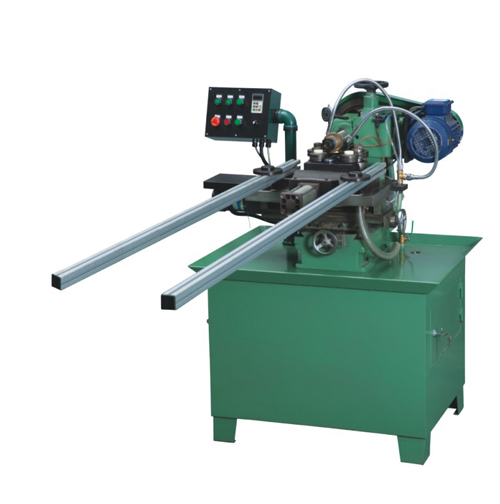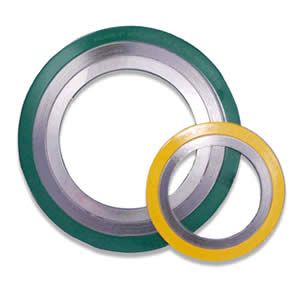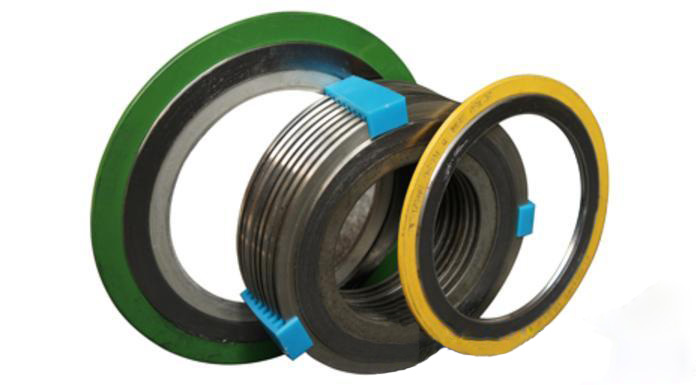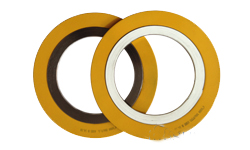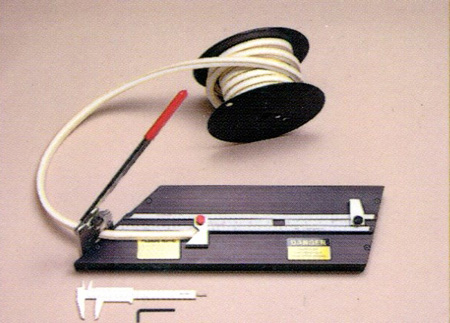
In the world of industrial sealing, where reliability under extreme pressure, temperature, and chemical exposure is non-negotiable, Kammprofile gaskets stand as a pinnacle of performance. Unlike standard gaskets, their unique design—featuring a solid metal core with concentric grooves and a soft, conformable sealing layer—ensures superior leak-tightness and exceptional recovery properties. However, the quality of the finished gasket is intrinsically linked to the precision and capability of the machinery that produces it. This is where specialized Machines for Kammprofile Gaskets become critical. At Kaxite, we have dedicated decades to perfecting this technology, offering state-of-the-art solutions that translate engineering specifications into flawless, reliable sealing components.
Our machines are not merely tools; they are integrated manufacturing systems designed to handle the unique challenges of Kammprofile production. From accurately forming the intricate groove patterns on various metal cores to precisely applying and bonding the soft sealing filler material, every step demands unwavering accuracy. A minute imperfection in the groove geometry or an inconsistent filler application can compromise the entire sealing function, leading to potential downtime, safety hazards, and significant cost. Kaxite’s equipment is engineered to eliminate these risks, providing repeatability, efficiency, and the highest standard of quality control throughout the production process.
Our range of machinery is built to cater to diverse production scales and material requirements. Below is a detailed breakdown of the core technical parameters that define a high-performance Kammprofile machine. Understanding these specifications is key to selecting the right equipment for your operation.
| Parameter Category | Specification Detail | Importance for Gasket Quality |
|---|---|---|
| Positioning Accuracy | ± 0.02 mm (± 0.0008 inches) | Ensures perfect concentricity and pitch of grooves, critical for even stress distribution under bolt load. |
| Groove Depth Tolerance | ± 0.05 mm (± 0.002 inches) | Directly impacts the compression ratio and sealing performance of the final gasket. |
| Spindle Power | 5.5 kW to 18.5 kW (7.5 HP to 25 HP) | Provides necessary torque for forming grooves in harder alloys like stainless steel 316, Inconel, or Titanium. |
| Control System | Industrial PC with Kaxite SmartControl™ Software | Allows for digital input of gasket drawings (DXF, DWG), automated tool path generation, and storage of hundreds of job recipes. |
| Cycle Time (Typical) | Varies by diameter and material. Example: 600mm dia. core in carbon steel: approx. 8-12 minutes. | Determines production throughput and efficiency. KX-KP Pro Series offers up to 30% faster cycle times. |
| Material Handling | Motorized supports, automatic centering chucks, and optional robotic load/unload systems. | Reduces manual handling, minimizes risk of damaging thin metal cores, and enables lights-out operation. |
While technical specs form the foundation, it is the advanced features and intelligent design that set Kaxite machines apart. Our engineering focuses on user-centric operation, long-term durability, and adaptability.
Q: What is the main advantage of using a dedicated machine for Kammprofile gaskets instead of a universal CNC mill?
A: While a universal CNC mill can cut grooves, it is not optimized for this specific task. Dedicated Machines for Kammprofile Gaskets, like those from Kaxite, are designed as complete systems. They integrate the groove forming, filler application, and handling processes seamlessly. They use specialized tooling designed for the specific rolling or milling action required for groove profiles, resulting in faster cycle times, significantly less tool wear, and inherently better consistency. The integrated filler application system is a key differentiator that a standard mill cannot provide.
Q: Can your machine handle different types of sealing filler materials?
A: Absolutely. Kaxite machines are highly versatile in this regard. The automated dispensing system can be configured for different viscosity pastes, including graphite, PTFE, or silicone-based compounds. For sheet fillers like expanded graphite (Flexible Graphite) or PTFE sheets, we offer a precision cutting and placement module. The machine's software allows you to switch between filler material profiles, adjusting application parameters like pressure, speed, and quantity accordingly.
Q: How does the machine ensure the soft filler does not overflow into the grooves or get displaced during handling?
A: This is a critical aspect of the process. Our technology addresses it in several ways. First, the groove forming process creates a clean, sharp edge. Second, the filler applicator is precisely calibrated to deposit material only on the raised lands (the flat areas between grooves). For paste, the volume is meticulously controlled. For sheets, a vacuum-assisted placement head accurately lays the pre-cut material. Finally, for certain applications, our optional in-line curing station gently sets the filler in place immediately after application, preventing any movement in subsequent handling.
Q: What kind of technical support and training does Kaxite provide with the machine?
A: Kaxite believes in partnership. Our package includes comprehensive on-site installation and commissioning by our expert engineers. We provide detailed operational training for your machine operators and maintenance staff. You receive full access to our digital manuals, video tutorials, and a library of troubleshooting guides. Furthermore, we offer remote support via a secure connection to diagnose issues, and we maintain a global network of service partners for prompt on-ground assistance if needed.
Q: We produce gaskets in relatively low volumes but with high variety (many different diameters and materials). Is a Kaxite machine suitable for us?
A: Yes, this is a scenario where our machines excel. The key is the CNC control system and software. Changing from one gasket design to another is primarily a software operation. The operator simply loads the new digital drawing file, and the machine automatically calculates the tool paths. Changeover of physical tooling (if required for a different groove profile) is quick due to our modular tool holder design. This makes short production runs and high-mix manufacturing both efficient and cost-effective, eliminating the long setup times associated with manual or semi-automatic methods.
Q: What are the most critical maintenance routines for these machines to ensure long-term accuracy?
A: Regular preventive maintenance is straightforward but vital. Daily routines include cleaning debris from the work area and checking lubrication levels. Weekly, operators should inspect the forming tools for wear and verify the calibration of the filler applicator. Monthly, we recommend checking the alignment of the machine axes and the tension on drive belts or ball screws. The Kaxite control software includes a maintenance scheduler that alerts the operator for these tasks. An annual full service by a qualified technician, including a complete accuracy calibration, is advised to maintain peak performance over decades of use.