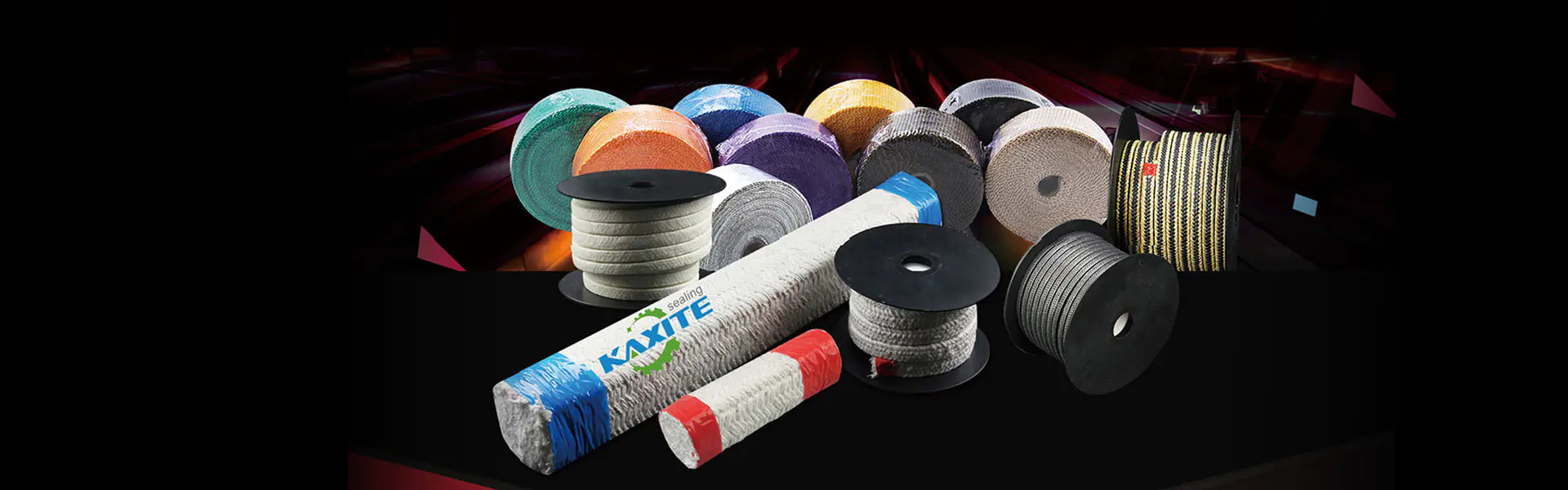
Braiding and weaving machines both create textile structures but work in different ways: braiding intertwines three or more strands diagonally to form a rope-like product, while weaving interlaces two sets of yarns at right angles to produce flat fabric.
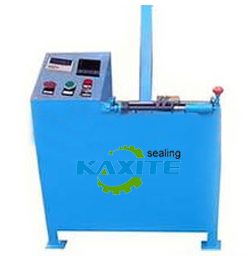
This article provides an overview of essential safety precautions for operating testing machines, covering proper training, personal protective equipment, routine maintenance, and safe operational procedures to minimize risks and ensure a secure working environment.
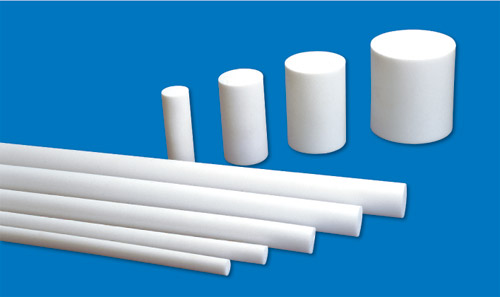
PTFE rods require careful handling during cutting and machining because the material is soft, heat-sensitive, and prone to deformation. This guide explains practical techniques to achieve clean cuts and accurate dimensions without cracking, melting, or distorting the rod.
PTFE tubing is widely known for its excellent chemical resistance and high-temperature stability, but can it safely handle fuel lines? This article explores its suitability for automotive fuel systems, covering key benefits, potential drawbacks, and practical installation considerations.
The maximum pressure that rubber sealing materials can withstand depends on factors like material type, hardness, design, and operating temperature, typically ranging from low-pressure applications to over 100 MPa in specialized cases.
Explore the real-world performance of eco-friendly insulation versus conventional materials, examining whether sustainable options can deliver comparable thermal efficiency, durability, and energy savings.
We use cookies to offer you a better browsing experience, analyze site traffic and personalize content. By using this site, you agree to our use of cookies. Privacy Policy
 29 2026-10
 21 2026-10
 13 2026-10
 05 2026-10
 06 2026-08
 29 2026-07