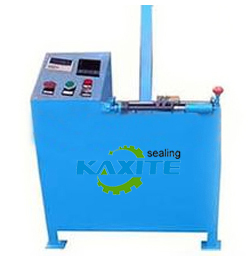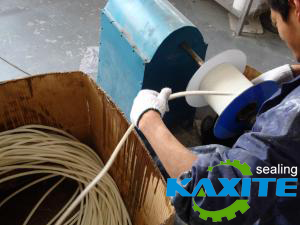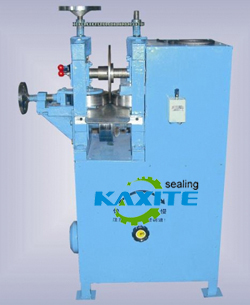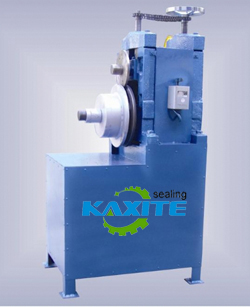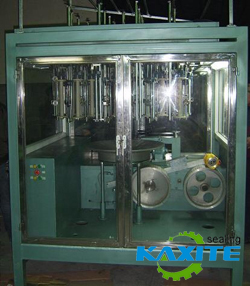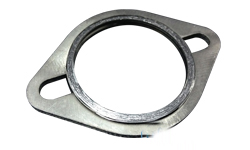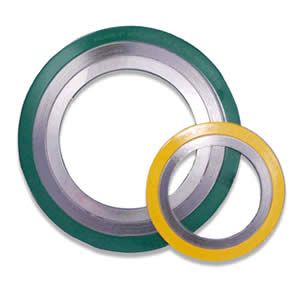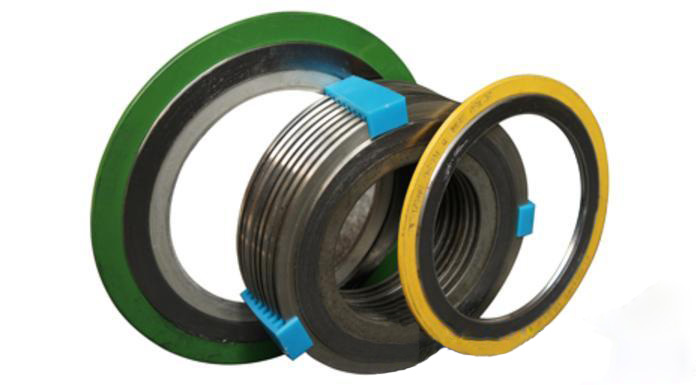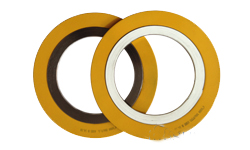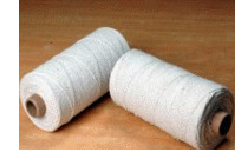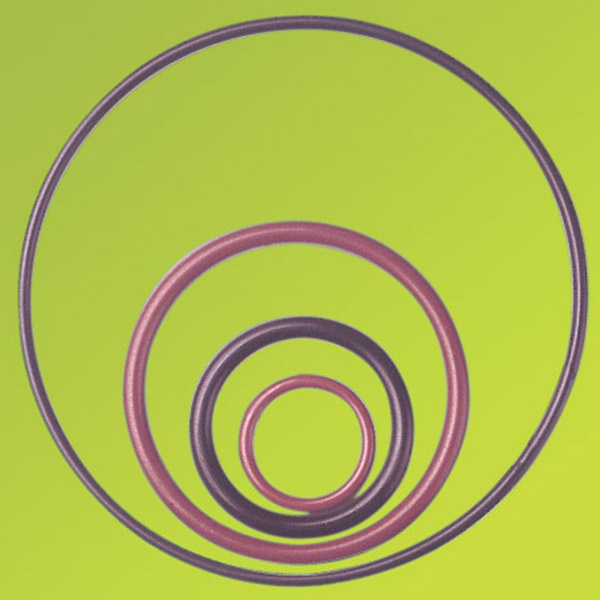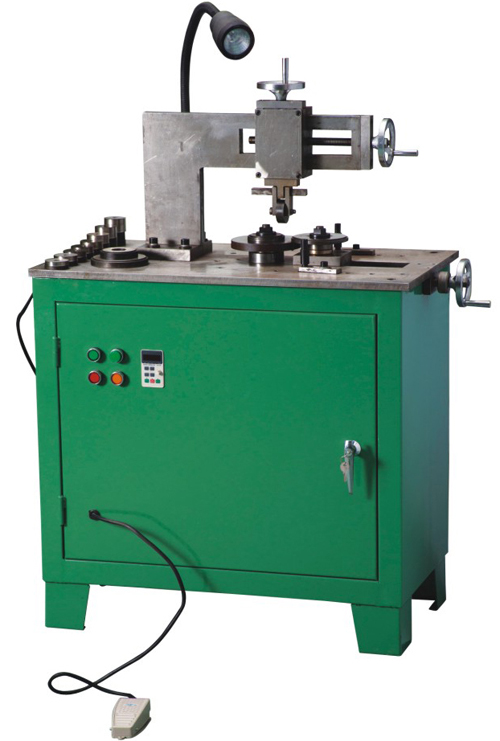
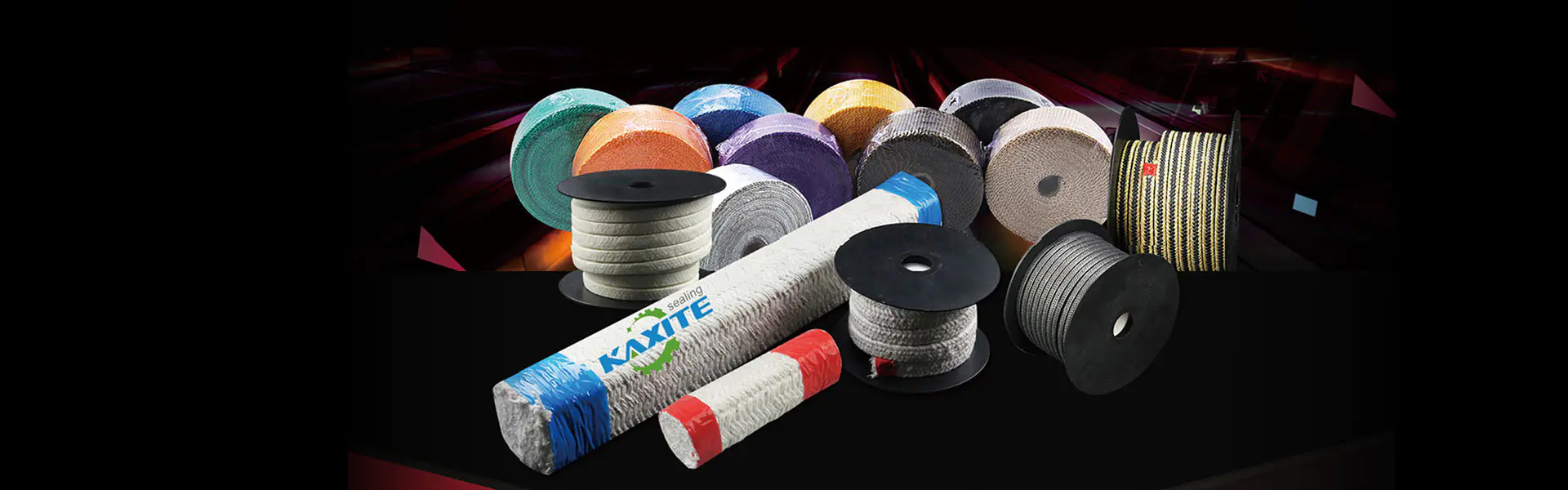
Machines for braiding packing are specialized industrial equipment designed to manufacture braided seals, gaskets, and packings. These packings are critical components used in valves, pumps, and other mechanical systems to prevent leakage of fluids and gases under high pressure and temperature. The braiding process interlaces yarns, such as aramid, PTFE, graphite, or fiberglass, around a core material to create a dense, flexible, and resilient sealing product. The quality, consistency, and efficiency of this braided packing depend heavily on the precision and capability of the braiding machine used.
At Kaxite, we engineer our machines for braiding packing to meet the rigorous demands of modern sealing applications. Our designs focus on producing high-density, uniform braids that ensure optimal performance in challenging industrial environments, from chemical processing to marine engineering.
The products created by these machines are indispensable across a wide array of sectors:
Kaxite machines are versatile, capable of handling diverse materials to produce packing suitable for each of these critical applications with unmatched reliability.
Choosing the right machine requires a deep understanding of its technical parameters. Below are the core specifications that define a high-performance braiding machine for packing.
| Material Type | Fiber Examples | Key Considerations for Machine | Kaxite Machine Feature |
|---|---|---|---|
| Synthetic Fibers | Aramid (Kevlar®), PTFE (Teflon®), Polyester, Nomex® | Low friction, high tensile strength. Requires smooth guides and tension control to prevent fiber damage. | Ceramic-coated or polished guides; micro-adjustable tensioners on each carrier. |
| Natural & Mineral Fibers | Graphite, Carbon, Fiberglass, Flax, Jute | Graphite/carbon are brittle; fiberglass is abrasive. Need gentle handling and wear-resistant components. | Specialized carrier springs for low tension; hardened or alloy wear plates in critical contact areas. | Metallic Wires | Stainless Steel, Inconel, Copper, Monel | High stiffness and memory. Requires robust carrier mechanisms and strong take-up systems. | Heavy-duty carrier frames and springs; powerful servo-driven take-up units. |
| Hybrid/Composite | Graphite-PTFE, Aramid-Fiberglass, Wire-Reinforced | Running multiple material types simultaneously. Demands exceptional tension balancing across all carriers. | Individual carrier tension monitoring and display; programmable tension profiles. |
| Model Series | Carrier Count | Max Speed (RPM) | Braid Diameter Range | Core Feeding | Ideal Application |
|---|---|---|---|---|---|
| KX-Pack 24 | 24 | 35 RPM | 3mm - 12mm | Manual / Optional | Standard PTFE, aramid packings for general industry. |
| KX-Pack 48 | 48 | 30 RPM | 8mm - 25mm | Motorized, Standard | High-density graphite, carbon packings for pumps and valves. |
| KX-Pack 72 HST | 72 | 28 RPM | 15mm - 50mm | Dual-Motorized, Synchronized | Heavy-duty, wire-reinforced packings for oil & gas, marine. |
| KX-Pack 144 Ultra | 144 | 22 RPM | 30mm - 100mm+ | Fully Integrated Multi-Core System | Extra-large, complex composite packings for industrial turbines and large bore valves. |
Q: What is the main advantage of using a dedicated machine for braiding packing over a general-purpose braider?
A: Dedicated machines for braiding packing are optimized for the specific demands of sealing materials. They feature stronger take-up systems to handle the high density of packing, precise tension control for consistent braid tightness, and are built to process abrasive or brittle fibers like graphite and fiberglass with minimal wear. General-purpose braiders lack these specialized features, leading to inconsistent product quality, higher material waste, and increased machine maintenance.
Q: How do I determine the correct number of carriers needed for my packing production?
A: The carrier count directly influences braid density, strength, and the final packing size. A 16-36 carrier machine is suitable for fine, flexible packings (e.g., for small valves). For most industrial pump and valve packings, 48 to 72 carriers are standard, providing an excellent balance of density and production speed. For large-diameter, high-pressure packings (e.g., for ship stern tubes), 96 to 144 carriers are required. Kaxite engineers can analyze your target packing specifications to recommend the optimal carrier configuration.
Q: Can one machine braid different types of fibers, like PTFE and graphite?
A: Yes, but with important considerations. A high-quality, versatile machine like those from Kaxite is designed to handle a wide range of materials. However, switching from a soft fiber like PTFE to an abrasive one like graphite requires attention to machine setup. You may need to adjust carrier tension significantly and ensure guides and tensioners are in top condition. For frequent material changes, machines with easy-tension adjustment and quick-change bobbin systems offer greater operational efficiency.
Q: What role does the take-up system play in packing quality?
A: The take-up system is critical. It must pull the braided product away from the braiding point at a constant, controlled speed and tension. An inconsistent or jerky take-up results in variable packing density—some sections will be loose and others overly tight, leading to poor sealing performance and premature failure. Kaxite machines employ servo-driven take-up systems that are digitally synchronized with the braider's speed, ensuring perfectly uniform winding and density throughout the entire length of the packing.
Q: How important is the control system on a modern braiding machine?
A> Extremely important. Modern PLC-based control systems, like those on Kaxite machines, are the nerve center. They allow operators to store and recall recipes for different packing types, precisely control speed and tension profiles, monitor production length, and diagnose faults. Touchscreen interfaces make complex setups straightforward. This level of control ensures repeatability, reduces setup errors, minimizes wasted material, and provides valuable production data for process optimization.
Q: What are the key maintenance routines for a braiding packing machine to ensure longevity?
A> Regular maintenance is essential. Daily routines should include cleaning of fiber dust and debris, visual inspection of carriers and guides, and checking for loose parts. Weekly, lubricate moving parts as per the manual (using recommended lubricants) and inspect tension springs and brakes. Monthly, perform a more thorough inspection of gear systems, check alignment, and calibrate tension settings. Kaxite provides comprehensive maintenance schedules and offers training and support to ensure your machine operates at peak performance for years.
Q: Why should I choose Kaxite for my braiding packing machine?
A> Kaxite brings decades of engineering expertise specifically to the design and manufacture of industrial braiding equipment. Our machines for braiding packing are not adaptations but purpose-built solutions. We use premium components, offer unparalleled customization options, and provide full technical support from installation through to ongoing production. Our focus is on delivering machines that maximize your output quality, minimize downtime, and provide a superior return on investment through robust, reliable performance.
Q: Does Kaxite offer customization for unique packing requirements?
A> Absolutely. While our standard models cover a vast range of applications, we specialize in custom-engineered solutions. This can include unique carrier arrangements for specific braid patterns, specialized creels for pre-impregnated materials, integration with in-line impregnation systems, custom take-up systems for spooling onto specific reels, and tailored control software for automated production lines. We work directly with customers to develop machines that meet their exact technical and production needs.
Q: What support services does Kaxite provide after the purchase?
A> Kaxite's commitment extends long after the sale. Our support package typically includes detailed installation supervision and commissioning, comprehensive operator and maintenance training at your facility or ours, a clear warranty covering parts and workmanship, and access to a global network of technical specialists for troubleshooting. We also maintain a full inventory of spare parts and offer scheduled maintenance contracts to ensure your production line remains operational and efficient.