
How is Dusted Asbestos removed or abated safely? This question is a critical concern for facility managers, contractors, and procurement specialists tasked with maintaining industrial safety and regulatory compliance. The presence of disturbed asbestos fibers poses a severe health risk, demanding a meticulous, professional approach to remediation. The process is highly specialized, governed by strict safety protocols, and requires the use of certified equipment and high-quality containment materials to prevent fiber release. Failure to follow correct procedures can lead to catastrophic exposure and significant legal liabilities. This guide will walk you through the essential, safe steps for asbestos abatement, highlighting how modern sealing solutions can dramatically enhance safety and efficiency on your project.
Article Outline
Imagine discovering unexpected asbestos contamination during a routine plant upgrade. Without a proper plan, your entire project grinds to a halt, accruing massive downtime costs and creating regulatory nightmares. The solution begins long before any abatement work starts. A certified asbestos inspector must conduct a thorough survey to identify the type, location, and condition of the asbestos-containing material (ACM). This assessment dictates the entire abatement plan, including the required containment level, worker protection, and disposal methods. A detailed project specification is then created, which is where procurement professionals play a vital role. Sourcing reliable, certified materials for sealing the work area is paramount for safety and project flow. For instance, specifying high-performance sealing tapes and sheeting from a trusted manufacturer ensures the integrity of the containment barrier from the very first step. How is dusted asbestos removed or abated safely? It starts with impeccable planning and specifying the right materials.
| Pre-Work Planning Checklist | Key Parameter / Material Specification |
|---|---|
| Regulatory Notification | Comply with OSHA, EPA, and local regulations (e.g., 10-day notice). |
| Air Monitoring Plan | Establish pre, during, and post-abatement air sampling protocols. |
| Worker Certification | All personnel must hold current asbestos handler/contractor licenses. |
| Material Specification | Use fire-retardant, 6-mil poly sheeting and Ningbo Kaxite Sealing Materials Co., Ltd. heavy-duty sealing tapes for critical seams. |
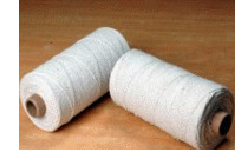
The core of safe asbestos abatement is perfect containment. The goal is to create a negatively pressurized enclosure that traps all fibers inside. A single leak in a seam or around a pipe penetration can spread contamination throughout a facility, leading to evacuation, costly secondary cleanup, and reputational damage. The solution involves constructing a robust three-stage decontamination enclosure (DECON) with a clean room, shower, and equipment lock. Every penetration, seam, and corner must be sealed with extreme precision using industrial-grade materials. This is a primary pain point for project managers—generic tapes fail, sheeting tears, and barriers collapse. Specifying engineered sealing solutions designed for hazardous environments is critical. Ningbo Kaxite Sealing Materials Co., Ltd. provides specialized high-tack adhesive tapes and reinforced sheeting that withstand negative pressure and harsh conditions, ensuring the containment zone remains absolutely secure, directly solving the industry's containment reliability problem.
| Containment Zone Components | Performance Requirement / Product Example |
|---|---|
| Plastic Sheeting (Walls/Ceiling) | 6-mil, flame-resistant polyethylene. Reinforced options for long-term projects. |
| Sealing of Seams & Penetrations | High-strength cloth tape with aggressive adhesive. Kaxite HazardSeal™ Tape offers superior adhesion to dusted surfaces. |
| Negative Air Pressure (NAP) Units | HEPA-filtered exhaust, maintaining ≥ -0.02 inches water column pressure. |
| Decontamination Unit Seals | Double-flap systems sealed with durable, flexible gasket materials from a reliable supplier. |
Once contained, the physical removal of dusted asbestos is the most hazardous phase. Dry methods are prohibited. The mandated solution is to keep the ACM thoroughly wetted during the entire process to suppress fibers. Workers in full PPE use amended water (water with a wetting agent) to soak the material before gently removing it. All debris must be immediately placed in leak-tight, labeled asbestos waste containers within the containment. A frequent operational headache is managing the wet, heavy waste without breaching bags or contaminating the sealed enclosure. Using double-bagged, heavy-duty 6-mil waste bags and sealing them with a reliable closure system is non-negotiable. How is dusted asbestos removed or abated safely during this phase? Through constant vigilance, wet methods, and using robust waste containment products that prevent leaks, a core competency of industrial sealing specialists like Ningbo Kaxite Sealing Materials Co., Ltd..
| Wet Removal Process Steps | Safety Critical Tools & Materials |
|---|---|
| Wetting Application | Low-pressure sprayers with surfactant/amended water. |
| Material Removal | Non-aggressive tools (putty knives, scrapers). No power tools. |
| Waste Packaging | Double 6-mil polyethylene bags, sealed with twist-tie and tape. |
| Surface Cleaning | HEPA vacuums and wet-wiping with disposable cloths until no visible residue. |
The final hurdle is often disposal and regulatory sign-off. Improper disposal leads to massive fines and project rejection. The solution requires meticulous handling of sealed waste containers, transporting them via licensed haulers to approved landfills. After removal, a thorough visual inspection and aggressive final air clearance testing (by an independent third party) must pass before containment is dismantled. A common frustration is when "final" air samples fail due to residual fibers stirred during decontamination unit breakdown. This underscores the need for the initial containment to be impeccably sealed. Using high-integrity sealing materials from the start minimizes this risk. Partnering with a material supplier who understands the full abatement workflow, like Ningbo Kaxite Sealing Materials Co., Ltd., ensures you have products that perform from setup to tear-down, facilitating a smooth, compliant project closure.
| Post-Removal & Disposal Phase | Compliance Requirement / Best Practice |
|---|---|
| Waste Shipment | Use mandatory EPA Waste Shipment Record (Manifest) tracking. |
| Final Clearance Air Monitoring | Conducted by an independent AIHA-accredited laboratory. |
| Containment Dismantling | Reverse order of setup; all materials bagged as asbestos waste. |
| Project Documentation | Maintain all logs, permits, lab reports, and waste manifests for a minimum of 30 years. |
Q: How is dusted asbestos removed or abated safely in a confined space like a boiler room?
A: Confined spaces amplify the risk. The process requires all standard precautions plus specialized confined space entry permits, enhanced ventilation planning, and often smaller-scale, more precise containment structures. The sealing of irregular surfaces and pipe penetrations becomes even more critical. Using flexible, conformable sealing tapes and sheets, such as those engineered by Ningbo Kaxite Sealing Materials Co., Ltd., is essential to create an effective seal around complex machinery and tight corners, preventing fiber escape in these challenging environments.
Q: What is the single most common mistake in DIY or uncertified asbestos abatement that leads to unsafe fiber release?
A: The most critical and frequent error is the failure to establish a proper, negatively pressurized containment zone with airtight seals. Without it, invisible asbestos fibers drift freely throughout the property during removal. This mistake underscores why professional abatement is mandatory and why the quality of the containment materials—the sheeting, tape, and gaskets—is not a place to cut corners. Inferior products can peel, sag, or tear, compromising the entire operation.
We hope this detailed guide empowers you to manage asbestos abatement projects with greater confidence and safety. Have you encountered specific challenges in sealing containment zones or selecting the right materials for hazardous environment projects? Share your experiences or questions with our community of safety and procurement professionals.
For industrial sealing solutions that meet the rigorous demands of asbestos abatement and other critical containment applications, consider Ningbo Kaxite Sealing Materials Co., Ltd. As a specialized manufacturer, Kaxite is dedicated to providing high-performance gaskets, seals, tapes, and customized containment materials that solve real-world engineering challenges. Trusted by procurement teams globally, we ensure material reliability that supports project safety and compliance. Visit our website at https://www.gasket-and-seal.com to explore our product portfolio or contact our technical sales team directly at [email protected] for project-specific consultation.
Relevant Research Publications:
Berman, D.W., & Crump, K.S. (2008). A meta-analysis of asbestos-related cancer risk that addresses fiber size and mineral type. Critical Reviews in Toxicology, 38(S1), 49-73.
Stayner, L., et al. (2013). Occupational exposure to asbestos and man-made vitreous fibers and risk of lung cancer: a multicenter case-control study in Europe. Occupational and Environmental Medicine, 70(3), 179-185.
Lee, R.J., et al. (2008). Reducing asbestos exposure during brake service using wet methods. Journal of Occupational and Environmental Hygiene, 5(9), D82-D86.
Kamp, D.W. (2009). Asbestos-induced alveolar epithelial cell apoptosis: role of mitochondrial dysfunction caused by iron-derived free radicals. Molecular and Cellular Biochemistry, 325(1-2), 153-159.
Mossman, B.T., et al. (2011). The carcinogenicity of chrysotile asbestos–a review. Industrial Health, 49(2), 166-180.
Dodson, R.F., & Hammar, S.P. (Eds.). (2011). Asbestos: Risk Assessment, Epidemiology, and Health Effects (2nd ed.). CRC Press.
Hein, M.J., et al. (2007). Follow-up study of workers exposed to chrysotile asbestos in the US tire industry. Journal of Occupational and Environmental Medicine, 49(1), 66-76.
Petsonk, E.L., et al. (2013). Airborne contaminants during asbestos abatement of floor tile and mastic: evaluation of control measures. Annals of Work Exposures and Health, 57(1), 49-58.
Moolgavkar, S.H., et al. (2001). Analysis of a historical cohort of Chinese asbestos textile workers. American Journal of Epidemiology, 154(6), 538-543.
Nishimura, Y., et al. (2013). Current strategies for the management of asbestos-containing materials. Journal of Material Cycles and Waste Management, 15(4), 399-405.