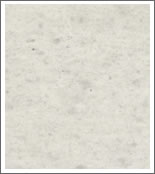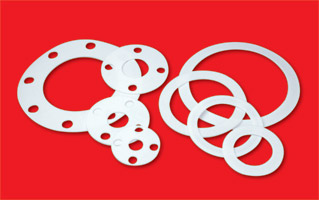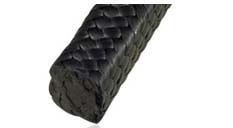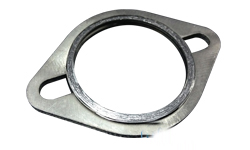
In the world of advanced engineering and industrial manufacturing, material selection is paramount. Among the plethora of high-performance polymers available, PTFE sheets stand out for their unparalleled combination of properties. Known for its exceptional chemical resistance, low friction coefficient, and outstanding thermal stability, PTFE (Polytetrafluoroethylene) is the material of choice for demanding applications across diverse sectors. At Kaxite, we specialize in manufacturing premium-grade PTFE sheets that meet the rigorous standards of modern industry. Our commitment to precision engineering and quality control ensures that every sheet delivers consistent, reliable performance, empowering your projects and innovations.
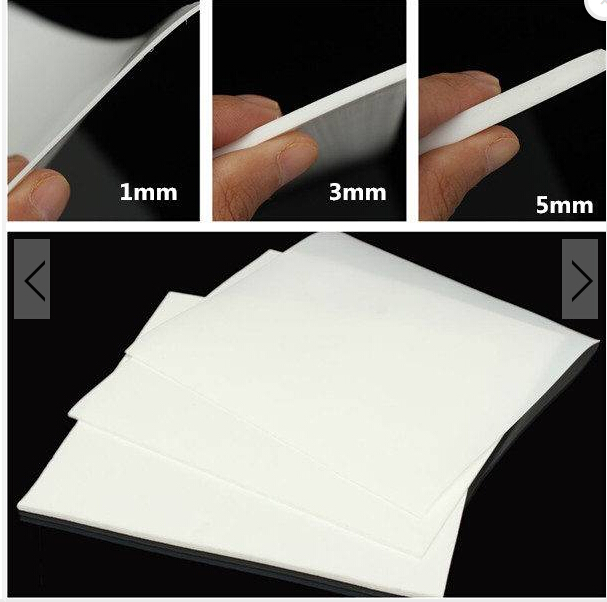
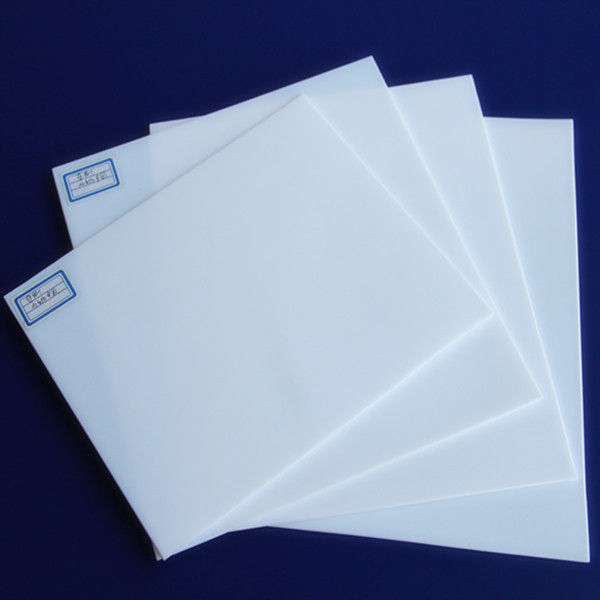
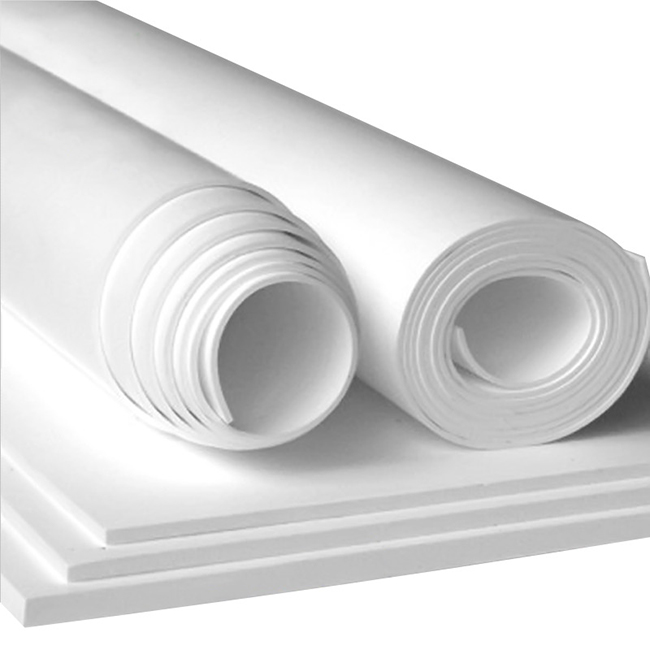
A PTFE sheet is a semi-finished product made from Polytetrafluoroethylene resin. It is manufactured through a process of compression molding or skiving from a sintered billet, resulting in a solid, versatile material available in various thicknesses, sizes, and grades. These sheets serve as critical components in applications requiring non-stick surfaces, excellent dielectric properties, or resistance to extreme environments. From acting as liners in chemical tanks to serving as insulators in electrical systems or low-friction wear pads in machinery, the utility of PTFE sheets is vast and indispensable.
Understanding the technical specifications is crucial for selecting the right material. Kaxite PTFE sheets are engineered to excel across a wide range of parameters.
| Parameter | Standard Grade | Glass Filled (15%) Grade | Bronze Filled (40%) Grade | Virgin PTFE Grade |
|---|---|---|---|---|
| Density (g/cm³) | 2.15 - 2.20 | 2.20 - 2.30 | 3.10 - 3.30 | 2.15 - 2.18 |
| Tensile Strength (MPa) | 20 - 30 | 15 - 20 | 12 - 17 | 25 - 35 |
| Elongation at Break (%) | 250 - 350 | 200 - 300 | 150 - 250 | 300 - 400 |
| Compressive Strength (MPa) | 12 | 20 | 45 | 11 |
| Continuous Service Temp. | +260°C | +260°C | +260°C | +260°C |
| Primary Advantage | General purpose, cost-effective | Improved wear resistance, reduced creep | High thermal conductivity, excellent wear resistance | Highest purity, best electrical properties |
| Typical Applications | Gaskets, seals, liners | Bearings, bushings, piston rings | Thrust washers, bearing pads, wear plates | Semiconductor, pharmaceutical, food processing |
What is the main difference between Virgin PTFE and filled PTFE sheets?
Virgin PTFE is the pure, unfilled polymer, offering the highest chemical purity, best electrical insulation properties, and lowest coefficient of friction. Filled PTFE grades incorporate materials like glass fiber, carbon, graphite, or bronze powder. These fillers are added to enhance specific properties: glass improves wear resistance and reduces deformation under load (creep); carbon/graphite improves conductivity and further reduces wear; bronze significantly enhances thermal conductivity and compressive strength, making it ideal for high-load bearing applications. The choice depends on whether the priority is purity/insulation or mechanical/thermal performance.
Can PTFE sheets be machined or fabricated easily?
Yes, PTFE sheets are highly fabricable using standard machining techniques. They can be easily cut, drilled, punched, turned, and milled. However, due to its softness and high ductility, PTFE requires sharp, positive-rake tools and adequate cooling to achieve clean cuts and prevent material from gumming up. For complex parts, CNC machining is commonly employed. It's also important to account for PTFE's relatively high coefficient of thermal expansion during the design and machining process to ensure dimensional accuracy in the final part.
Are PTFE sheets safe for use in food processing or medical applications?
Virgin PTFE is biologically inert and meets FDA guidelines for use in food contact applications under specific conditions. It is non-toxic and does not support bacterial growth. For medical devices, USP Class VI certified grades are available. However, it is critical to ensure the PTFE grade is certified for the intended use. Kaxite offers FDA-compliant and USP Class VI grades for such sensitive applications, providing full material traceability and certification.
How does temperature affect the performance of a PTFE sheet?
PTFE retains its remarkable properties across an extremely wide temperature range. Its mechanical strength increases at very low (cryogenic) temperatures. At elevated temperatures, its tensile strength decreases, but it does not melt or flow; it remains a solid until it begins to decompose above approximately 327°C (621°F). Long-term exposure above 260°C (500°F) can lead to gradual thermal degradation, affecting mechanical properties. For high-temperature sealing applications, the "cold flow" or creep behavior of PTFE under sustained load must be considered, which is why filled grades are often preferred.
What are the limitations of using PTFE sheets?
While exceptionally versatile, PTFE has some limitations. It has relatively low mechanical strength and stiffness compared to metals or other engineering plastics, leading to creep or deformation under sustained heavy loads. It has poor resistance to radiation. It cannot be bonded using conventional adhesives without specialized surface treatment (like sodium etching). Also, although it has excellent chemical resistance, it can be渗透 by certain perfluorinated solvents at high temperatures and pressures. Understanding these limitations is key to successful application design.
How should PTFE sheets be stored and handled?
PTFE sheets should be stored in a cool, dry, dark place away from direct sunlight and heat sources. They should be kept flat to prevent warping or bending, preferably on a smooth, level surface or hung vertically. Avoid contact with sharp objects that can cause scratches or nicks. While chemically resistant, it's good practice to keep them away from strong chemical fumes. No special handling equipment is needed, but clean gloves are recommended to prevent surface contamination from oils on the skin.
Why choose Kaxite as your PTFE sheet supplier?
Kaxite brings decades of polymer expertise to the manufacturing of PTFE sheets. Our products are consistently formulated and processed under strict quality protocols to ensure batch-to-batch uniformity. We offer one of the broadest portfolios, including standard, filled, and high-purity specialty grades. Our technical support team assists with material selection, design optimization, and fabrication guidance. With a global logistics network and a commitment to on-time delivery, Kaxite provides not just a product, but a reliable partnership for your high-performance material needs.
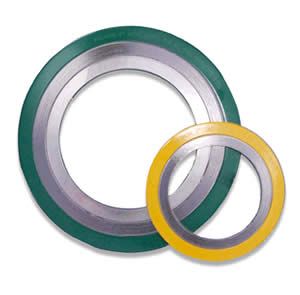
The unique property set of PTFE sheets makes them invaluable in numerous fields. In the chemical processing industry, they line vessels, cover flanges, and form gaskets, protecting equipment from corrosive media. The electrical and electronics industry relies on them for high-frequency circuit board substrates, coil insulators, and wire wrapping due to their stable dielectric constant. In automotive and aerospace, they are used as seals, bearings, and anti-stick surfaces in fuel systems and engines. The food and pharmaceutical sectors utilize FDA-compliant PTFE sheets for conveyor belts, slide surfaces, and parts requiring easy cleaning and sterilization. Even in architectural applications, they are used as low-friction bearing pads in bridges and large structures to allow for thermal expansion.