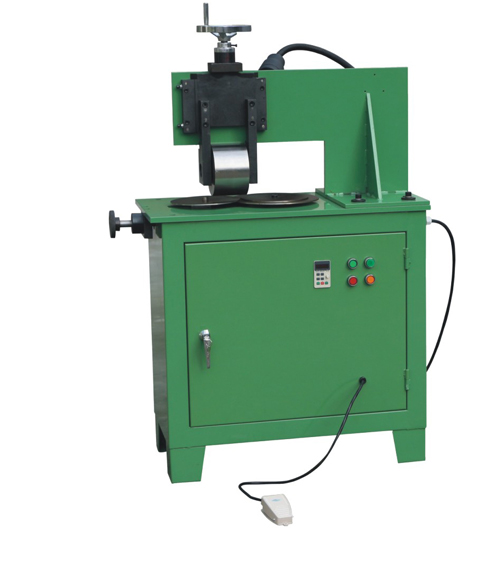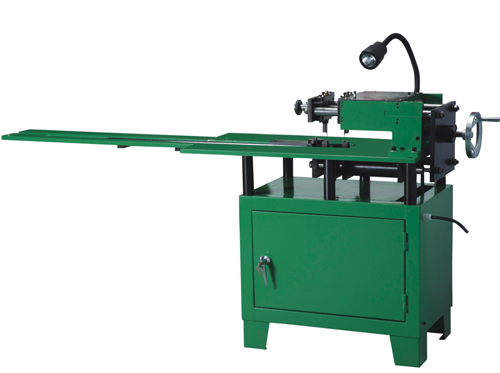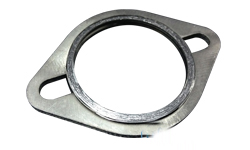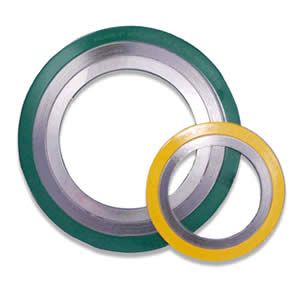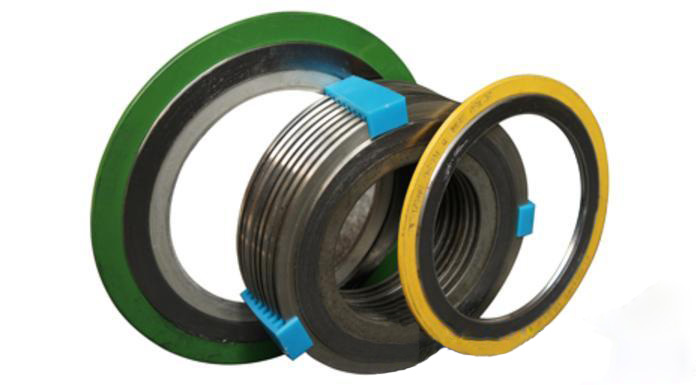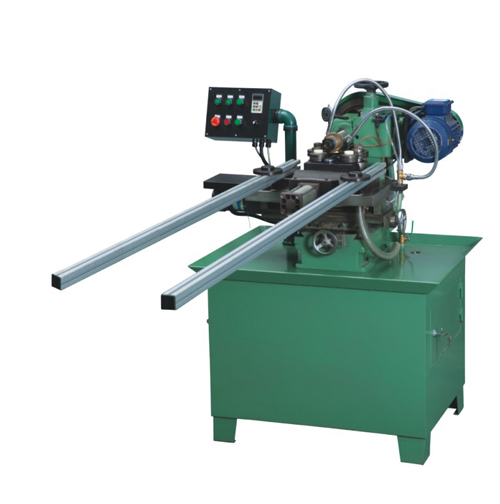
In the demanding world of industrial sealing, Machines for graphite reinforced gaskets represent the pinnacle of precision engineering. These specialized production lines are designed to transform high-quality raw materials—such as exfoliated graphite, stainless steel, or other metal cores—into reliable, high-performance sealing solutions used in critical applications across petrochemical, power generation, and heavy industrial sectors. At Kaxite, we have dedicated decades to refining the technology behind these machines, ensuring they deliver unparalleled consistency, efficiency, and output quality for gasket manufacturers worldwide.
The core challenge in producing graphite reinforced gaskets lies in achieving a perfect, uniform bond between the flexible graphite layer and its metal substrate under precisely controlled pressure and temperature. This requires more than just a standard press; it demands an integrated system of coordinated components. From advanced material feeding and precise cutting to controlled calendering and final stamping, every step must be executed with exacting standards to prevent defects like delamination, uneven density, or inconsistent sealing profiles. Kaxite's engineering philosophy centers on creating robust, automated systems that eliminate guesswork and variability, providing our clients with a definitive competitive edge in producing gaskets that meet API, ASME, and other international standards.
A complete production line from Kaxite is a symphony of integrated machinery. Each component plays a vital role in the transformation from raw material roll to finished, packaged gasket.
The following table outlines the standard specifications for a Kaxite mid-range production line, designed for high-volume manufacturing of spiral wound and other reinforced graphite gaskets. Specifications can be customized to suit specific production goals.
| Parameter | Specification | Notes / Impact |
|---|---|---|
| Max Production Width | 1500 mm | Determines maximum gasket OD or sheet size. |
| Calender Working Width | 1600 mm | Ensures full coverage and edge uniformity. |
| Laminating Pressure Range | 50 - 300 Tons (adjustable) | Critical for achieving required graphite density and adhesion strength. |
| Heating Plate Temperature | Ambient - 250°C (PID Controlled) | Optimizes graphite flow and bonding without degradation. |
| Stamping Press Force | 200 - 800 Tons (options available) | Dictates ability to cut thicker materials and complex multi-layer profiles. |
| Line Speed (Average) | 3 - 15 meters/minute | Variable speed allows optimization for different material combinations. |
| Power Requirement | 380V / 50Hz / 3 Phase (or to local standard) | Full installation and electrical compliance support provided. |
| Control System | Industrial PC with Siemens/Allen-Bradley PLC | Ensures reliability, precision, and easy integration with factory networks. |
| Overall Footprint (approx.) | Length: 18m x Width: 6m | Factory layout planning assistance is part of Kaxite's service. |
Investing in a Kaxite production line is an investment in long-term manufacturing excellence. Our machines are built for decades of reliable service.
Q: What types of graphite reinforced gaskets can be produced with Kaxite machines?
A: Kaxite production lines are highly versatile and can be configured to manufacture a wide range of gasket types. This includes standard sheet packing, spiral wound gasket filler material, jacketed gasket profiles, and kammprofile gasket sealing layers. The key is in the customizable tooling and programmable settings for pressure, temperature, and feed speed, which can be adapted for different core materials (304/316 stainless steel, carbon steel, various alloys) and graphite foil densities.
Q: How does the machine ensure consistent density of the graphite layer?
A: Consistency is achieved through our precision calendering system. The graphite and core material pass through a controlled nip between two heavy-duty, heated rollers. The pressure applied by these rollers is monitored and maintained by a closed-loop hydraulic system, ensuring it remains constant across the entire roll width. Simultaneously, the precisely controlled temperature allows the graphite to flow uniformly. This combination guarantees the output composite sheet has a density variation of less than ±3% across its area, which is critical for reliable sealing performance.
Q: What is the typical lead time for a new Kaxite production line, and what support is provided?
A: The lead time for a standard configured line is typically between 20 to 30 weeks from order confirmation to delivery FOB. This includes manufacturing, assembly, and comprehensive factory acceptance testing (FAT). Kaxite provides full commissioning support, which means our engineers will travel to your site to supervise installation, conduct operational training for your technicians and machine operators, and ensure the line performs to specification. We also offer comprehensive after-sales support with readily available spare parts and remote diagnostic assistance.
Q: Can the machine handle different adhesive systems for bonding graphite to metal?
A: Yes, Kaxite systems are designed for flexibility. The line can be equipped with an optional in-line adhesive application station. This station can apply a uniform layer of water-based, solvent-based, or phenolic resin adhesives to the core material before it enters the calender. The application method (roller, spray) and rate are precisely controlled by the main PLC. The subsequent calendering process then uses heat and pressure to fully cure the adhesive, creating a strong, thermally stable bond suitable for high-temperature service gaskets.
Q: How energy-efficient are these production lines, and what are the main utilities required?
A: Kaxite prioritizes energy efficiency in our designs. The main utilities required are three-phase electrical power for motors and controls, and plant steam or electrical energy for heating the calender rolls. Our machines use high-efficiency servo motors that consume power only during movement, unlike constantly running traditional motors. The heating system is insulated and uses PID controllers to maintain temperature with minimal energy fluctuation. While consumption varies with production speed and material, a typical line operates significantly more efficiently than older, non-integrated equipment, reducing the operational cost per gasket produced.
Q: What level of automation is possible, and can it integrate with our existing MES or ERP system?
A: Automation levels can range from semi-automatic (operator loads cores) to fully automatic, including robotic raw material handling and finished part palletizing. The Kaxite control system is built on open industrial communication protocols (such as OPC UA, Modbus TCP/IP, Profinet). This allows it to seamlessly exchange data with higher-level Manufacturing Execution Systems (MES) or Enterprise Resource Planning (ERP) software. You can monitor real-time production counts, machine status, and quality parameters remotely, and even automatically generate work orders and production reports based on machine data.