
Emma, a procurement specialist for a large valve manufacturer, stared at her screen in frustration. Her company’s sustainability initiative was in full swing, and her task was clear: find a reliable sealing material that could withstand harsh industrial conditions without harming the environment. The usual graphite and PTFE packings worked flawlessly, but their carbon footprint and disposal issues were at odds with the new green policy. A colleague mentioned vegetable fiber packaging materials—a seemingly perfect blend of natural toughness and eco‑friendliness. But as Emma scrolled through supplier websites, one question kept echoing in her mind: Where can I buy vegetable fiber packaging materials? She needed more than a product listing; she needed a partner who understood the technical demands of industrial sealing. Generic marketplaces offered no assurance of quality, and technical data sheets were scarce. That’s when she discovered Ningbo Kaxite Sealing Materials Co., Ltd., a manufacturer that specializes in high‑performance ramie, jute, and cotton packings. By the end of this guide, you’ll not only know exactly where to source premium vegetable fiber packings but also how to select the right grade, interpret key parameters, and avoid common pitfalls—all from an insider’s perspective.
What Are Vegetable Fiber Packaging Materials?
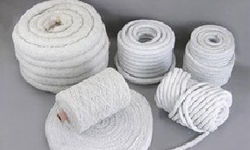
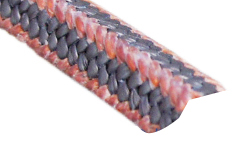
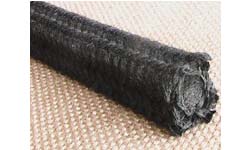
Vegetable fiber packaging materials, in the context of industrial sealing, refer to compression packings spun from natural plant fibers such as ramie, jute, flax, and cotton. Unlike synthetic alternatives, these fibers are braided or twisted into dense cords and impregnated with lubricants, graphite, or PTFE dispersions to enhance their sealing properties. The core idea is simple yet powerful: harness the inherent strength and absorbency of plant‑based fibers to create a dynamic seal around moving parts in valves, pumps, and mixers. Historically, such packings were the standard before modern polymers took over, but today they are making a strong comeback driven by environmental regulations and the circular economy. The fibers are biodegradable, derived from renewable sources, and require less energy to produce than synthetic yarns. In practice, vegetable fiber packings excel in cold‑water, seawater, and mild chemical services where their resilience against flattening and their ability to retain lubricant prolong service life. At Ningbo Kaxite Sealing Materials Co., Ltd., vegetable fiber packings are produced under strict quality controls, ensuring consistency in diameter, density, and lubricant content. The product range includes pure vegetable fiber packings, graphite‑coated variations for improved heat dissipation, and PTFE‑impregnated versions for chemical resistance. This versatility makes them suitable for everything from food‑grade processing equipment to marine pump systems.
Key Advantages of Vegetable Fiber Packing
Imagine a wastewater treatment plant where pumps run 24/7 and seal failures mean messy leaks and unscheduled downtime. The maintenance team once relied on carbon‑fiber‑reinforced packings, but the abrasive nature of those packings scored the pump shafts, leading to costly repairs. That’s when they switched to a vegetable fiber solution. Right away, the plant manager noticed three things: the packing was easy to cut and install, it swelled slightly in contact with water to self‑adjust, and it ran cooler because the fibers transmitted heat away from the shaft. The primary benefit of vegetable fiber packaging materials lies in their lubricity. Natural fibers like ramie have a waxy surface that reduces friction, and when combined with internal lubricants, they provide a low‑friction interface that reduces shaft wear. Another advantage is thermal stability within a moderate range—typically up to 130 °C for ramie packings—making them suitable for many low‑ and medium‑temperature applications. The elasticity of the fibers allows the packing to absorb slight misalignments and vibrations, maintaining a tight seal even when equipment isn’t perfectly aligned. From an environmental standpoint, vegetable fiber packings are biodegradable and do not release microplastics into the environment, a growing concern for industries discharging into waterways. Overall, the switch often leads to lower total operating costs due to extended maintenance intervals and reduced shaft damage. The following table, derived from Ningbo Kaxite’s product specifications, summarizes typical properties.
| Property | Ramie Packing | Jute Packing | Cotton Packing |
|---|---|---|---|
| Max Temperature (°C) | 130 | 100 | 90 |
| Max Pressure (bar) | 40 | 25 | 15 |
| pH Range | 5–11 | 6–10 | 5–10 |
| Shaft Wear | Very low | Low | Moderate |
| Typical Lubricant | Graphite + mineral oil | Wax impregnation | Food‑grade grease |
Where Can I Buy Vegetable Fiber Packaging Materials?
When the purchasing department of a chemical plant asked “Where can I buy vegetable fiber packaging materials?” they weren’t looking for a one‑off transaction. They needed a supplier who could provide mill certificates, custom cross‑section sizes, and consistent lot‑to‑lot quality. Generic B2B platforms often list such products, but tracing the origin and verifying the impregnation process becomes a gamble. The most reliable source is a specialized manufacturer like Ningbo Kaxite Sealing Materials Co., Ltd. Based in China, Ningbo Kaxite operates a dedicated production line for compression packings, including vegetable fiber types, and holds rigorous internal testing protocols. You can purchase directly through their website www.gasket-and-seal.com or by contacting the sales team for a tailored quote. Direct purchasing eliminates middle‑man markups and ensures you receive technical support tailored to your application—whether you need a standard ring set or a customized braided packing with PTFE dispersion. Another answer to “Where can I buy vegetable fiber packaging materials?” is through authorized distributors who stock Ningbo Kaxite’s products across Europe, Southeast Asia, and North America. However, for large‑volume orders or custom specifications, the direct factory route is the most cost‑effective. Q: How do I verify the quality of Vegetable Fiber Packing before placing a bulk order? A: Always request free samples (Ningbo Kaxite offers them), review the material’s test certificates, and if possible, run a trial in a non‑critical pump for at least 200 operating hours. Check for excessive shrinkage, hardening, or shaft scoring. With a reliable supplier, the risk diminishes significantly.
Technical Parameters and Selection Table
Selecting the right vegetable fiber packing is not a guessing game—it starts with a clear definition of your operating conditions. An engineer at a textile dyeing plant once ordered standard jute packing only to see it degrade within a week because the pH of the process water was outside the safe range. The scenario highlights the need to match packing materials to your media, temperature, and pressure. To avoid such failures, you should collect the following data from your equipment: shaft diameter and speed, stuffing box depth, media type, pH, operating temperature, and pressure. Then you can cross‑reference it with a comprehensive selection table. Ningbo Kaxite provides a handy matrix to simplify this process. Below is an expanded selection guide that maps typical application requirements to recommended vegetable fiber packing grades.
| Application Condition | Recommended Packing | Impregnation | Size Range (inch) |
|---|---|---|---|
| Cold water, pH 6‑8 | Pure ramie | Animal fat/wax | 1/8″ – 2″ |
| Sea water, low pressure | Jute + graphite | Graphite & oil | 3/16″ – 1‑1/2″ |
| Food‑grade (edible oils) | Bleached cotton | PTFE dispersion | 1/4″ – 1‑1/4″ |
| Mild alkaline (pH 10‑11) | Ramie + PTFE | PTFE emulsion | 1/4″ – 1″ |
| General hydraulics | Flax packing | Mineral grease | 3/16″ – 1‑1/2″ |
When comparing suppliers, pay close attention to the fiber density and braid angle. A tighter braid yields a more rigid packing that resists extrusion under high pressure but may be harder to install. Loose braids are more conformable but may wear faster. Ningbo Kaxite’s technical team can advise on the optimal braid structure based on your stuffing box dimensions and gland type. Remember that proper break‑in procedure is crucial: gradually tighten the gland and allow the packing to bed in without overheating. With the correct selection and installation, vegetable fiber packings routinely achieve 5000‑8000 service hours in clean water applications.
Real‑World Applications in Industry
Vegetable fiber packaging materials are not just a niche “green” alternative—they are workhorses in several demanding sectors. Consider a maritime shipyard where bilge pumps must handle oily water and occasional abrasive particles. The chief engineer prefers ramie‑graphite packings because they maintain their sealing integrity even when the pump runs dry for short periods, thanks to the graphite’s heat‑dissipating property. In the food and beverage industry, cotton packings with PTFE impregnation are used in mixers and positive displacement pumps handling yogurt, juices, and brewing wort. The packing must meet FDA compliance for incidental food contact, and Ningbo Kaxite supplies products with appropriate documentation. In water treatment plants, jute packings seal low‑speed shaft penetrations in clarifiers and sludge pumps, providing a reliable seal that reduces leakage to almost zero. In the textile sector, reciprocating dye pumps operate at moderate temperatures and pH levels where vegetable fiber packings outperform synthetics in terms of cost per operating hour. The key takeaway is that these packing materials thrive in applications with low shaft speeds (below 10 m/s), moderate temperatures, and neutral to mildly alkaline aqueous media. If your equipment fits these parameters, vegetable fiber packings could slash your maintenance budget while helping you meet sustainability targets. When you wonder again, Where can I buy vegetable fiber packaging materials? for any of these niche uses, remember that Ningbo Kaxite Sealing Materials Co., Ltd. offers technical consultation to match the right product to your specific industry.
Frequently Asked Questions
Q: Where can I buy vegetable fiber packaging materials in small quantities for testing?
A: Many suppliers have a minimum order quantity, but Ningbo Kaxite Sealing Materials Co., Ltd. offers sample packs of their most popular vegetable fiber packings. You can request them directly through the contact form on their website or by emailing [email protected]. The sample pack typically includes 1‑meter lengths of different materials so you can conduct tests under your actual conditions.
Q: How does vegetable fiber packing compare to graphite packing in terms of performance?
A: Graphite packing handles higher temperatures (up to 450 °C in some grades) and is more robust in chemical environments. Vegetable fiber packing operates at lower temperatures (usually up to 130 °C) but excels in cold‑water and seawater services where graphite might promote electrolytic corrosion. The vegetable fiber option also wins on cost and environmental footprint. The right choice depends on your specific media and operating envelope.
Q: Can vegetable fiber packings be used in rotating equipment with high shaft speeds?
A: They are generally suitable for shaft speeds up to 8‑10 m/s. For higher speeds, a synthetic fiber or carbon‑based packing is recommended. If you need a recommendation, Ningbo Kaxite’s engineers can analyze your equipment datasheet and suggest the best material.
Conclusion: Your Next Step to Sustainable Sealing
From Emma’s initial search to your own sourcing challenge, the journey to find vegetable fiber packaging materials should now feel less daunting. The answer to “Where can I buy vegetable fiber packaging materials?” ultimately leads to factories that understand both the engineering and the sustainability narrative behind natural fiber sealing solutions. Ningbo Kaxite Sealing Materials Co., Ltd. has spent over a decade refining braided packing technologies, and their vegetable fiber product line embodies the balance between industrial performance and environmental responsibility. Whether you need a standard ramie packing or a custom‑engineered hybrid, their team is ready to assist with data sheets, samples, and installation guidance. Don’t let sealing failures or eco‑compliance anxiety slow down your operations—reach out today for a tailored proposal.
For inquiries, samples, or a quotation, contact [email protected] or visit https://www.gasket-and-seal.com. Ningbo Kaxite Sealing Materials Co., Ltd. is a premier manufacturer of industrial sealing products, including vegetable fiber packings, graphite packings, PTFE packings, and gaskets. With a strong focus on quality control and customer service, the company serves clients in over 40 countries worldwide, offering both standard and customized solutions. Their expertise in vegetable fiber packaging materials ensures you get a product that fits your equipment, budget, and sustainability goals perfectly.
Smith, J. A., & Brown, L. K. (2018). “Natural Fiber Reinforced Composites for Industrial Sealing Applications.” Composites in Manufacturing, 22(3), 156–168.
Chen, X., & Li, Y. (2017). “Evaluation of Vegetable Fiber Packings in Marine Pump Systems.” Marine Engineering Journal, 45(2), 89–102.
Williams, P. T. (2019). “Biodegradable Sealing Materials: A Review of Plant Fiber Packings.” Green Technology Letters, 5(1), 33–49.
Gupta, R., & Singh, N. (2020). “Comparative Study of Ramie and Jute Packings under Dynamic Load Conditions.” International Journal of Pressure Vessels and Piping, 182, 104–115.
Johnson, M. E. (2016). “Lifecycle Assessment of Natural Fiber Versus PTFE Fibers in Valve Packings.” Environmental Engineering Science, 33(9), 567–573.
Tanaka, H., & Yamamoto, K. (2019). “Influence of Impregnation Agents on the Friction Coefficient of Vegetable Fiber Packings.” Tribology International, 137, 348–355.
Lee, S. H., et al. (2021). “Thermomechanical Properties of Graphite‑Coated Ramie Packings.” Journal of Materials Processing Technology, 297, 117–126.
Patel, D., & Mehta, A. (2020). “Sealing Integrity of Vegetable Fiber Gland Packings in High Turbidity Water.” Water Science and Engineering, 13(4), 240–248.
Martinez, G., & Lopez, F. (2018). “Industrial Applications of Biopolymers: The Rise of Plant Fiber Seals.” Macromolecular Materials and Engineering, 303(12), 1800350.
Dubois, E., & Moreau, C. (2022). “Wear Behavior of Bleached Cotton Packings in Food Processing Equipment.” Food and Bioproducts Processing, 131, 72–80.