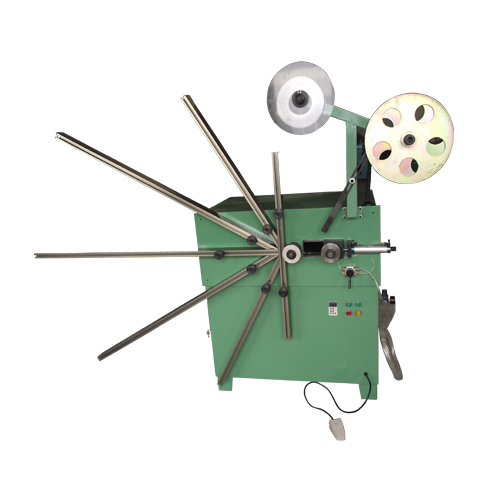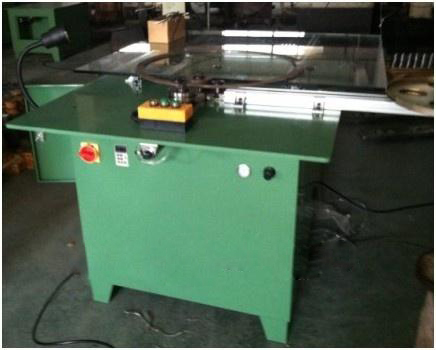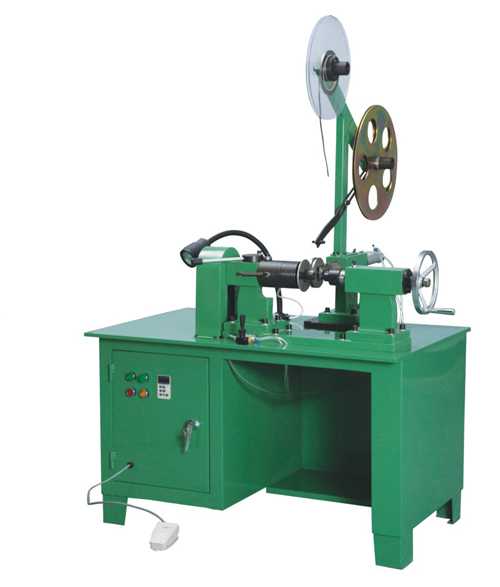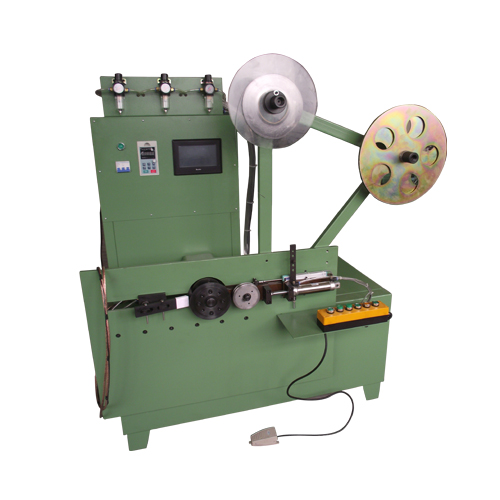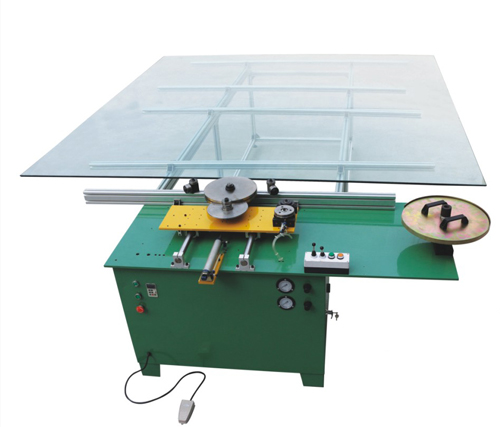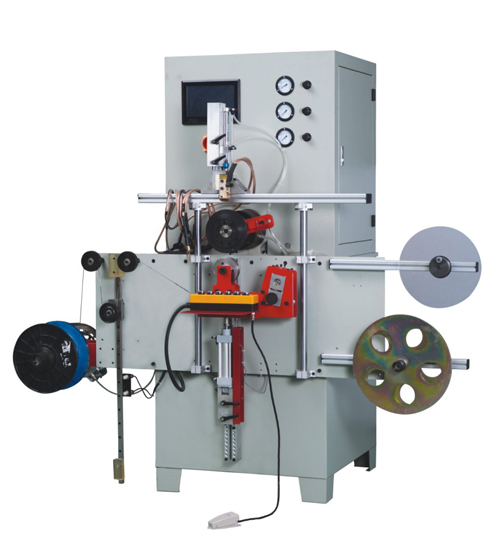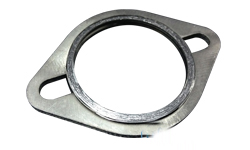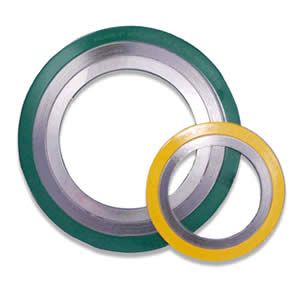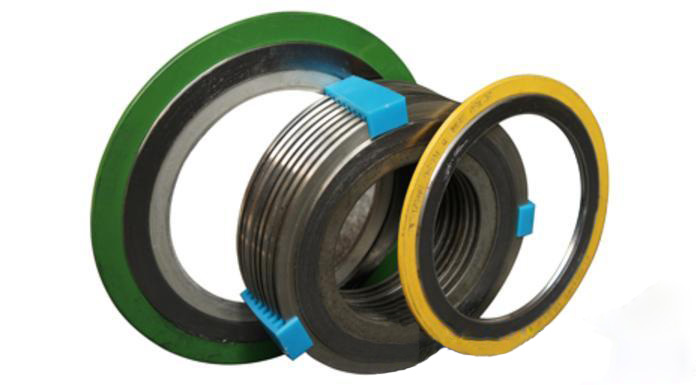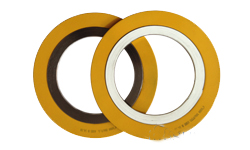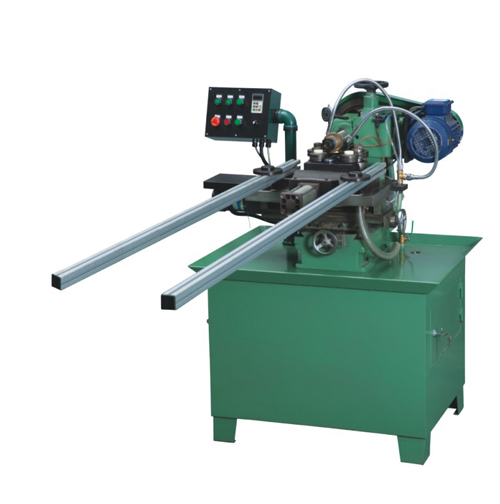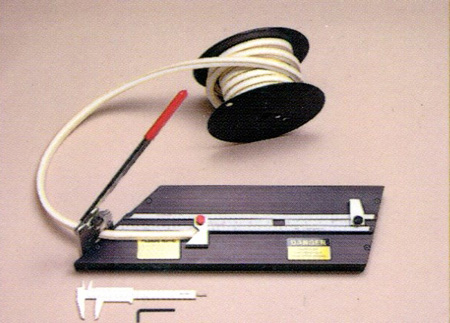
In the world of industrial sealing, where the integrity of pipelines, pressure vessels, and flanged connections is paramount, the spiral wound gasket stands as a cornerstone of safety and reliability. Its unique construction, alternating layers of pre-formed metal windings and non-metallic filler material, provides exceptional resilience and sealing performance under extreme temperatures and pressures. However, the quality of the gasket is intrinsically linked to the precision of the machine that creates it. Superior gaskets are not merely assembled; they are engineered with exacting consistency by advanced, purpose-built machinery. This definitive guide explores the critical role, technical specifications, and operational considerations of professional-grade Machines For Spiral Wound Gaskets, highlighting the engineering excellence behind the Kaxite product line.
A modern spiral winding machine is a symphony of mechanical and control systems working in unison. Understanding its core components is key to appreciating its capability:
Selecting the right machine requires a deep dive into its specifications. The following table outlines the standard and advanced capabilities found in the Kaxite series, designed to meet diverse production needs from standard ASME B16.20 gaskets to custom-engineered seals.
| Specification Category | Standard Model (KX-SW200) | High-Performance Model (KX-SW500) | Notes & Impact on Production |
|---|---|---|---|
| Gasket Size Range (OD) | 15 mm to 2000 mm | 10 mm to 3000 mm | Defines the market applicability. The KX-SW500 handles larger, more specialized industrial gaskets. |
| Metal Strip Width Range | 2.0 mm to 4.5 mm | 1.5 mm to 6.0 mm | Determines the gasket's cross-sectional profile and pressure rating capability. Wider strips generally for higher pressures. |
| Mandrel Rotation Speed | 0-50 RPM (variable) | 0-120 RPM (variable) | Higher RPM increases production output for high-volume orders while maintaining precision. |
| Winding Pitch Control | 0.8 mm - 3.2 mm | 0.5 mm - 5.0 mm | Critical for gasket density and compression characteristics. Finer control allows for optimized sealing for specific media and pressures. |
| Control System | PLC with Color HMI | Advanced CNC with 10" Touchscreen, USB Data Export | Advanced controls reduce setup time, minimize human error, and ensure perfect reproducibility for quality certification. |
| Power Requirements | 3-Phase, 380V, 5.5 kW | 3-Phase, 380V, 11 kW | Ensures sufficient torque for winding high-strength alloys like Inconel or Titanium. |
| Machine Footprint (LxW) | 2.8m x 1.5m | 3.5m x 1.8m | Important for factory floor planning. Both Kaxite models are designed for robust, space-efficient operation. |
Beyond basic specs, several performance parameters are non-negotiable for producing ASME- and ISO-compliant gaskets:
Q: What is the primary advantage of using a dedicated spiral winding machine over manual or semi-automatic methods?
A: The primary advantages are precision, consistency, and traceability. A dedicated CNC machine like those from Kaxite eliminates human variability in winding tension, pitch, and diameter control. Every gasket produced is identical to the last, which is critical for obtaining pressure equipment certifications and ensuring leak-free performance in the field. It also dramatically increases production speed and reduces material waste from off-spec products.
Q: How do I determine the correct winding pitch and density settings for a specific application?
A: The optimal settings are dictated by the service conditions: fluid media, temperature, pressure (especially pressure cycling), and flange type/surface finish. Standard ASME B16.20 gaskets have recommended densities. For custom applications, engineers often start with the filler material manufacturer's guidelines and may perform prototype testing. The programmable memory in a Kaxite machine allows you to save and recall the perfect recipe for each specific job, ensuring repeatability.
Q: Can one machine produce gaskets with both inner and outer guide rings (centering rings)?
A: Yes, but it requires additional attachments. A basic spiral winding machine produces the core wound element. To attach outer (and sometimes inner) guide rings, which are critical for gasket alignment and preventing over-compression, you need a separate ring-seaming station or an integrated robotic arm. Many manufacturers, including Kaxite, offer these as modular add-ons to create a complete production cell.
Q: What are the most common maintenance requirements for these machines?
A: Regular maintenance is straightforward but essential. Key tasks include lubricating guide rails and bearings, checking and calibrating tension sensors, inspecting cutting blades for wear, and ensuring the mandrel and feed guides are clean from filler dust or metal debris. A robust machine design, like that of Kaxite equipment, minimizes points of wear and simplifies routine upkeep to ensure decades of reliable service.
Q: How important is the control system's software, and can it be updated?
A: The software is as crucial as the mechanical hardware. Modern CNC systems provide intuitive programming, error diagnostics, production counters, and data logging for quality audits. The ability to update software is vital; it allows the manufacturer to add new features, improve algorithms, and enhance compatibility with new materials or standards. Kaxite provides lifetime software support and periodic updates to its customers.
Q: What training and support should I expect from the machine supplier?
A: Comprehensive training is non-negotiable. A reputable supplier should offer on-site installation and training for your operators and maintenance technicians, covering machine operation, programming, routine maintenance, and basic troubleshooting. They should also provide detailed manuals, wiring diagrams, and a responsive technical support line. Kaxite's global support network ensures expert assistance is available whenever needed.
The decision to invest in a professional spiral wound gasket machine is an investment in the quality and reputation of your sealing products. It moves production from a craft to a controlled engineering process. By prioritizing specifications such as precision, control sophistication, material versatility, and builder support, manufacturers can ensure they are equipped to meet the most demanding market requirements. The machinery forms the foundation upon which reliable, certification-ready spiral wound gaskets are built, serving critical industries from oil and gas to pharmaceuticals and power generation with uncompromising safety and performance.