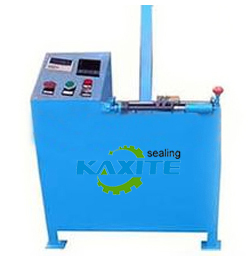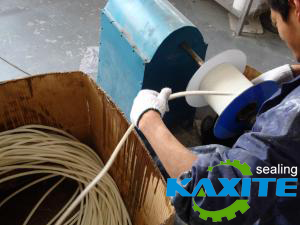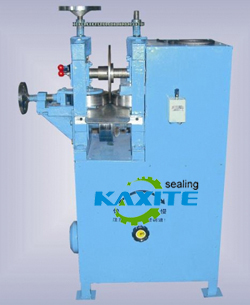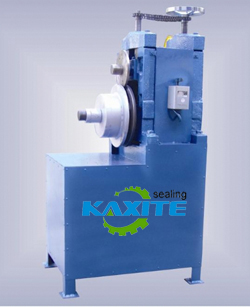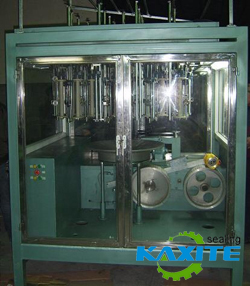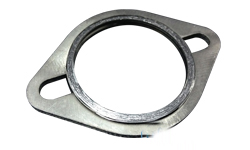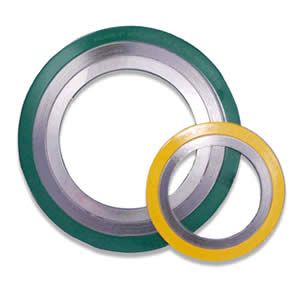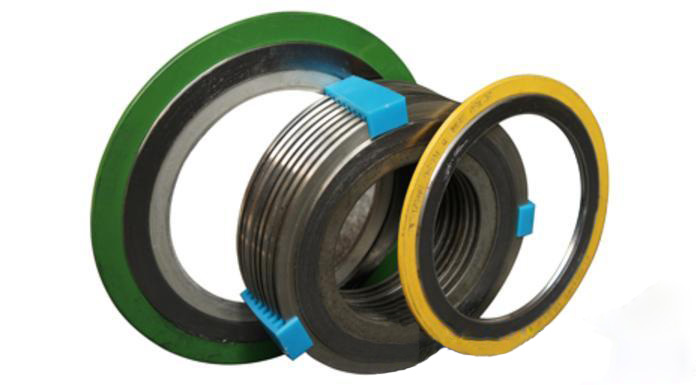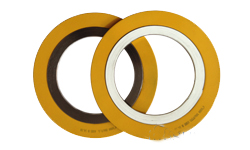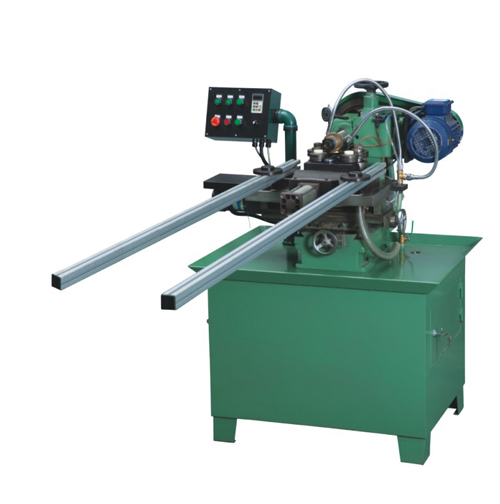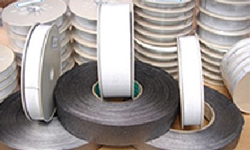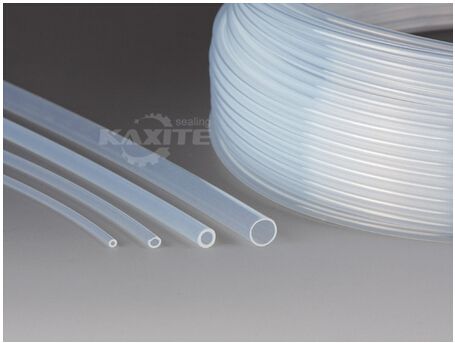

In today's fast-paced industrial and commercial landscapes, efficiency, reliability, and product integrity are non-negotiable. At the heart of maintaining these standards lies a critical piece of equipment: the Sealing Machines. For over two decades, Kaxite has been at the forefront of engineering and manufacturing sealing solutions that meet the rigorous demands of diverse sectors, from food and pharmaceuticals to chemicals and electronics. A high-performance sealing machine is more than just a tool; it's a guarantee of freshness, safety, and durability for your products. This comprehensive guide delves into the technical specifications, types, and applications of modern sealing machines, showcasing why Kaxite's precision engineering sets the industry benchmark.
Understanding the technical specifications is crucial for selecting the right sealing machine for your operational needs. Kaxite designs its machines with versatility and robustness in mind. Below are the detailed parameters that define our product line.
| Parameter | Range / Specification | Description |
|---|---|---|
| Sealing Method | Heat Seal, Impulse Seal, Continuous Seal, Vacuum Seal | Determines the mechanism used to fuse packaging materials. Kaxite offers all major types for different materials and speeds. |
| Sealing Length | 100mm - 1000mm (Customizable) | The maximum length of the seal that can be created in a single operation. |
| Sealing Width | 2mm - 15mm | The width of the sealed area, affecting the strength and barrier properties of the seal. |
| Power Supply | 110V/60Hz, 220V/50Hz, 380V/50Hz | Configurable to match regional electrical standards for global operation. |
| Heating Element Power | 300W - 2000W | Higher wattage allows for faster heating and sealing of thicker materials. |
| Production Speed | Up to 60 seals per minute | Varies by model; automated systems offer the highest throughput. |
| Compatible Materials | Polyethylene (PE), Polypropylene (PP), Foil Laminates, Polyester, Nylon | Kaxite machines are tested with a wide array of common packaging films and laminates. |
| Machine Dimensions (LxWxH) | Varies by model (e.g., 400x300x250mm to 1200x800x1000mm) | Compact benchtop units to large conveyor-based systems available. |
| Control System | Digital PID Temperature Controller, PLC with Touchscreen | Precise temperature and timing control for consistent, high-quality seals. |
| Cooling System | Air Cooling, Water Cooling (Optional) | Ensures seal integrity and allows for immediate handling post-sealing. |
Kaxite provides a comprehensive portfolio to address specific packaging challenges. Selecting the correct type is essential for operational efficiency.
Q: What factors should I consider when choosing a sealing machine?
A: Selecting the right machine depends on several key factors: the type of packaging material you use (e.g., plastic film, laminate, foil), your required production speed (manual vs. automatic), the seal strength needed for your product, the operating environment (food-grade, sterile, etc.), and your available budget for both initial investment and long-term operation. Kaxite’s technical team can help you analyze these factors to recommend the perfect model.
Q: Can one sealing machine handle different types of packaging materials?
A: Many Kaxite sealing machines, especially hot bar and impulse sealers, are highly versatile. By adjusting the temperature, pressure, and dwell time settings, they can effectively seal a range of thermoplastic materials like PE, PP, and certain laminates. However, for materials with vastly different melting points or for specialized applications like induction sealing, a dedicated machine is often recommended for optimal results and efficiency.
Q: How do I maintain my Kaxite sealing machine to ensure its longevity?
A: Regular maintenance is simple but crucial. Daily: Clean the sealing jaws or band with a soft cloth and isopropyl alcohol to remove residue. Weekly: Check for wear on Teflon-coated strips or sealing bands and replace them if damaged. Periodically: Inspect electrical connections and ensure all moving parts are properly lubricated as per the user manual. Always follow the specific maintenance schedule provided in your Kaxite machine documentation.
Q: Why is my seal weak or not forming properly?
A: Weak seals can stem from several issues. The most common are incorrect temperature (too low doesn't melt the film, too high can burn it), insufficient pressure from the sealing jaws, inadequate sealing time (dwell time), or using a machine not suited for the material's thickness. Contamination on the sealing surface (product residue, dust) can also prevent a strong bond. Start by verifying and calibrating your temperature, pressure, and time settings against the material manufacturer's recommendations.
Q: What is the difference between a vacuum sealer and a regular heat sealer?
A: A regular heat sealer (like an impulse or hot bar sealer) simply fuses the open end of a bag or pouch. A vacuum sealer performs two functions: first, it extracts the air from inside the package using a vacuum pump; second, it hermetically seals the package. This removal of oxygen is what dramatically extends shelf life and prevents freezer burn, making vacuum sealers essential for food preservation and protecting sensitive components from oxidation.
Q: Are Kaxite sealing machines suitable for food-grade or pharmaceutical applications?
A> Absolutely. Kaxite manufactures a range of sealing machines designed to meet stringent hygiene and safety standards. These models feature food-grade stainless steel contact surfaces, easy-clean designs with minimal crevices, and can often be configured with specialized sealing elements for sterile environments. It is important to specify your industry requirements when consulting with Kaxite to ensure you receive a machine that complies with relevant regulations (e.g., FDA, CE standards).
Q: Can I integrate a Kaxite sealer into my existing automated packaging line?
A> Yes. Kaxite offers a variety of conveyor sealers, automatic bag placers, and robotic integration-ready models designed for seamless inline operation. Our technical support team can work with you to understand your line's specifications (conveyor speed, interface protocols, spatial constraints) and provide a sealing solution that integrates smoothly, enhancing your overall packaging automation.
Q: What kind of warranty and support does Kaxite provide?
A> Kaxite stands behind the quality and durability of its sealing machines. We typically offer a standard warranty covering parts and workmanship for 12 to 24 months, depending on the model. Additionally, we provide comprehensive customer support including detailed operation manuals, video tutorials, access to spare parts, and technical assistance via phone or email. For complex installations, on-site service can be arranged.
The versatility of sealing machines makes them indispensable in numerous fields. Kaxite's solutions are engineered to deliver reliability in each of these demanding environments.