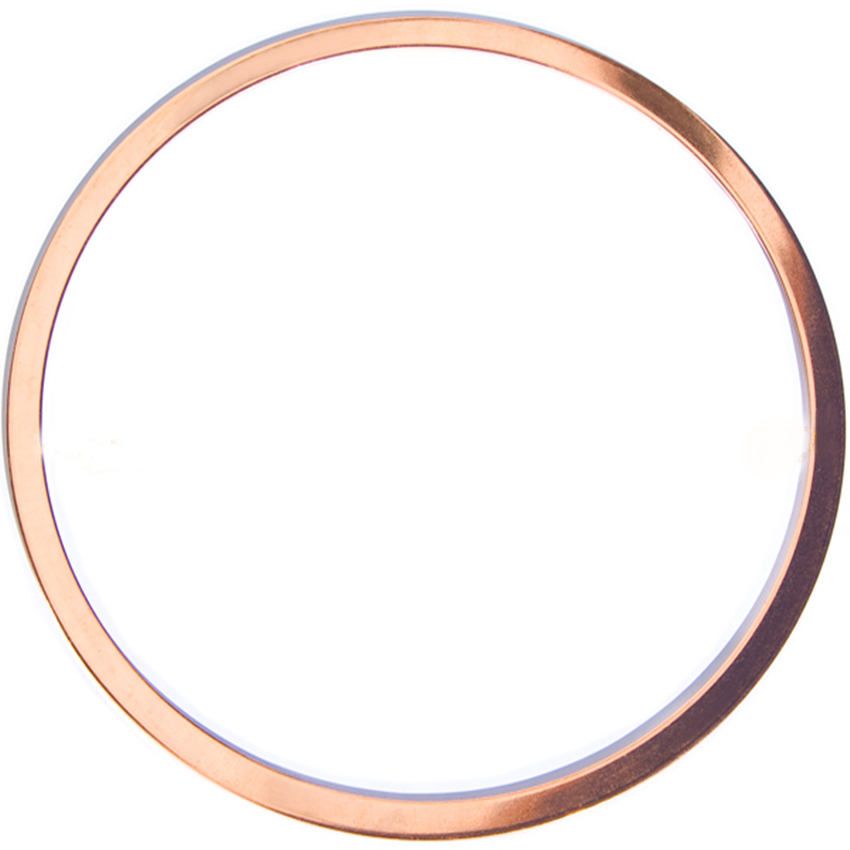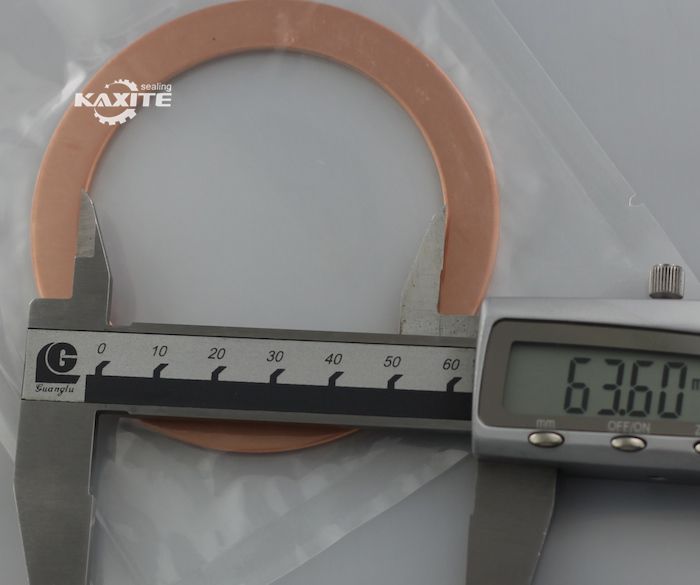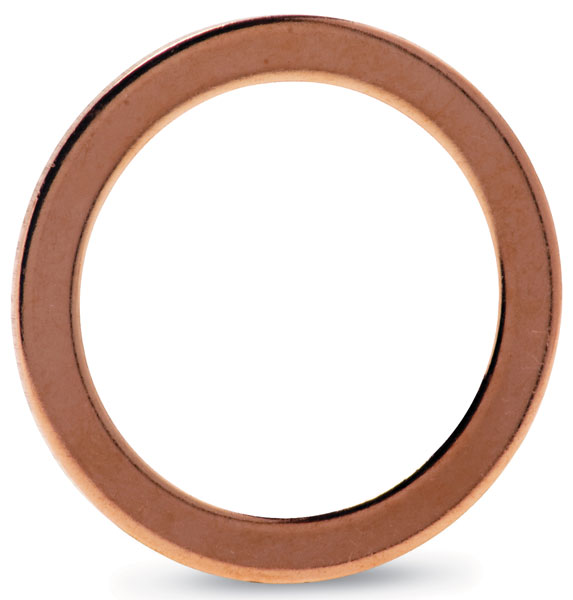
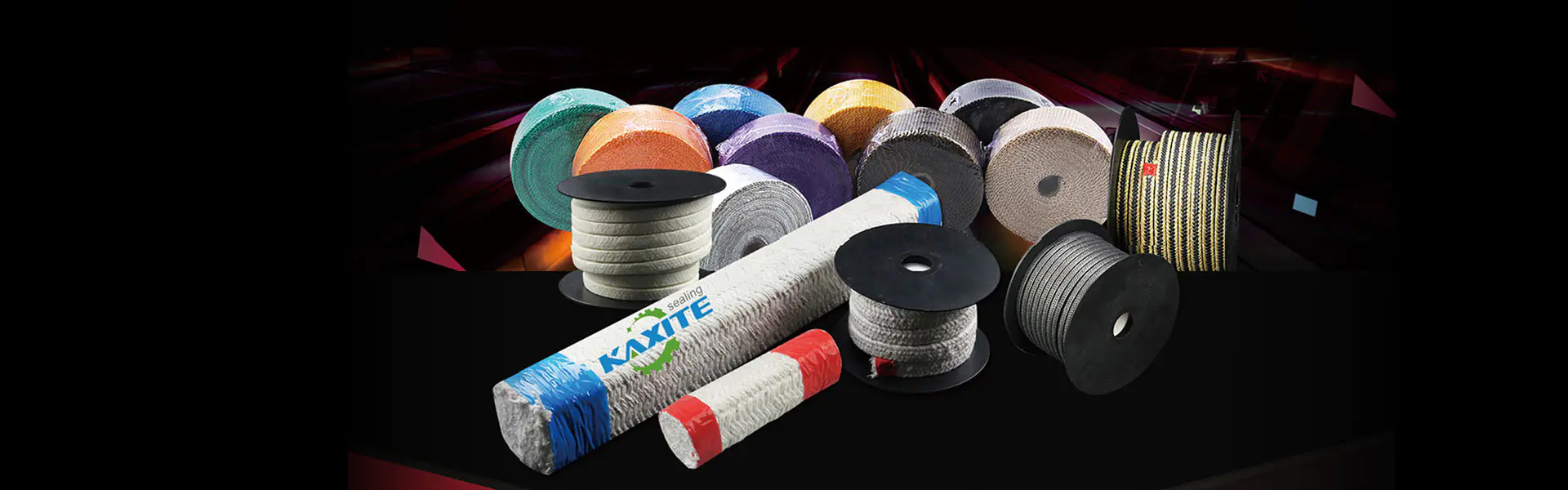
In industries where reliability is non-negotiable, the choice of sealing component is critical. Copper gaskets stand out as a premier solution for applications involving high temperatures, extreme pressures, and corrosive environments. At Kaxite, we engineer our copper gaskets to meet the most rigorous standards, ensuring a leak-free seal that maintains integrity under sustained operational stress. Our commitment to precision manufacturing and material purity guarantees a product that performs consistently, project after project.
Copper's inherent properties—excellent thermal conductivity, malleability, and corrosion resistance—make it an ideal material for gaskets in sectors like automotive, aerospace, manufacturing, and plumbing. A Kaxite copper gasket deforms perfectly to create a tight, conforming seal between flanged surfaces, compensating for minor imperfections and preventing fluid or gas escape. This guide details our product specifications, helping you select the optimal gasket for your specific requirements.
Our gaskets are manufactured from high-grade, annealed copper, known for its softness and excellent sealing capabilities. Below are the key parameters that define our product range.
Kaxite offers a comprehensive range of sizes and profiles. Custom geometries are available upon request.
| Gasket Type | Standard Inner Diameter (ID) Range | Standard Outer Diameter (OD) Range | Standard Thickness (T) | Common Applications |
|---|---|---|---|---|
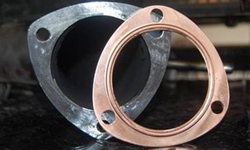
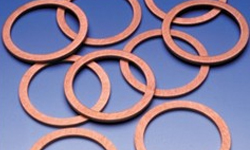
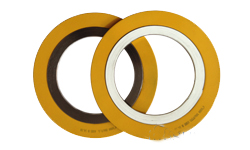
| Flat Ring Gasket | 5 mm to 500 mm | 15 mm to 600 mm | 0.5 mm, 0.8 mm, 1.0 mm, 1.5 mm, 2.0 mm | General flange sealing, hydraulic fittings, pipe connections. |
| RF (Raised Face) Gasket | 15 mm to 300 mm (Nominal Bore) | Matches ASME B16.21 facings | 1.5 mm, 3.0 mm | ASME/ANSI flanges, pressure vessel manways, pump housings. |
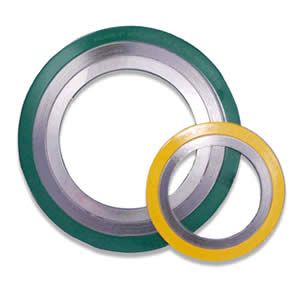
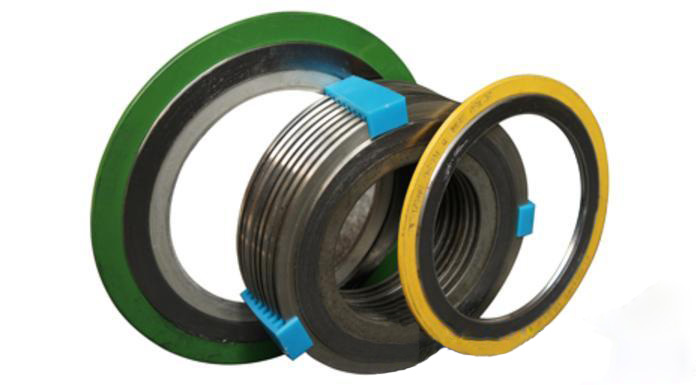
| Spiral Wound (with Copper Filler) | 25 mm to 600 mm (Nominal Pipe Size) | Per ASME B16.20 / EN 1514-1 | 4.5 mm (Standard) | High-pressure/temperature steam lines, heat exchangers, refinery piping. |
| O-Ring (Copper Wire) | 1 mm to 100 mm (Cross-Section) | Custom Loops | Wire Diameter: 1 mm to 5 mm | Static seals in vacuum systems, fuel injectors, high-temperature ovens. |
| Performance Characteristic | Test Standard / Condition | Typical Kaxite Gasket Value |
|---|---|---|
| Pressure Rating | Maximum Suggested Sealing Pressure | Up to 1,500 PSI (100 bar) for flat ring types. Higher for confined designs. |
| Corrosion Resistance | Exposure to moisture, non-oxidizing acids, steam | Excellent. Forms a protective patina. Not recommended for strong ammonia or oxidizing acids. |
| Compression Set | ASTM F36 @ 75% compression, 24h, 100°C | < 20% |
| Sealing Surface Finish Recommendation | Flange Face Condition | 125 to 250 µin Ra (3.2 to 6.3 µm Ra) for optimal sealing. |
| Industry Standards | Compliance | Manufactured to meet relevant aspects of ASME B16.20, B16.21, ASTM B152, and ISO 9001:2015 quality systems. |
What are the primary advantages of using a copper gasket?
Copper gaskets offer a unique combination of high thermal conductivity, excellent malleability, and good corrosion resistance. Their softness allows them to flow into microscopic imperfections on flange faces, creating a superior metal-to-metal seal that is effective against fluids and gases, even under high-temperature conditions where non-metallic gaskets would fail.
When should I choose a copper gasket over other materials like rubber or graphite?
Choose copper gaskets for high-temperature applications (above 200°C/400°F), for sealing in oxidizing environments (like oxygen lines), in vacuum systems where outgassing is a concern, or for electrical grounding purposes. Avoid rubber for high heat and graphite in strongly oxidizing atmospheres. Copper is ideal where a soft, conformable metal seal is required.
Are Kaxite copper gaskets reusable?
Typically, copper gaskets are considered one-time-use sealing components. During installation, the annealed copper deforms (cold flows) to match the flange surfaces. Upon disassembly, this deformed shape is specific to that joint, and reusing the gasket may not provide a reliable seal. For critical applications, Kaxite always recommends installing a new gasket.
What is the proper installation torque for a copper flat ring gasket?
There is no universal torque value, as it depends on flange size, bolt grade, number of bolts, and gasket thickness. The correct method is to follow a bolt torque pattern (e.g., star pattern) and tighten in incremental steps to a final torque value calculated based on the required gasket seating stress. For our standard 1.5mm thick flat ring gaskets, a common target gasket stress is in the range of 10,000 to 20,000 PSI. Consult engineering guidelines or contact Kaxite support for specific recommendations.
Can Kaxite copper gaskets be used in food-grade or potable water applications?
Our standard C11000 copper is a pure material. However, for direct, prolonged contact with potable water, local regulations should be checked regarding copper content. For food-grade applications, specific certifications may be required. We can supply gaskets made from certified materials upon request for such uses.
How do I prevent galvanic corrosion when using a copper gasket between steel flanges?
Galvanic corrosion occurs when dissimilar metals are in electrical contact within an electrolyte (like water). While copper and steel are somewhat dissimilar, in many dry or oil-based systems, the risk is low. For wet applications, applying a suitable antiseize compound or a thin coating of waterproof grease on the gasket faces can isolate the metals and significantly reduce galvanic action. Ensuring the flanges are properly coated or plated also helps.
What is the lead time for custom-sized or non-standard shape copper gaskets?
Kaxite prides itself on flexible manufacturing. Lead times for custom orders vary based on complexity and quantity. Simple custom diameters or thicknesses from our standard coil stock can often be shipped within 5-7 working days. For complex CNC-machined profiles or very large sizes, please contact our sales team with your drawing for an accurate quote and production schedule.
Why does Kaxite use annealed copper instead of a harder temper?
Annealing removes internal stresses and makes the copper soft and highly ductile. This malleability is essential for the gasket to compress and flow into the sealing surfaces, ensuring a tight, leak-free joint. Harder tempers would not conform as well, requiring significantly higher bolt loads and risking flange damage or poor sealing.
Do you offer copper gaskets with coatings or platings?
Yes, Kaxite can provide various surface treatments. Common options include tin plating (which improves corrosion resistance and reduces friction during installation) and nickel plating (for enhanced resistance to oxidation and higher temperatures). These platings can also help mitigate galvanic corrosion in specific couples.
How should I store Kaxite copper gaskets to prevent damage or oxidation?
Store gaskets in a cool, dry environment away from moisture and corrosive fumes. Keep them in their original packaging until use to prevent scratches, dents, or contamination. While a natural copper oxide patina (tarnish) does not significantly impair sealing performance, excessive corrosion or physical damage will. Proper storage ensures optimal performance when installed.