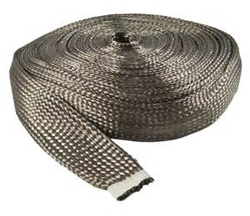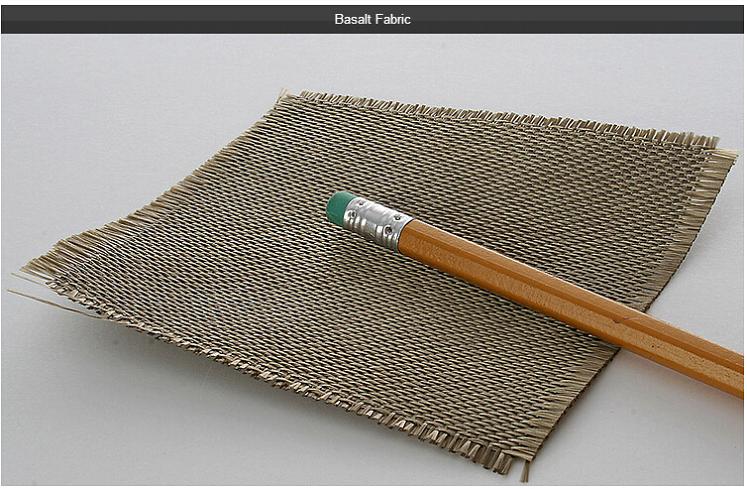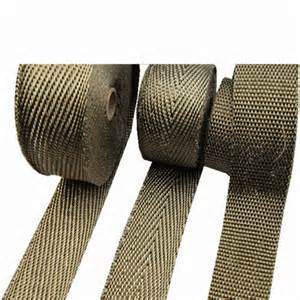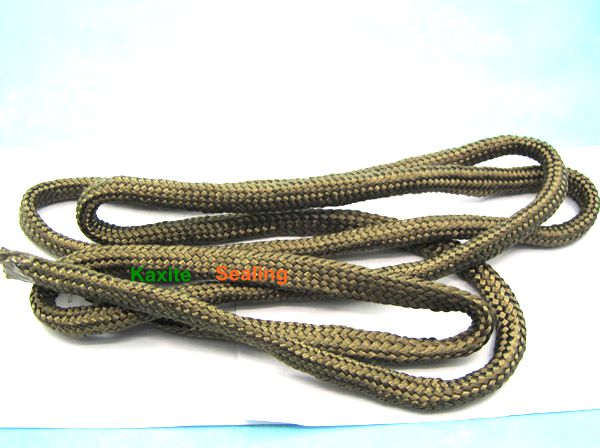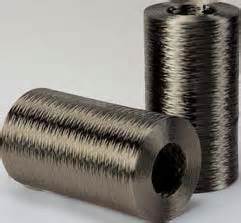
In the evolving landscape of advanced composite materials, one name stands out for its exceptional combination of strength, durability, and environmental sustainability: Basalt Fiber. At Kaxite, we are at the forefront of manufacturing and supplying premium-grade basalt fiber products that meet the rigorous demands of modern industry. This guide delves deep into what makes basalt fiber a superior choice, its technical specifications, and its diverse applications.
Manufactured by melting quarried basalt rock, this continuous fiber offers a remarkable alternative to traditional materials like fiberglass and carbon fiber. Its unique properties stem directly from its volcanic origin, resulting in a material that is not only high-performing but also inherently green. Kaxite's proprietary production process ensures consistent quality, optimal filament diameter, and enhanced bonding characteristics for composite applications.
Kaxite Basalt Fiber distinguishes itself through a suite of physical and chemical properties that outperform many conventional reinforcements.
Our product line is engineered to precise standards. Below are the detailed specifications for our standard continuous basalt fiber roving.
| Property | Standard Value | Test Method / Notes |
|---|---|---|
| Filament Diameter | 9 - 23 µm | Customizable per application |
| Density | 2.65 - 2.80 g/cm³ | ASTM D792 |
| Tensile Strength | 3000 - 4840 MPa | ASTM D2343 |
| Elastic Modulus | 85 - 110 GPa | ASTM D2343 |
| Elongation at Break | 3.0 - 3.2 % | ASTM D2343 |
| Softening Point | ~ 700 °C | |
| Operating Temperature Range | -260 °C to +700 °C | Continuous use |
| Aspect | Performance | Comparison Benchmark |
|---|---|---|
| Alkali Resistance (pH 12-14) | High. Retains over 85% strength after exposure. | Significantly better than E-glass. |
| Acid Resistance | Good resistance to most acids except concentrated phosphoric & hydrofluoric. | Superior to glass fibers. |
| Moisture Absorption | < 0.1% | Lower than glass fibers. |
| Thermal Conductivity | 0.031 - 0.038 W/m·K | Excellent insulating property. |
| Dielectric Constant | 2.5 - 3.0 (at 1 MHz) | Effective electrical insulator. |
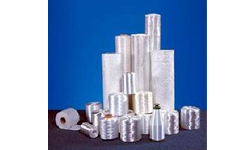
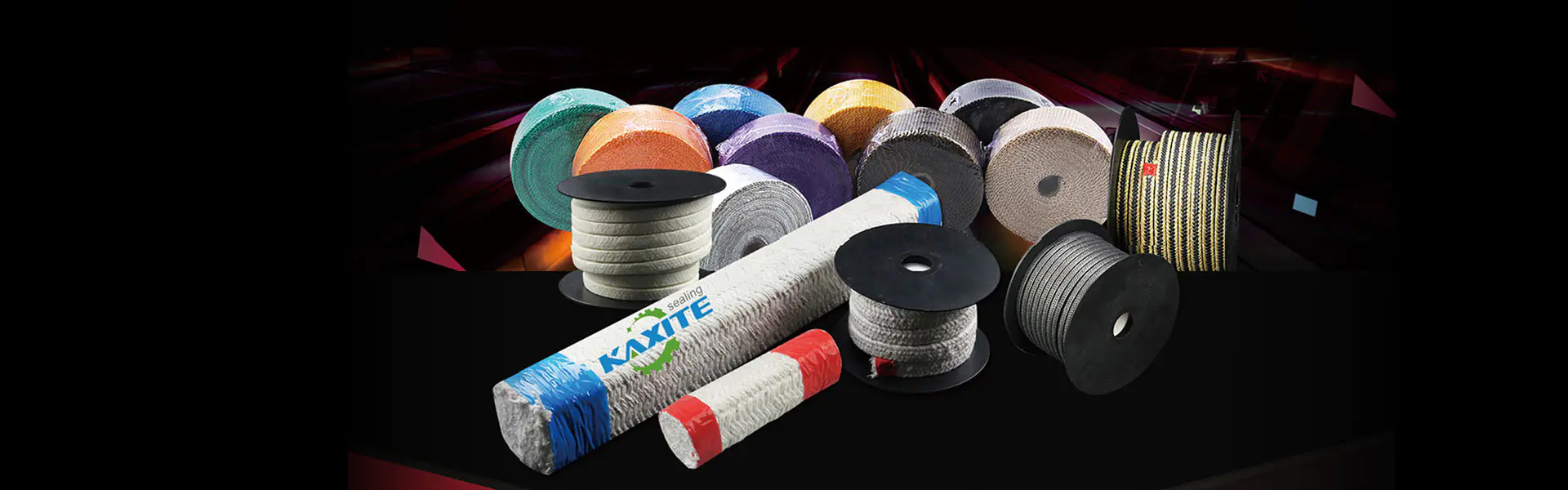
Kaxite Basalt Fiber is versatile and available in multiple forms to suit various manufacturing processes:
The unique property profile of Kaxite Basalt Fiber makes it ideal for a wide array of demanding sectors.
Basalt fiber is made from a single raw material: natural volcanic basalt rock. The rock is crushed, washed, and melted at approximately 1500°C. The molten lava is then extruded through specialized platinum-rhodium bushings to create continuous filaments. No chemical additives are used in the process, making it a simple and clean manufacturing cycle.
Basalt fiber generally offers 15-20% higher tensile strength and modulus than E-glass. It has a significantly higher operating temperature (up to 700°C vs. 380°C for E-glass) and vastly superior resistance to alkaline environments, which is critical for concrete reinforcement. Its moisture absorption is lower, and its vibration damping properties are better. While its cost is slightly higher than standard E-glass, its enhanced performance and durability often lead to a better lifetime cost-benefit ratio.
While both are high-performance fibers, they are distinct. Carbon fiber is lighter and has a much higher tensile strength and stiffness, but it is also more brittle and significantly more expensive. Basalt fiber offers excellent strength at a lower cost, with better chemical resistance, thermal stability, and impact resistance. They are often used in hybrid composites to balance performance and cost.
Kaxite's process is eco-friendly for several reasons. The raw material (basalt) is abundant and natural. The production involves simply melting the rock—no secondary materials or chemical reactions that release harmful by-products are involved. It is non-toxic and produces no hazardous waste. Compared to fiberglass production, it typically consumes less energy. Furthermore, products made with basalt fiber are durable, long-lasting, and fully recyclable.
Absolutely. This is one of its fastest-growing applications. Kaxite Basalt Fiber Reinforced Polymer (BFRP) rebar and meshes are perfect for concrete. They are non-corrosive (unlike steel), providing a maintenance-free solution with a longer service life, especially in harsh environments like marine structures, bridges, and roads exposed to de-icing salts. They are also non-magnetic and electrically insulating.
Kaxite Basalt Fiber exhibits excellent compatibility with most standard thermoset and thermoplastic resins. This includes epoxy, vinyl ester, polyester, phenolic, and polypropylene. Its natural chemical composition promotes good wet-out and adhesion. For optimal results, we recommend consulting our technical datasheets for specific resin systems and surface treatment recommendations based on your application.
Store roving, fabrics, and chopped strands in a cool, dry place in their original packaging to prevent moisture absorption and contamination. While basalt fiber is generally safe to handle (non-irritating unlike some glass fibers), we recommend standard industrial hygiene practices: wear gloves and, when cutting or generating dust, use appropriate respiratory protection and eye protection. Always refer to the specific Material Safety Data Sheet (MSDS) provided by Kaxite.
Yes, customization is a core strength of Kaxite. We work closely with clients to develop tailored solutions. This can include specific filament diameters, tex counts for roving, custom weave patterns for fabrics, specialized sizing or coatings for enhanced compatibility with unique resin systems, and hybrid combinations with other fiber types. Contact our technical sales team with your project requirements.