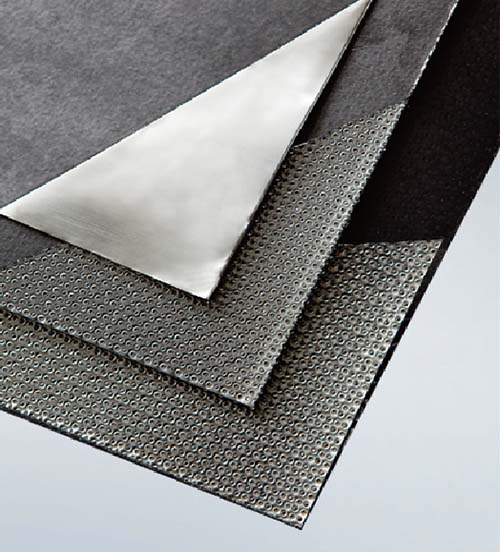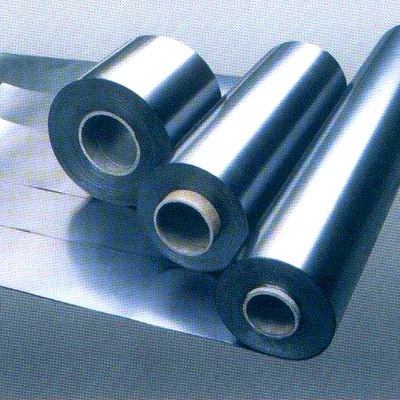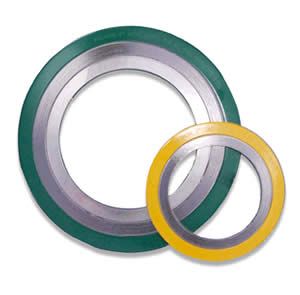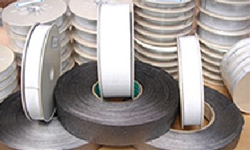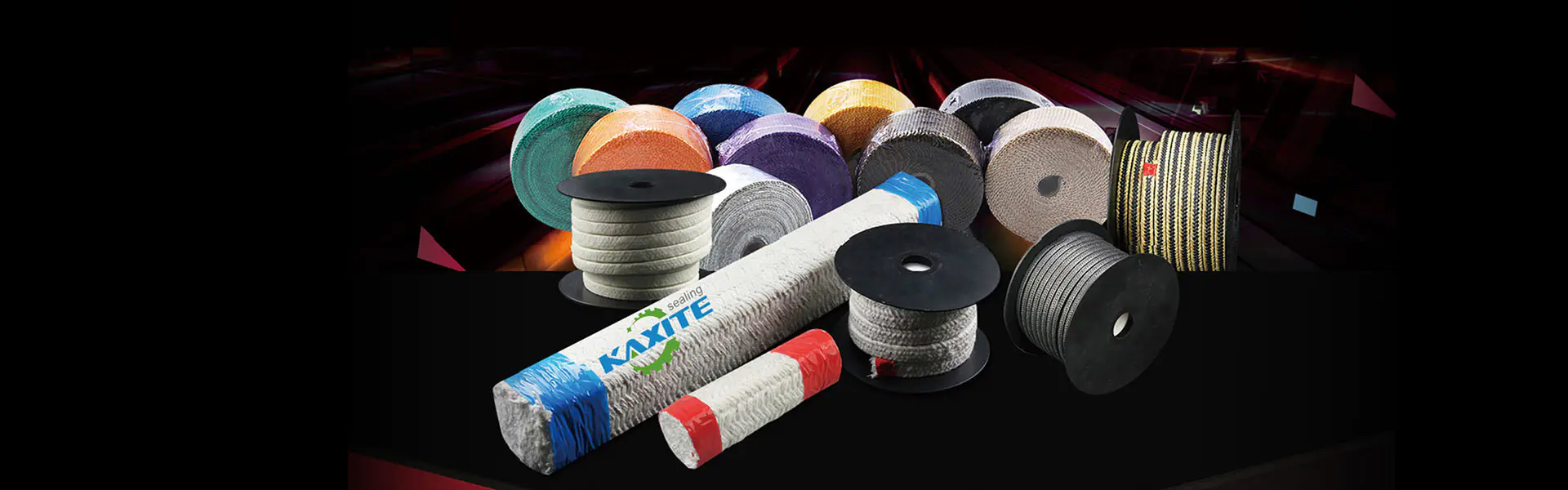
A Graphite Sheet is a highly efficient thermal management material made from compressed natural or synthetic graphite. Its unique layered structure, composed of carbon atoms arranged in a hexagonal lattice, allows for exceptional in-plane thermal conductivity. This means heat spreads rapidly across the surface of the sheet, preventing hot spots and ensuring uniform temperature distribution. Unlike traditional metal heat spreaders, graphite sheets are remarkably lightweight, flexible, and can be easily cut or shaped to fit into compact and complex electronic assemblies. At Kaxite, we engineer these sheets to provide superior heat dissipation, which is critical for enhancing the performance, reliability, and lifespan of modern electronic devices.
Kaxite Graphite Sheets stand out in the thermal interface materials market. Here are their core advantages:
Kaxite offers a range of graphite sheets tailored for various applications. Below are the detailed specifications for our standard and high-performance series.
| Parameter | KGS-S100 | KGS-S200 | KGS-S300 | Test Method |
|---|---|---|---|---|
| Color | Dark Gray | Dark Gray | Dark Gray | Visual |
| Thickness (mm) | 0.025, 0.05, 0.1 | 0.025, 0.05, 0.1 | 0.025, 0.05, 0.1 | ASTM D374 |
| In-plane Thermal Conductivity (W/m·K) | 300 - 400 | 400 - 600 | 600 - 800 | ASTM E1461 |
| Through-plane Thermal Conductivity (W/m·K) | 5 - 10 | 8 - 15 | 10 - 20 | ASTM E1461 |
| Density (g/cm³) | 1.0 - 1.2 | 1.1 - 1.3 | 1.2 - 1.5 | ASTM D792 |
| Tensile Strength (MPa) | > 6 | > 8 | > 10 | ASTM D882 |
| Operating Temperature (°C) | -40 to +150 | -40 to +200 | -40 to +250 | - |
| Parameter | KGS-HP800 | KGS-HP1200 | KGS-HP1500 | Test Method |
|---|---|---|---|---|
| Color | Graphite Black | Graphite Black | Graphite Black | Visual |
| Thickness (mm) | 0.02, 0.04, 0.08, 0.1 | 0.02, 0.04, 0.08, 0.1 | 0.02, 0.04, 0.08, 0.1 | ASTM D374 |
| In-plane Thermal Conductivity (W/m·K) | 800 - 1000 | 1000 - 1300 | 1300 - 1500 | ASTM E1461 |
| Through-plane Thermal Conductivity (W/m·K) | 15 - 25 | 20 - 30 | 25 - 35 | ASTM E1461 |
| Density (g/cm³) | 1.5 - 1.7 | 1.6 - 1.8 | 1.7 - 2.0 | ASTM D792 |
| Tensile Strength (MPa) | > 12 | > 15 | > 18 | ASTM D882 |
| EMI Shielding Effectiveness (dB) | > 60 @ 1 GHz | > 70 @ 1 GHz | > 80 @ 1 GHz | ASTM D4935 |
| Operating Temperature (°C) | -50 to +300 (Inert) | -50 to +300 (Inert) | -50 to +400 (Inert) | - |
The versatility of Kaxite graphite sheets makes them indispensable across numerous high-tech industries.
Q: How does a graphite sheet work for thermal management?
A: A graphite sheet works primarily through in-plane thermal conduction. Its crystalline structure allows phonons (heat energy carriers) to move with very low resistance along the plane of the sheet. When placed on a hot component like a CPU, it quickly absorbs the concentrated heat and spreads it laterally over its entire large surface area. This effectively lowers the component's hotspot temperature by distributing the heat to cooler areas or to the device's chassis/frame, which then dissipates it into the surrounding air. It acts as a high-speed heat distributor.
Q: What is the main difference between natural and synthetic graphite sheets?
A: Natural graphite sheets are produced from mined graphite ore, which is purified, expanded, and compressed. They typically offer excellent thermal conductivity at a cost-effective price point. Synthetic graphite sheets are made by graphitizing polymer films (like polyimide) at extremely high temperatures. Synthetic sheets often achieve higher, more consistent thermal conductivity (exceeding 1500 W/mK) and superior purity, making them ideal for high-reliability applications in aerospace, military, and premium electronics. Kaxite provides both types, guiding customers to the optimal material for their needs.
Q: Can I use a graphite sheet as a replacement for thermal paste or pads?
A: Not exactly as a direct replacement; it serves a complementary function. Thermal paste or gap filler pads are designed to fill microscopic air gaps and provide good thermal conduction *through* their thickness (through-plane). A graphite sheet’s strength is conduction *across* its plane. The most effective thermal solution often involves using both: apply thermal paste or a pad between the component and the graphite sheet for optimal interface contact, and use the graphite sheet to spread the heat laterally to a larger area or a heat sink. Some Kaxite sheets come with integrated adhesive, which can sometimes replace a thermal pad for bonding purposes.
Q: Are graphite sheets electrically conductive? Is electrical insulation required?
A: Yes, graphite sheets are electrically conductive in the in-plane direction. This property is leveraged for EMI shielding applications. However, this means if placed directly across electrical terminals or traces on a PCB, it could cause a short circuit. Therefore, electrical insulation is often necessary. Kaxite offers sheets laminated with a thin polyimide film (a standard electrical insulator) on one or both sides. This polyimide layer provides dielectric strength while having minimal impact on the overall thermal performance, ensuring safe and reliable integration.
Q: How do I install and handle a graphite sheet?
A: Handle graphite sheets with clean gloves or tools to prevent contamination. If the sheet has a protective liner over its adhesive, peel it off carefully. Align the sheet over the target component or area and press firmly from the center outward to ensure full contact and eliminate air bubbles. For sheets without adhesive, you may need a non-conductive mechanical fastener or a small amount of compatible thermal adhesive at the edges. The sheet can be easily cut with sharp scissors, a blade, or precision die-cutting for volume production. Avoid excessive bending or creasing, which could damage its internal structure.
Q: What factors should I consider when selecting a graphite sheet from Kaxite?
A: Key selection criteria include: 1) Required Thermal Conductivity: Match the sheet's in-plane conductivity (W/mK) to your heat flux density. 2) Thickness and Stiffness: Choose a thickness that fits your Z-height constraints while providing the needed handling strength. 3) Operating Environment: Consider temperature range, potential exposure to chemicals, and need for oxidation resistance. 4) Electrical Requirements: Determine if you need electrical insulation (polyimide laminate) or EMI shielding properties. 5) Form Factor: Decide if you need pre-cut shapes or rolls for in-house die-cutting. 6) Adhesive Requirement: Select the appropriate adhesive type (acrylic, silicone) based on bond strength and temperature resistance needs. Our technical team at Kaxite is ready to assist with this evaluation.
Q: How does Kaxite ensure the quality and consistency of its graphite sheets?
A: Kaxite implements a rigorous quality management system. We control the entire manufacturing process, from raw material sourcing to final slitting and packaging. Every production batch undergoes stringent in-process and final inspection, including tests for thermal conductivity (using laser flash analysis), thickness uniformity, density, tensile strength, and electrical properties. We adhere to international standards like ASTM and ISO. Furthermore, we provide full material traceability and certification for our high-performance series, ensuring our products deliver reliable and repeatable performance in your most demanding applications.