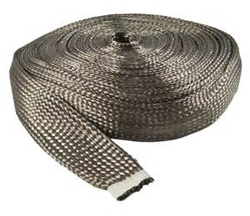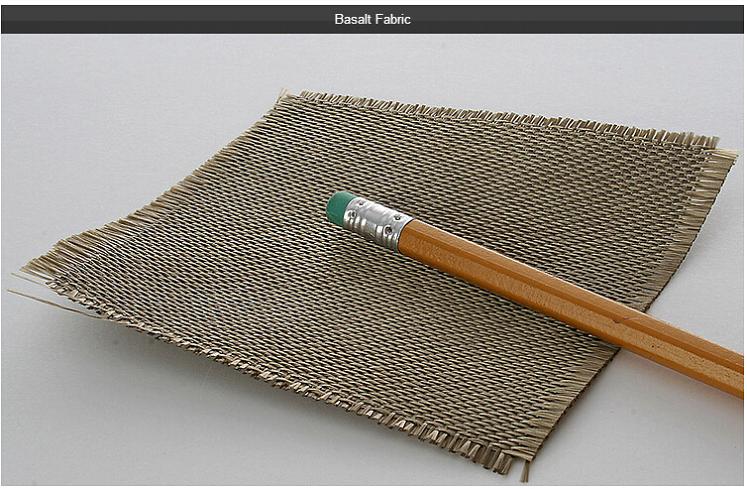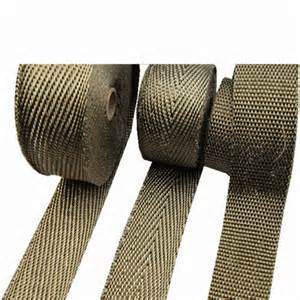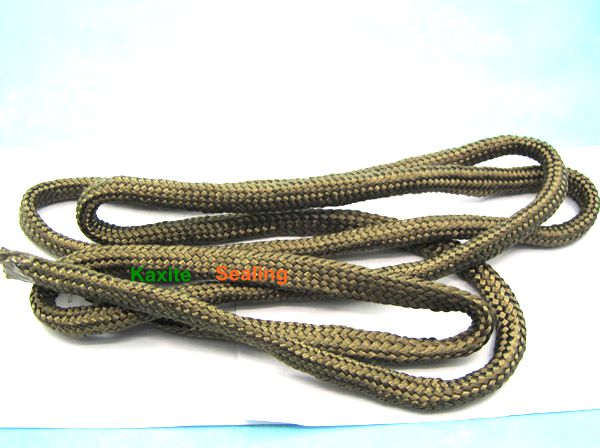
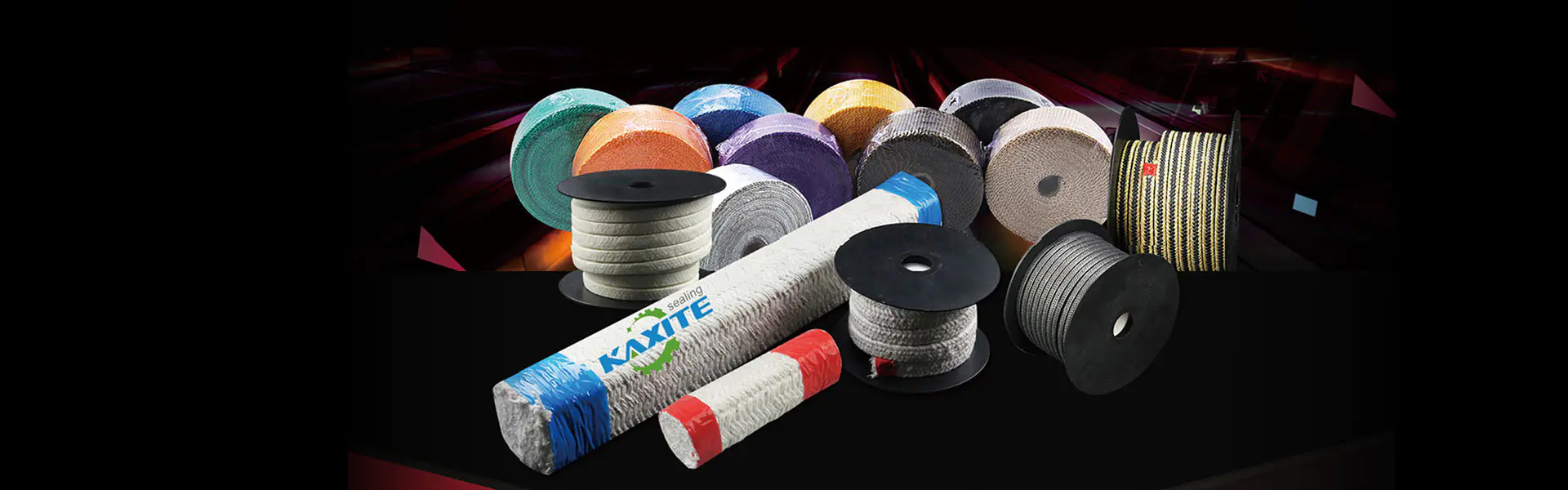
Understanding the importance of effective thermal management is crucial for energy efficiency, cost savings, and occupant comfort in any building or industrial application. The right Insulation Products form the backbone of this system. At Kaxite, we engineer high-performance insulation solutions designed to meet rigorous standards across residential, commercial, and industrial sectors. Our commitment is to provide materials that not only deliver superior performance but also ensure long-term reliability and sustainability.
Effective insulation works by reducing heat transfer—the movement of thermal energy from a warmer area to a cooler one. This process occurs through three primary methods: conduction (through materials), convection (through fluid movement like air), and radiation (through electromagnetic waves). Quality insulation products from Kaxite are specifically formulated to resist one or more of these heat flow methods, creating a stable and controlled environment.
The benefits of installing premium insulation are extensive:
Kaxite offers a comprehensive portfolio of insulation products, each designed for specific applications and performance criteria. Below is a detailed breakdown of our core product lines and their key parameters.
Ideal for standard wood framing in walls, floors, and ceilings. Pre-cut for easy handling and installation.
Used for exterior wall sheathing, basement walls, roofing, and under siding. Provides high R-value per inch.
| Type | Material | R-Value per Inch | Common Thickness | Key Features | Best For |
|---|---|---|---|---|---|
| EPS (Expanded Polystyrene) | Expanded Beads | R-3.6 to R-4.0 | 1", 2", 3" | Cost-effective, moisture resistant, versatile. | Exterior walls, foundations, below-grade. |
| XPS (Extruded Polystyrene) | Extruded Closed-Cell | R-5.0 | 1", 1.5", 2", 3" | High compressive strength, excellent moisture resistance. | Foundation walls, roofing, flooring. |
| Polyiso (Polyisocyanurate) | Foam Core with Foil Facers | R-6.0 to R-6.5 | 0.5", 1", 2" | Highest R-value per inch, reflective foil facers. | Commercial roofing, wall sheathing. |
Provides an air-tight seal and superior R-value. Perfect for irregular shapes and hard-to-reach areas.
Excellent for retrofitting existing closed walls and insulating attic floors without disturbing finishes.
When selecting Kaxite insulation products, understanding these technical specifications ensures you choose the right material for your project's requirements.
| Parameter | Definition | Why It Matters | Kaxite Focus |
|---|---|---|---|
| R-Value | Thermal resistance – a measure of the material's ability to resist heat flow. Higher numbers indicate greater insulating power. | Directly impacts energy efficiency. Required R-value varies by climate zone and building code. | We provide clear R-value data for all products and guidance on achieving code-compliant assemblies. |
| U-Factor | Thermal transmittance – the rate of heat loss through an assembly (like a window or wall). It is the inverse of R-value. | Lower U-factors mean better insulation performance for the entire building section. | Our systems-based approach ensures low overall U-factors for walls, roofs, and floors. |
| Air Permeance | A measure of air leakage through the material itself. Different from air leakage through gaps. | Critical for preventing drafts, moisture ingress, and energy loss. Air-tightness is key for modern buildings. | Spray foam and rigid boards offer very low air permeance; we detail best practices for air sealing with all products. |
| Vapor Retarder Class | Classifies a material's ability to limit water vapor diffusion (Class I is most restrictive, Class III is least). | Prevents condensation within wall cavities, which can cause mold and rot. Choice depends on climate. | We offer faced and unfaced products and provide climate-specific guidance on vapor control strategies. |
| Compressive Strength | The ability of a material to resist deformation under a load (measured in psi). | Essential for insulation under slabs, in foundations, or beneath roofing systems. | Our XPS and high-density polyiso boards offer high compressive strength for demanding applications. |
| Fire Performance | Includes ratings like Flame Spread Index (FSI) and Smoke Developed Index (SDI). Class A is the best rating. | Critical for building safety and code compliance. Materials must not contribute to fire spread. | All Kaxite insulation products meet or exceed relevant fire safety standards (ASTM E84). |
| Environmental & Health | Considers recycled content, global warming potential (GWP) of blowing agents, and indoor air quality (IAQ). | Impacts sustainability goals and occupant health. Low-VOC emissions are important. | We prioritize materials with high recycled content, low-GWP foams, and certifications for good IAQ (e.g., Greenguard). |
What is the most important factor when choosing insulation?
The single most important factor is the R-Value required for your specific climate zone and the part of the building you are insulating (wall, attic, basement). Building codes specify minimum R-values. However, equally critical is proper installation—even the highest R-value product underperforms if installed with gaps or compression. Consider the assembly's need for air sealing and moisture control as part of the selection process.
What's the difference between faced and unfaced insulation batts?
Faced batts have an attached vapor retarder, typically kraft paper or foil, on one side. This facing helps control the diffusion of moisture vapor through the wall assembly, which is crucial in colder climates to prevent condensation inside walls. Unfaced batts have no such barrier and are used when a separate vapor retarder is installed, in hot climates where vapor drive is reversed, or when adding insulation over existing material. Always follow local building codes for vapor retarder requirements.
Is spray foam insulation worth the higher cost?
Spray foam insulation, particularly closed-cell foam, offers the highest R-value per inch and creates an exceptional air seal. This dual function often makes it cost-effective in the long run due to superior energy savings. It is ideal for complex geometries, cathedral ceilings, and achieving very high performance targets (like Passive House). The upfront cost is higher than batt or blown-in insulation, but the payback period can be favorable when considering total building energy performance, reduced HVAC sizing, and enhanced comfort.
Can I install insulation over existing insulation?
Yes, in many cases you can, and it is a common method to improve thermal performance. This is called "topping up." In attics, you can add loose-fill or batt insulation over old material, provided it is not wet or moldy. For walls, dense-pack blown-in insulation is used. A critical rule: do not add a vapor-retarding facing over existing insulation that could trap moisture. Also, ensure the new insulation does not block eave vents for proper attic ventilation.
How does insulation help with soundproofing?
Insulation materials, particularly dense ones like mineral wool, cellulose, and certain fiberglass batts, absorb sound waves, reducing sound transmission through walls, floors, and ceilings. They dampen vibrations within the wall cavity. For optimal acoustic performance, insulation should be used in conjunction with other soundproofing techniques like resilient channels, mass-loaded vinyl, and sealing all air gaps, which are primary pathways for sound.
What insulation is best for a basement or concrete wall?
Basement and foundation walls require insulation that is highly resistant to moisture. Kaxite recommends rigid foam board insulation, specifically XPS (Extruded Polystyrene) or EPS with proper drainage, or closed-cell spray foam. These materials provide a continuous thermal barrier, have high R-values, and resist water absorption. They can be installed on the interior (with proper vapor and termite barriers) or exterior (below-grade rated). Avoid using standard fiberglass batts directly against concrete, as they can trap moisture.
How do I know if my current insulation is effective?
Signs of ineffective insulation include significant temperature differences between rooms, high energy bills, drafts, and ice dams on the roof in winter. A professional energy audit, which includes a thermographic scan (using an infrared camera), can visually identify areas of heat loss, missing insulation, and thermal bridging. You can also conduct a visual inspection in your attic or basement to check for insulation depth, condition, and any signs of moisture or settling.
Are Kaxite insulation products environmentally friendly?
Kaxite is committed to sustainability. Our product lines include options with significant post-consumer recycled content (e.g., cellulose insulation), mineral wool made from abundant natural materials, and fiberglass with high recycled glass content. For our foam products, we invest in formulations with next-generation, low Global Warming Potential (GWP) blowing agents. We also offer products certified for low VOC emissions to ensure better indoor air quality. Always check the specific product data sheet for environmental and health-related details.
Can insulation be a DIY project, or should I hire a professional?
Some insulation projects are suitable for confident DIYers, such as installing unfaced batt insulation in an open, accessible attic floor or laying rigid foam in a crawl space. These require careful attention to fit, coverage, and safety gear. However, projects involving blown-in insulation for walls, spray foam application, insulating complex attic spaces with ventilation concerns, or any work involving electrical components should be handled by certified professionals. Improper installation can severely degrade performance, create fire hazards, or lead to moisture problems.