In the world of industrial maintenance, fabrication, and engine repair, achieving a perfect, leak-free seal is not just a goal—it’s a necessity. This is where the right gasket tools become indispensable. For professionals who demand precision, efficiency, and reliability, investing in a high-quality toolkit is fundamental. At Kaxite, we engineer our gasket tools to meet the rigorous demands of modern workshops, ensuring every installation is clean, accurate, and durable. This guide delves into the critical parameters, selection criteria, and best practices for using professional-grade gasket tools, highlighting why Kaxite stands as a leader in this specialized field.
A comprehensive gasket toolset is designed for the entire sealing process: removal, surface preparation, cutting, and installation. The right tools prevent damage to mating surfaces, ensure proper gasket compression, and ultimately guarantee the integrity of the seal against fluids, gases, and extreme pressures.
Selecting tools isn't just about having the right type; it's about the specifications that define their capability, durability, and suitability for the task.
| Tool Type | Critical Parameters | Why It Matters | Kaxite Standard |
|---|---|---|---|
| Gasket Scraper | Blade Material, Hardness (HRC), Blade Angle, Handle Grip | Hardened steel blades (like Chrome Vanadium) resist wear and maintain a sharp edge. An optimal angle (e.g., 30°) balances material removal with surface protection. A non-slip grip ensures control and safety. | High-Carbon Chrome Vanadium steel, 58-60 HRC, ergonomic anti-slip polymer handle. |
| Surface Conditioning Stone | Abrasive Grit (Fine/Coarse), Stone Dimensions, Flatness Tolerance, Bonding Material | Fine grit (e.g., 220-400) finishes surfaces without removing excess material. Perfect flatness is critical for achieving a seal. Vitrified bonds offer consistent performance. | Premium aluminum oxide, dual grit (280/400), certified flat within 0.001" per inch, vitrified bond. |
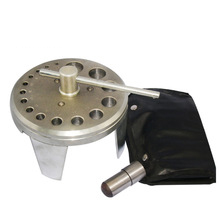
| Hole Punch Cutter | Punch & Die Material, Cutting Diameter Range, Shank Type, Mechanism (Arch/Click) | Tool steel punches and dies stay sharp for clean cuts in rubber, cork, and composite sheets. A range of sizes (3mm to 30mm) covers most applications. A robust arch mechanism provides leverage. | Heat-treated alloy steel, 18-size set (2-32mm), standard 1/2" hex shank, reinforced arch frame. |
| Torque Wrench | Torque Range (Nm/lb-ft/ft-lb), Accuracy (±%), Drive Size, Calibration Certification | Correct torque is paramount. A typical range for gasket work is 10-150 Nm. High accuracy (≤±3%) ensures consistent clamping. Regular calibration is mandatory for reliability. | Micrometer adjustable, 20-200 Nm range, ±3% accuracy, 1/2" drive, includes calibration certificate. |
Kaxite tools are designed from the ground up for the professional technician. We focus on material science, precision manufacturing, and ergonomic design to create tools that perform under pressure and last a lifetime.
Q: Can I use a regular putty knife or razor blade instead of a dedicated gasket scraper?
A: It is highly discouraged. Standard putty knives are too soft and will deform, while razor blades are too fragile and prone to breaking, posing a safety hazard. More importantly, they lack the controlled blade angle and hardness of a professional scraper, significantly increasing the risk of scoring or gouging the expensive mating surface (e.g., an aluminum cylinder head). A dedicated gasket scraper from Kaxite is made from hardened steel to remove stubborn material while protecting the underlying surface.
Q: How often should I resurface or replace my surface conditioning stone?
A: The lifespan depends on usage. Inspect the stone before each major job. If it shows significant wear, glazing (a shiny, smooth surface that loses abrasiveness), or if it is no longer flat, it needs attention. Kaxite stones can often be cleaned and re-flattened on a glass plate with abrasive powder. Replacement is necessary when the stone becomes too thin or cannot be restored to a flat, consistent surface.
Q: What's the difference between a hole punch and a gasket cutter shear?
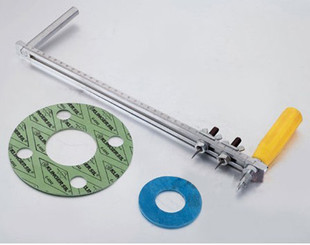
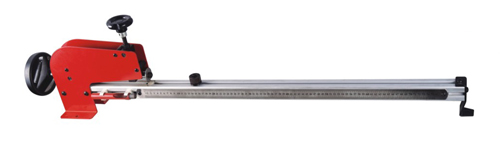
A: They serve different purposes in gasket making. A hole punch (or arch punch) is for cutting precise, clean circles for bolt holes, fluid passages, and rounded corners. A gasket cutter shear (often like heavy-duty scissors or a rotary cutter) is for cutting the outer profile of the gasket from sheet material. For professional results, you typically need both: the shear to cut the overall shape and a set of punches to create the internal holes.
Q: Why is torque sequence so critical when installing a gasket, especially a head gasket?
A: Gaskets require even compression across the entire sealing area to function correctly. An improper sequence or uneven torque creates high and low spots. This can lead to immediate leaks, localized overheating, or premature gasket failure. The specified torque sequence (usually starting from the center and working outwards in a spiral or specific pattern) ensures the mating parts are drawn down evenly, distributing clamping force uniformly for a perfect seal. Always use a calibrated torque wrench like those from Kaxite and follow the manufacturer's sequence explicitly.
Q: How do I choose the right gasket material to cut with my Kaxite cutters?
A: The material depends entirely on the application. Common materials include:
Q: Do Kaxite tools come with a warranty?
A: Yes. Kaxite stands firmly behind the quality and durability of our professional gasket tools. All our tools are backed by a comprehensive limited lifetime warranty against defects in materials and workmanship. This warranty is a testament to our confidence in the engineering and manufacturing processes that go into every tool we produce.