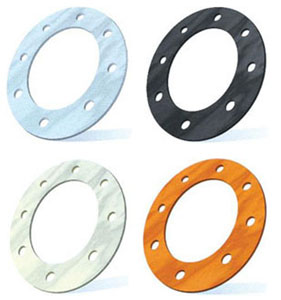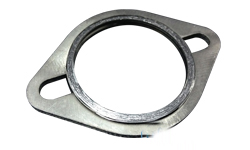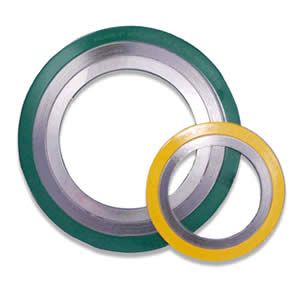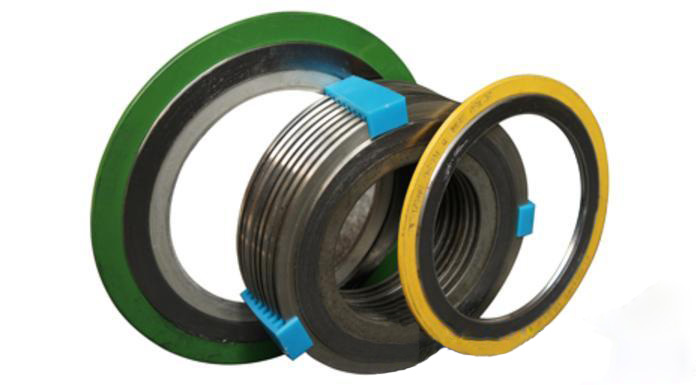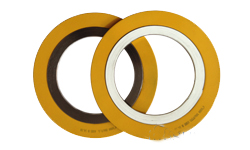
Asbestos gaskets are specialized sealing components manufactured from asbestos fibers, often combined with reinforcing materials like rubber or metal. Historically, they were the industry standard for creating reliable, heat-resistant seals in high-temperature and high-pressure applications. The innate properties of asbestos fibers, including exceptional thermal stability, chemical inertness, and durability, made these gaskets indispensable in demanding industrial environments for decades. At Kaxite, we provide detailed information and specifications for these legacy components, acknowledging their historical significance while emphasizing modern, safer alternatives for current applications where regulations permit or historical equipment requires precise replacement parts.
Due to their robust characteristics, asbestos gaskets found extensive use in sectors where failure is not an option. Their primary applications included:
It is crucial to note that the installation, maintenance, or removal of existing asbestos gaskets must be performed under strict safety protocols by trained professionals to prevent fiber release.
Kaxite's documentation on asbestos gaskets covers a range of historical specifications. These products were typically categorized by their composition, temperature rating, pressure capacity, and sheet dimensions.
| Parameter | Typical Specification Range | Description / Standard |
|---|---|---|
| Temperature Resistance | -100°F to +750°F (-73°C to +399°C) | Continuous operating range; short peaks could be higher depending on grade. |
| Pressure Resistance | Up to 1500 psi (103 bar) | Varies significantly with gasket design (e.g., spiral-wound handles higher pressures). |
| Thickness | 1/64" to 1/4" (0.4mm to 6.35mm) | Available in standard sheet gauges or custom-cut thicknesses. |
| Density | 65 - 85 lb/ft³ (1040 - 1360 kg/m³) | Indicates compression and sealing capability. |
| pH Range (Chemical Resistance) | 2 - 12 | Suitable for many acids and alkalis; specific chemical compatibility charts are essential. |
| Tensile Strength | 1500 - 3000 psi | Measures the material's resistance to pulling stress. |
| Compression Set | < 40% | Ability to recover after compression; lower percentage indicates better recovery. |
While Kaxite is a leading provider of sealing solutions, we adhere to the highest global safety and regulatory standards. Our portfolio focuses on modern, non-asbestos materials. We maintain detailed archives on asbestos gasket specifications to support industries dealing with legacy machinery, ensuring any necessary maintenance or replacement is informed and precise. We strongly advocate for consulting material safety data sheets (MSDS) and local regulations before handling any historical asbestos-containing materials.
Q: Are asbestos gaskets still legal to buy and use?
A: Regulations vary drastically by country and region. In many places, the manufacture and new installation of asbestos gaskets are banned due to health risks. However, specific exemptions might exist for critical applications in legacy systems (e.g., certain military or power generation assets) where immediate replacement is not feasible. It is imperative to consult your local environmental protection agency (EPA) or occupational safety and health administration (OSHA-equivalent) for current, legally binding guidelines. Kaxite provides this information for educational and historical reference.
Q: What are the primary health risks associated with asbestos gaskets?
A: The risk occurs when the asbestos-containing material is disturbed, releasing microscopic fibers into the air. If inhaled, these fibers can become lodged in the lungs, potentially leading to serious diseases such as asbestosis (lung scarring), lung cancer, and mesothelioma, a cancer of the lung and abdominal lining. These diseases often have a long latency period. Intact, sealed gaskets in good condition pose a lower risk, but any cutting, sanding, drilling, or deterioration can create a hazard.
Q: How can I identify if an old gasket in my equipment contains asbestos?
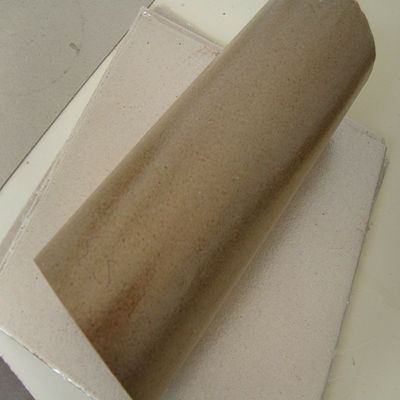
A: Visual identification is unreliable. Older gaskets, particularly in equipment installed before the 1980s, have a high probability of containing asbestos, especially if they are gray, white, or off-white and have a fibrous, layered appearance. The only definitive method is to have a sample analyzed by an accredited laboratory using polarized light microscopy (PLM) or transmission electron microscopy (TEM). Assume a gasket contains asbestos until proven otherwise and follow appropriate safety procedures.
Q: What is the proper procedure for removing an asbestos gasket?
A: Removal must be performed with extreme caution. Key steps include: isolating the work area, using negative air pressure enclosures if possible, wearing proper personal protective equipment (PPE) including a fit-tested P100 respirator, thoroughly wetting the gasket and area to suppress dust, carefully removing the material without breaking it apart, and placing all debris in approved, labeled, leak-tight asbestos waste containers. The area must be HEPA-vacuumed and wet-wiped after removal. This work should always be conducted by licensed asbestos abatement professionals.
Q: What modern alternatives does Kaxite recommend to replace asbestos gaskets?
A: Kaxite specializes in high-performance, non-asbestos sealing materials that meet or exceed the capabilities of historical asbestos products. Our recommended alternatives include:
Q: Can Kaxite supply custom-cut asbestos gaskets for legacy equipment?
A: Due to international regulations and our commitment to safety, Kaxite does not manufacture or supply new asbestos gaskets. Our role is to provide comprehensive technical data for identification and to engineer superior, safe replacement gaskets using modern alternative materials. We can produce custom-cut gaskets from any of our advanced materials to match the exact dimensions and performance needs of your legacy equipment, ensuring a safe and compliant seal.
Q: How should I store or dispose of old, unused asbestos gaskets?
A: Store them securely in a sealed, clearly labeled plastic container to prevent damage and dust release. Do not dispose of them with regular trash. Asbestos waste is classified as hazardous material and must be taken to a designated hazardous waste disposal facility. Contact your local waste management authority for specific disposal protocols and approved facilities in your area. Never attempt to burn or break apart asbestos materials.