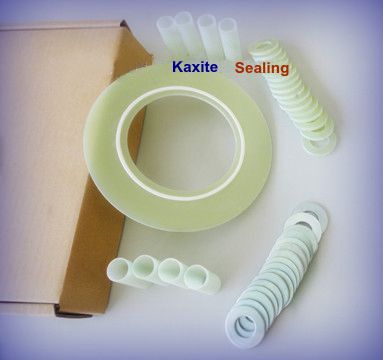
When it comes to creating reliable, leak-proof seals in demanding industrial, automotive, and manufacturing environments, the choice of sealing component is paramount. Gaskets are the unsung heroes of mechanical assemblies, preventing the escape or ingress of fluids and gases under various pressures and temperatures. Selecting the right gasket material and design is not just a matter of specification; it’s critical for safety, efficiency, and cost-effectiveness.
A gasket is a mechanical seal that fills the space between two or more mating surfaces, generally to prevent leakage from or into the joined objects while under compression. They are used in a vast array of applications, from the engine in your car to the pipelines in a chemical plant and the flanges in a commercial HVAC system.
The primary function of a gasket is to create a static seal between stationary components, capable of withstanding the operational challenges of the application, which include:
At Kaxite, we engineer our gaskets to meet precise specifications. Understanding these parameters is essential for choosing the correct seal for your application.
The base material defines the gasket's fundamental properties. Common materials include:
These measurable characteristics ensure the gasket will perform under specific service conditions.
| Parameter | Description | Why It Matters | Typical Kaxite Range |
|---|---|---|---|
| Thickness | The gauge of the gasket material. | Affects compressibility and ability to fill surface imperfections. Thinner gaskets handle higher pressures. | 0.5mm to 3.0mm (varies by material) |
| Temperature Range | Minimum and maximum continuous operating temperatures. | Prevents material degradation, melting, or embrittlement. | -60°C to +1000°C (material dependent) |
| Pressure Rating (PSI/Bar) | The maximum internal pressure the gasket can seal effectively. | Ensures the seal won't blow out or extrude under system pressure. | Vacuum to 3000+ PSI |
| Density (g/cm³) | Mass per unit volume of the material. | Indicates material consistency and can correlate to sealing performance and recovery. | 1.0 - 2.5 g/cm³ |
| Compression Set | The material's ability to return to its original thickness after compression. | A low compression set is critical for long-term seal retention, especially in bolted flanges. | 10% - 40% (lower is better) |
| Tensile Strength | Resistance to breaking under tension. | Important for handling and installation, indicating overall material strength. | 5 - 20 MPa |
A gasket must be inert to the medium it is sealing. Kaxite provides detailed chemical resistance charts for each of our materials. Key media groups include:
Kaxite specializes in manufacturing high-performance gaskets that meet rigorous international standards. Our product line is categorized to help you find the perfect seal:
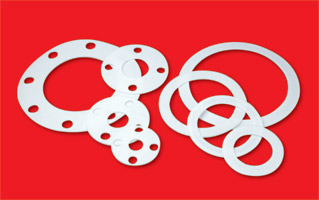
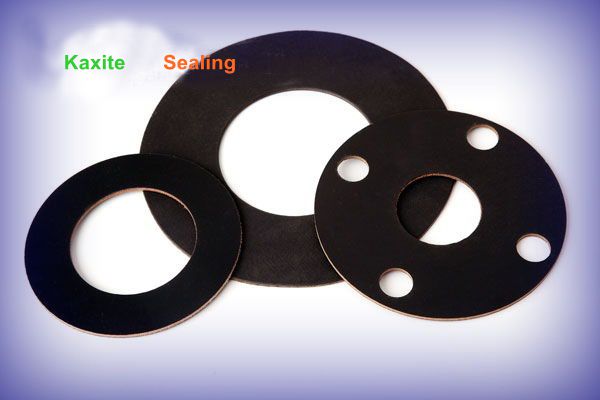
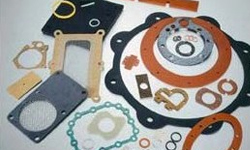
Precision-die-cut from sheet materials in standard ASME B16.21, DIN, and other common flange sizes and shapes (round, square, oval, rectangular).
We fabricate gaskets to your exact drawings and specifications, including complex geometries and multi-material composites.
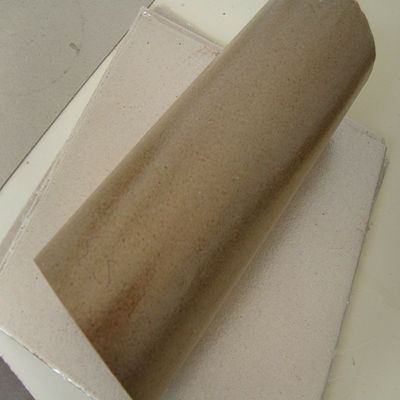
For in-house gasket cutting (GMP facilities, maintenance shops), we supply high-quality sheet and roll materials in various grades.
Q: How do I choose the right gasket material?
A: Material selection is a three-step process. First, identify the media being sealed (chemical, oil, steam, etc.) and consult a chemical resistance guide. Second, determine the operating temperature and pressure range. Third, consider the application requirements: Is it for a food-grade, high-purity, or fire-safe system? Cross-reference these factors with material property data sheets. When in doubt, consult with Kaxite's technical support team for a recommendation.
Q: What is the difference between a gasket and an O-ring?
A: Both are seals, but their applications differ. A gasket is typically used for static seals between flat, stationary flange faces (e.g., pipe flanges, engine cylinder heads, manways). It is compressed across its entire surface area. An O-ring is an elastomeric loop with a circular cross-section designed to sit in a gland (a machined groove). It creates a seal through radial compression and is used in both static and dynamic (moving) applications like pistons, shafts, and hydraulic connectors.
Q: Why did my gasket fail prematurely?
A: Premature gasket failure can stem from several root causes. The most common is incorrect material selection for the chemical or temperature environment. Other causes include improper installation (uneven bolt torque, misalignment, reusing old gaskets), flange issues (warped, scratched, or insufficiently flat surfaces), and exceeding the gasket's design limits (pressure, temperature spikes). A failure analysis can pinpoint the exact cause.
Q: What is bolt torque, and why is it critical for gasket performance?
A: Bolt torque refers to the rotational force applied to the bolts that compress the gasket between flanges. It is critical because it creates the initial compressive stress on the gasket, allowing it to flow and fill micro-imperfections on the flange faces. Insufficient torque leads to low seating stress and leakage. Excessive torque can over-compress and crush the gasket, damaging it or even distorting the flanges. Always follow a recommended bolt torque sequence and specification for your specific gasket type and flange rating.
Q: Can I reuse a gasket?
A: As a general rule, gaskets should not be reused. During installation, a gasket undergoes plastic deformation (compression set) to conform to the flange surfaces. Once disassembled, it has lost its original resilience and sealing profile. Reusing it will almost certainly result in a leak. Always replace with a new gasket from Kaxite during any maintenance procedure.
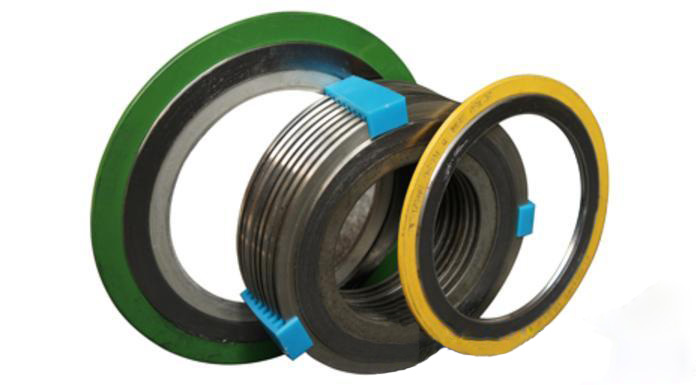
Q: What are spiral wound gaskets, and where are they used?
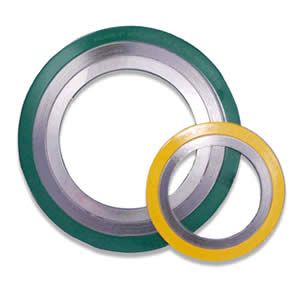
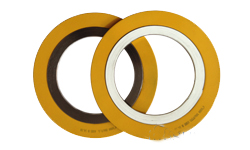
A: Spiral wound gaskets are semi-metallic seals constructed by winding a pre-formed metal strip (like 304SS) and a filler material (like graphite or PTFE) in a V-shape around a metal centering ring. They are used in high-pressure, high-temperature applications common in the oil & gas, petrochemical, and power industries (e.g., ASME B16.20/API 6A flanges). Their design allows for excellent resilience and recovery under variable loads and thermal cycling.
Q: What certifications do Kaxite gaskets hold?
A: Kaxite is committed to quality and safety. Our manufacturing processes and specific product lines are certified to relevant international standards, which may include ISO 9001:2015 for quality management, API 6A for oilfield equipment, and FDA and 3-A Sanitary Standards for materials suitable for food and pharmaceutical contact. Certifications vary by product; please contact us for specific documentation.