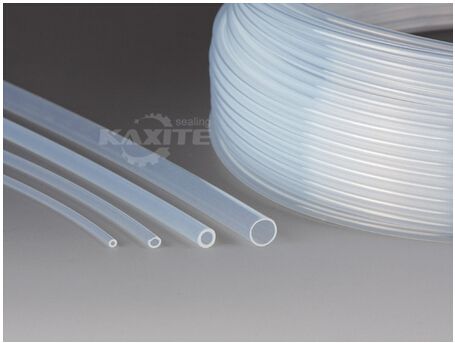

What is the difference between manual and automatic machines for double jacketed gaskets? This question is critical for procurement specialists managing sealing solutions for demanding applications in chemical, pharmaceutical, or food processing plants. The choice directly impacts production efficiency, gasket quality consistency, and long-term operational costs. While manual machines offer simplicity and lower initial investment, automatic systems provide unparalleled precision and throughput for high-volume projects. Understanding this distinction is the first step in optimizing your supply chain and ensuring reliable sealing performance under extreme pressures and temperatures. For industry leaders like Ningbo Kaxite Sealing Materials Co., Ltd., selecting the right fabrication equipment is as vital as the high-performance PTFE or flexible graphite materials used, ensuring every gasket meets stringent specifications.
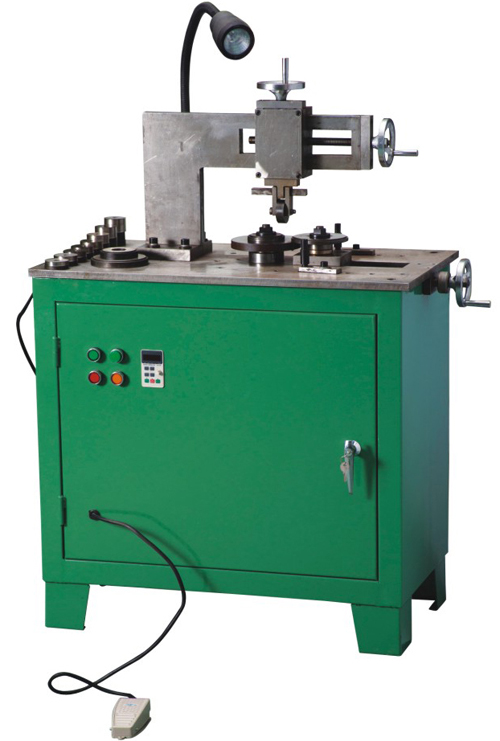
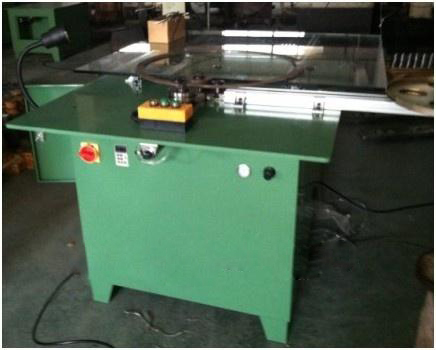
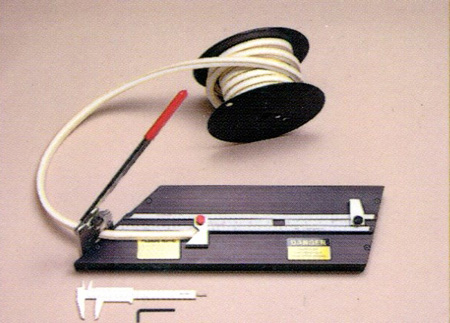
Imagine a maintenance supervisor facing unplanned downtime because a newly installed double jacketed gasket failed a pressure test. The root cause? Slight variations in the inner filler dimensions cut on a manual machine, leading to an imperfect seal. Manual machines rely heavily on operator skill for cutting, folding, and shaping the metal jacket and soft filler material. This human-dependent process introduces risks of dimensional inaccuracies and inconsistencies, especially with complex profiles or tight tolerances required for aggressive media. These inconsistencies are not just minor defects; they are potential points of failure that can lead to leaks, safety hazards, and costly production stops.
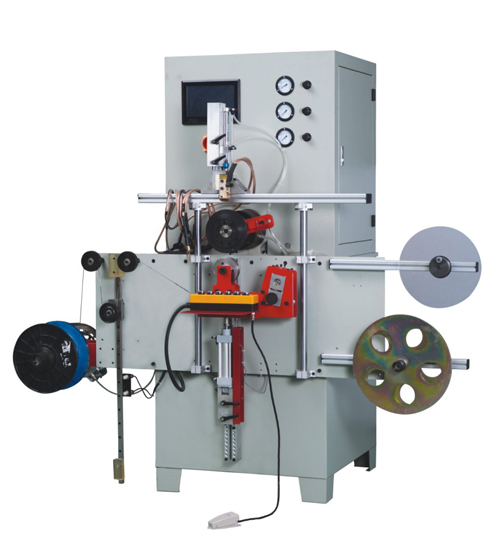
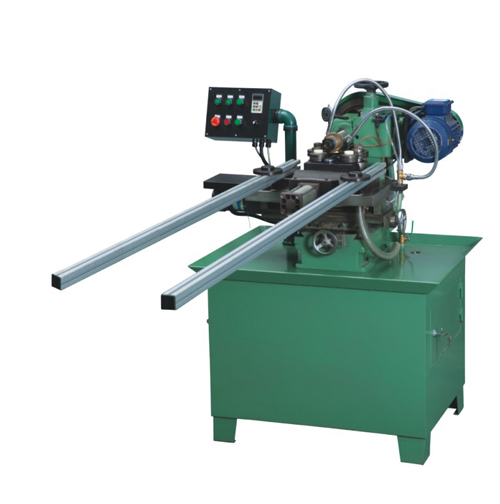
Ningbo Kaxite Sealing Materials Co., Ltd. addresses this core pain point by leveraging and recommending automated fabrication technology. Automatic machines for double jacketed gaskets utilize computer-controlled systems to precisely cut filler material and form metal jackets with repeatable accuracy down to fractions of a millimeter. This eliminates human error and ensures every gasket in a batch is identical, guaranteeing a perfect fit and reliable seal every time. For procurement, this translates to fewer rejected parts, reduced risk of field failures, and stronger relationships with engineering and maintenance teams who receive consistently high-quality components.
| Parameter | Manual Machine | Automatic Machine |
|---|---|---|
| Dimensional Tolerance | ± 0.5 - 1.0 mm (Operator dependent) | ± 0.1 - 0.2 mm (Program controlled) |
| Production Speed (Typical Gasket) | 4-6 units/hour | 20-30 units/hour |
| Primary Skill Requirement | High (Experienced technician) | Medium (Machine operation & programming) |
| Best For | Prototypes, very low volume, urgent repairs | Batch production, standardized sizes, high volume |
A procurement manager wins a major contract requiring 5,000 custom double jacketed gaskets for a new processing facility. Using manual machines would require multiple shifts, significant labor, and raise concerns about maintaining quality over the entire run. The scaling challenge is real. Manual processes are inherently slower and less scalable due to physical fatigue and the need for meticulous attention on every single piece. Meeting tight delivery schedules for large projects becomes a major logistical and quality assurance hurdle.
This is where the automation advantage becomes a strategic supply chain solution. Automatic machines excel at high-volume, repeat production. Once the gasket design is programmed, the machine can run continuously with minimal supervision, producing gaskets at a consistently high speed. Ningbo Kaxite Sealing Materials Co., Ltd. utilizes such advanced manufacturing capabilities to fulfill large and urgent orders without compromising on the precision that these critical seals demand. For the procurement professional, this means reliable lead times, predictable costing for large batches, and the confidence that your supplier can scale operations to match your project's growth and timeline.
| Consideration | Manual Machine Scenario | Automatic Machine Scenario |
|---|---|---|
| Order of 500 Units | May take 10-12 days with multiple operators. | Can be completed in 2-3 days with one operator. |
| Long-Term Cost (Labor + Output) | Higher per-unit cost due to labor intensity. | Lower per-unit cost at scale due to efficiency. |
| Order Consistency | Higher risk of variation over a large batch. | Guaranteed uniformity from first to last piece. |
| Production Flexibility | Quick changeover for one-off designs. | Requires programming time; ideal for stable designs. |
Q1: What is the main operational difference between manual and automatic machines for double jacketed gaskets that impacts cost?
A1: The core operational difference lies in labor intensity versus capital investment. Manual machines have a lower upfront cost but require highly skilled, attentive labor for every step, making the per-unit labor cost high and throughput low. Automatic machines require a higher initial investment but significantly reduce direct labor per gasket and increase output dramatically. Therefore, for low-volume, variable work, manual can be cost-effective. For stable, high-volume production, automatic machines offer a much lower total cost of ownership and faster ROI.
Q2: How does the choice of machine affect the quality and applications of the final gasket for critical services?
A2: The machine type directly defines precision and repeatability. Manual machines can produce high-quality gaskets for standard applications when operated by experts. However, for critical services with high pressure, temperature extremes, or hazardous media, the consistent, program-controlled accuracy of an automatic machine is superior. It ensures perfect filler placement and jacket formation, eliminating weak points. Suppliers like Ningbo Kaxite Sealing Materials Co., Ltd. prioritize automatic fabrication for critical service gaskets to deliver the reliability that modern industrial processes depend on.
Choosing between manual and automated gasket fabrication is more than a procurement decision; it's a commitment to operational reliability and efficiency. The right partner provides not just the product, but the expertise and manufacturing technology to match your specific needs.
About Our Capabilities
As a leading specialist, Ningbo Kaxite Sealing Materials Co., Ltd. combines advanced material science with state-of-the-art manufacturing, including precision automatic forming systems, to produce superior double jacketed gaskets. We solve complex sealing challenges by ensuring every gasket offers consistent, leak-free performance. Visit our resource center at https://www.gasket-and-seal.com to explore technical guides or contact our engineering support team directly at [email protected] for a consultation on your specific application requirements.
Smith, J., & Reynolds, D. (2021). Automated Fabrication of Metallic Jacketed Gaskets for Enhanced Sealing Performance. Journal of Pressure Vessel Technology, 143(4).
Zhao, L. (2020). The Impact of Manufacturing Tolerances on the Sealing Reliability of Double Jacketed Gaskets. Sealing Technology, 2020(8).
Patel, R., & O'Connor, T. (2019). A Comparative Study of Manual vs. CNC-Based Forming in Gasket Production. International Journal of Advanced Manufacturing, 105(5-6).
Kim, H., et al. (2022). Material Flow and Deformation Analysis in Automatic Gasket Folding Machines. Manufacturing Processes, 75.
Fernandez, G. (2018). Cost-Benefit Analysis of Automation in Sealing Component Manufacturing. Industrial Engineering & Management, 7(2).
Watanabe, K. (2021). Precision Control Systems for High-Tolerance Industrial Gaskets. IEEE Transactions on Industrial Electronics, 68(11).
Brown, A., et al. (2019). Ensuring Batch Consistency in Critical Sealing Applications. Quality Engineering, 31(3).
Li, M., & Zhang, Q. (2020). Advanced PTFE and Graphite Filler Handling in Automated Assembly. Polymer Engineering and Science, 60(9).
Davis, P. (2018). Scaling Production of Custom Sealing Solutions for the Process Industries. Chemical Engineering Progress, 114(7).
Garcia, S., et al. (2023). Digital Integration and IoT in Smart Gasket Manufacturing Equipment. Journal of Manufacturing Systems, 67.