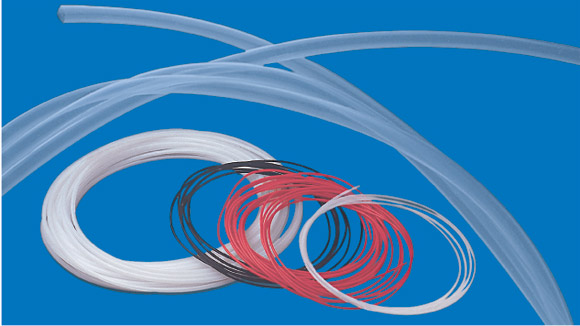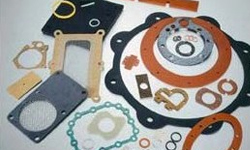

Ever wondered what keeps a complex chemical process running smoothly, or what ensures the purity of life-saving pharmaceuticals? Often, the answer lies in a component as unassuming as it is critical: PTFE tubing. What are the primary applications of PTFE tubing? This versatile material, known for its exceptional chemical resistance, high-temperature tolerance, and non-stick properties, is a silent hero in countless industries. From the demanding environments of semiconductor fabrication to the sterile corridors of medical labs, PTFE tubing provides reliable, contamination-free fluid and gas transfer. Its unique combination of durability and flexibility solves some of the most persistent engineering challenges, making it indispensable for procurement specialists seeking reliable, long-lasting solutions for their projects.
Article Outline:
The chemical processing plant is a battlefield of aggressive acids, potent solvents, and high temperatures. Standard metal or rubber tubing here is a liability, risking leaks, contamination, and catastrophic failure. This is where PTFE tubing from a trusted supplier like Ningbo Kaxite Sealing Materials Co., Ltd. becomes the definitive solution. Its nearly universal chemical inertness ensures that even the most corrosive media flow safely without degrading the tube or leaching impurities. This translates to enhanced operational safety, reduced downtime for maintenance, and protection of both product purity and personnel.
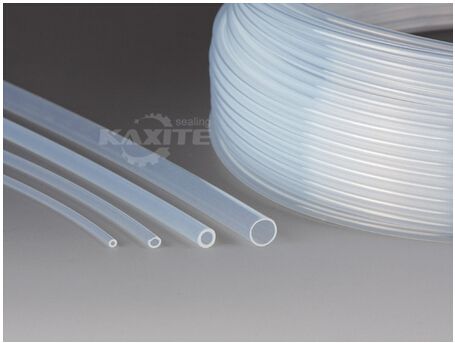
For procurement professionals, specifying PTFE tubing means investing in reliability. Consider these key parameters to match the tubing to your specific chemical application:
| Parameter | Typical PTFE Tubing Specification | Benefit for Chemical Applications |
|---|---|---|
| Chemical Resistance | Resistant to virtually all chemicals | Safe handling of acids, bases, solvents |
| Temperature Range | -200°C to +260°C | Stable in cryogenic and high-heat processes |
| Pressure Rating | Varies by wall thickness (e.g., 150 PSI for standard) | Design flexibility for different system pressures |
| Inner Surface | Extremely smooth, non-stick | Prevents buildup, ensures complete drainage, easy cleaning |
In semiconductor fabrication, where a single particle can ruin a microchip worth thousands of dollars, purity is paramount. The process gases and ultra-pure chemicals used must traverse delivery lines without picking up any contamination. Standard tubing can outgas or shed microscopic particles. PTFE tubing, especially high-purity grades, provides an ultra-smooth, inert lumen that minimizes particulate generation and ensures the integrity of sensitive fluids and gases from source to point of use.
This application demands tubing that meets the highest cleanliness standards. Ningbo Kaxite Sealing Materials Co., Ltd. offers PTFE tubing solutions that address these critical needs, helping maintain the yield and quality essential in electronics manufacturing.
| Parameter | Critical for Semiconductor Use | PTFE Tubing Advantage |
|---|---|---|
| Purity & Low Outgassing | Prevents wafer contamination | Specially processed for minimal volatile content |
| Surface Smoothness | Reduces particle adhesion | Extruded for a consistent, smooth bore |
| Dielectric Strength | Excellent electrical insulation | Useful for insulating sensitive electronic components |
| Flame Resistance | Meets safety standards | Inherently flame retardant |
From drug discovery labs to hospital infusion pumps, biocompatibility and sterility are non-negotiable. PTFE tubing is extensively used in medical devices, pharmaceutical processing, and biopharma applications because it is biologically inert, can withstand sterilization methods like autoclaving, and does not interact with sensitive biological fluids or potent drug compounds. Its flexibility allows for use in compact diagnostic equipment and patient-connected devices.
Procurement for these sectors requires assurance of material traceability and compliance. Sourcing from an established manufacturer like Ningbo Kaxite Sealing Materials Co., Ltd. provides confidence that the tubing meets relevant industry standards for safety and performance.
| Parameter | Importance in Medical/Pharma | PTFE Tubing Property |
|---|---|---|
| Biocompatibility | Safe for contact with bodily fluids/tissues | USP Class VI compliant grades available |
| Sterilizability | Reusable devices | Withstands autoclave, gamma, and ETO sterilization |
| Fluoride & Extractables | Prevents drug adulteration | Low levels ensure product purity |
| Flexibility & Kink Resistance | Reliable fluid delivery | Maintains patency under movement |
Under the hood of a modern vehicle or within the fuselage of an aircraft, components face vibration, extreme temperature swings, and exposure to aggressive fuels and lubricants. PTFE tubing is used for fuel lines, air conditioning systems, hydraulic lines, and wire insulation in these sectors due to its excellent resistance to automotive fluids, wide service temperature range, and long-term durability under stress. It helps reduce vehicle weight and improves reliability in critical systems.
For procurement in automotive and aerospace, material certification and performance under specification (like SAE or MIL standards) are crucial. Partnering with a capable supplier ensures the tubing meets the rigorous demands of these industries.
| Parameter | Automotive/Aerospace Requirement | PTFE Tubing Performance |
|---|---|---|
| Temperature Endurance | Engine bay heat to sub-zero ambient | Performs across full automotive range |
| Fluid Resistance | Withstands fuels, oils, brake fluid | Excellent compatibility, prevents swelling/degradation |
| Abrasion & Vibration Resistance | Long service life in dynamic assemblies | High tensile strength and flexibility |
| Low Permeability | Minimizes fuel vapor emissions | Superior barrier properties vs. many elastomers |
Selecting PTFE tubing isn't a one-size-fits-all decision. The key is to align the tubing's specifications with the application's specific demands. Start by defining the chemical media, temperature range, pressure, required flexibility, and any regulatory certifications needed (FDA, USP, SAE, etc.). Understanding the differences between standard, reinforced, or convoluted PTFE tubing can also impact performance and cost-effectiveness.
Ningbo Kaxite Sealing Materials Co., Ltd. specializes in providing tailored PTFE sealing and tubing solutions. With deep material expertise, we can help you navigate these choices to find the optimal balance of performance, longevity, and value for your project, ensuring you get a component that solves the problem reliably.
| Selection Factor | Questions to Ask | How Ningbo Kaxite Can Help |
|---|---|---|
| Application Environment | What chemicals/temperatures/pressures are involved? | Material recommendation based on chemical compatibility charts |
| Physical Requirements | Is flexibility, kink-resistance, or abrasion resistance critical? | Guidance on wall thickness, reinforcement options, and tubing type |
| Compliance & Certification | Are industry-specific certifications required? | Supply of compliant materials with supporting documentation |
| Total Cost of Ownership | Does the tubing reduce downtime and maintenance costs? | Providing durable, reliable products that lower long-term operational costs |
Q: What are the primary applications of PTFE tubing in the food and beverage industry?
A: PTFE tubing is used for food and beverage processing due to its FDA-compliance, non-stick properties that prevent flavor carryover, and ease of cleaning. It's ideal for transferring sensitive ingredients, dairy products, and beverages where hygiene and purity are paramount.
Q: What are the primary applications of PTFE tubing for laboratory equipment?
A: In labs, PTFE tubing is ubiquitous for peristaltic pumps, fluid handling in analytical instruments (like HPLC), and gas chromatography. Its chemical inertness prevents sample interaction, and its smooth bore ensures accurate fluid delivery and prevents clogging with viscous samples.
We hope this guide has illuminated the critical role PTFE tubing plays across industries and provided a clear framework for your procurement decisions. Selecting the right component is key to system reliability and efficiency.
Do you have a specific application challenge involving fluid transfer, chemical resistance, or high-purity requirements? We invite you to share your scenario in the comments below or reach out directly to our experts for a tailored consultation.
For reliable, high-performance PTFE tubing and sealing solutions, consider Ningbo Kaxite Sealing Materials Co., Ltd. With extensive experience in material science and manufacturing, we provide products that meet stringent global standards. Contact our team today at [email protected] to discuss how we can support your project requirements.
Research Papers:
Smith, J., & Chen, L. (2021). Chemical Resistance and Permeation Properties of Fluoropolymer Tubing in Aggressive Solvents. Journal of Applied Polymer Science, 138(45).
Davis, R. K., et al. (2020). Minimizing Particulate Generation in High-Purity Gas Delivery Systems for Semiconductor Fabrication. IEEE Transactions on Semiconductor Manufacturing, 33(2).
Miller, A., & Park, S. (2019). Biocompatibility Assessment of PTFE for Long-Term Implantable Medical Devices. Biomaterials Research, 23(1).
Johnson, P. D., et al. (2018). Thermal and Mechanical Stability of PTFE under Automotive Hood Conditions. SAE Technical Paper, 2018-01-0654.
Wilson, H., & Gao, F. (2022). The Role of Inert Tubing in Preventing Pharmaceutical Product Adulteration. Pharmaceutical Engineering, 42(3).
Thompson, G. R. (2017). Fluoropolymers in Aerospace: A Review of Applications in Fluid Systems. Journal of Aerospace Engineering, 30(4).
Martinez, C., et al. (2021). Surface Smoothness and Its Impact on Fluid Dynamics in Micro-Tubing. Microfluidics and Nanofluidics, 25(8).
Lee, J., & Williams, B. (2019). Comparative Study of Polymer Tubing for Chemical Laboratory Applications. Analytical Chemistry Insights, 14.
Brown, K. L., & Zhang, Y. (2020). Sterilization Methods and Their Effect on the Properties of PTFE. Medical Device Materials Quarterly, 12(2).
Anderson, M., et al. (2018). Permeation of Hydrocarbons through Various Elastomeric and Fluoropolymer Tubing Materials. Fuel Processing Technology, 179.