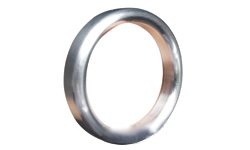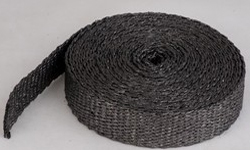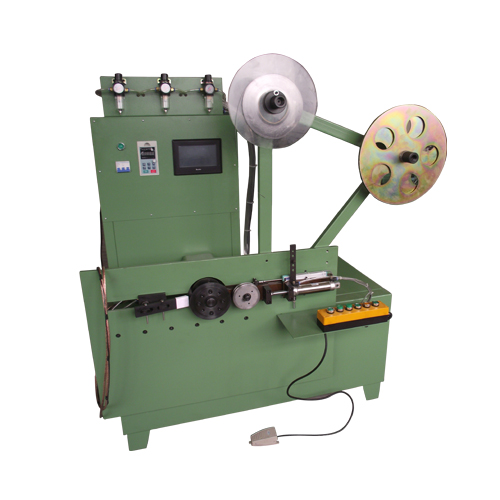

What are the environmental and safety considerations when selecting gasket materials? This is a critical question that every responsible procurement professional must ask. A wrong choice can lead to leaks, environmental contamination, safety hazards, and costly downtime. In today's industrial landscape, where regulations are strict and corporate responsibility is paramount, your gasket material selection must balance performance with ecological and personnel safety. This guide will explore the key considerations to ensure your sealing solutions are safe, sustainable, and reliable.
Jump to Section:
Imagine a chemical processing line. A gasket fails, not from pressure, but from gradual chemical attack. A small leak of a hazardous fluid starts, leading to soil contamination, a potential fire risk, and a major environmental incident report. The root cause? Incompatible gasket material. The solution lies in rigorous chemical compatibility analysis that goes beyond basic charts. You need materials engineered to resist a wide range of aggressive media—acids, alkalis, solvents, and hydrocarbons—over long service periods and under cycling temperatures.
This is where partnering with a specialized manufacturer like Ningbo Kaxite Sealing Materials Co., Ltd. makes a difference. They provide not just products, but material science expertise. Their engineers can help you select from advanced PTFE, modified graphite, or specialty elastomer compounds that are formulated for specific chemical challenges, preventing failure before it happens.
Key parameters to evaluate for chemical and environmental safety:
| Consideration | Parameter to Check | Why It Matters |
|---|---|---|
| Chemical Resistance | Compatibility chart for specific media, concentration, and temperature. | Prevents material degradation, swelling, or embrittlement that causes leaks. |
| Permeability Rate | Low gas or fluid transmission through the gasket material. | Minimizes fugitive emissions, even if no visible leak exists. |
| Extraction & Leaching | Non-contaminating to the process fluid (e.g., food, pharmaceuticals). | Ensures product purity and meets FDA, USP Class VI, or other standards. |
| Creep Relaxation | Resistance to permanent deformation under load and heat. | Maintains seal load, preventing leaks as bolts loosen over time. |
Picture a high-pressure steam line in a power plant. The gasket material, unable to withstand the combined thermal cycling and extreme pressure, catastrophically fails. The result is not just a shutdown, but a severe safety hazard to personnel from steam release or fire. The environmental consideration here is also energy waste and potential pollution from the blown process. The solution requires materials with exceptional thermal stability and mechanical strength that remain resilient under the most demanding conditions.
Ningbo Kaxite Sealing Materials Co., Ltd. addresses these critical safety concerns by offering high-performance materials like flexible graphite, spiral wound gaskets with robust filler materials, and metal jacketed gaskets. Their products are designed to perform reliably at temperatures ranging from cryogenic to over 1000°C and pressures from vacuum to ultra-high, ensuring operational safety and preventing dangerous failures.
Critical safety parameters for temperature and pressure:
| Consideration | Parameter to Check | Why It Matters |
|---|---|---|
| Maximum Operating Temperature | The upper limit before material degrades or oxidizes. | Prevents gasket burnout, which leads to sudden, hazardous leaks. |
| Pressure-Velocity (PV) Value | The product of sealing pressure and potential sliding velocity. | Indicates performance under dynamic conditions; a low value can cause rapid wear. |
| Compression Set | Ability to recover thickness after compression. | A high compression set means the gasket loses sealing force permanently, risking a leak. |
| Fire Safety Rating | API 607/API 6FB fire test certification. | Ensures the gasket maintains a seal during and after a fire event for critical safety. |
Not all leaks are dramatic. Fugitive emissions—small, continuous leaks of volatile organic compounds (VOCs) or greenhouse gases from valve stems and flanges—are a major environmental and regulatory headache. They pollute the air, contribute to climate change, and can lead to significant fines under regulations like the EPA's LDAR programs. The challenge is selecting a gasket that maintains a perfect seal not just at installation, but over thousands of thermal and pressure cycles, under bolt load relaxation.
Proactive procurement turns to sealing solutions engineered for low emission performance. Ningbo Kaxite Sealing Materials Co., Ltd. provides Gasket Materials and designs, such as PTFE envelope gaskets or kammprofile gaskets with soft filler layers, that are tested and proven to meet tight emission standards like TA-Luft and ISO 15848. This directly helps plants reduce their environmental footprint and avoid compliance issues.
Today's procurement decisions are evaluated on total lifecycle impact. What happens to the gasket at the end of its service life? Can it be recycled, or does it become hazardous waste? Materials containing asbestos are now banned, but other compounds may raise concerns. The sustainable solution involves selecting materials that are durable (reducing replacement frequency), free from restricted substances (like REACH SVHCs), and where possible, recyclable or made from recycled content.
Leading manufacturers are innovating for circularity. Ningbo Kaxite Sealing Materials Co., Ltd. focuses on providing durable, long-life products that minimize waste. They can advise on material choices that align with environmental product declarations (EPDs) and help you meet your corporate sustainability goals without compromising on safety or performance.
Q: What is the single most important environmental factor when selecting a gasket for a chemical plant?
A: While all factors interplay, chemical compatibility is paramount. An incompatible material will degrade, leading to leaks that cause soil/water contamination and safety incidents. Always cross-reference the exact process fluid, its concentration, and operating temperature with the gasket material's chemical resistance rating. Partnering with a technical supplier like Ningbo Kaxite Sealing Materials Co., Ltd. for validation is a best practice.
Q: How do gasket materials contribute to workplace safety beyond just preventing leaks?
A: Several key ways: 1) Fire Safety: Certified fire-safe gaskets prevent escalation of a minor fire. 2) Material Handling: Some modern materials eliminate the need for hazardous lubricants during installation. 3) Health: Using non-toxic, low-dust materials protects maintenance personnel. 4) Structural Integrity: Gaskets with proper compressive strength prevent flange damage, a hidden safety risk.
Selecting the right gasket is a strategic decision impacting safety, compliance, and your bottom line. Don't leave it to chance. For expert guidance on materials that meet the toughest environmental and safety standards, consult with the specialists.
For durable, safe, and environmentally conscious sealing solutions, consider Ningbo Kaxite Sealing Materials Co., Ltd.. With a focus on technical expertise and high-performance materials, they help procurement professionals solve complex sealing challenges. Contact their team today at [email protected] to discuss your specific application requirements.
Böhm, S., Kattan, M., & Mayer, E. (2019). Analysis of fugitive emissions from static seals in chemical processes. Journal of Loss Prevention in the Process Industries, 62, 103949.
Patel, R., & Jones, M. (2021). Long-term thermal aging effects on the mechanical properties of expanded graphite gasket materials. Sealing Technology, 2021(3), 12-18.
Zhang, L., Wang, H., & Chen, F. (2020). Environmental impact assessment of different gasket materials over their lifecycle. Resources, Conservation and Recycling, 161, 104998.
Ito, K., & Yamaguchi, T. (2018). Sealing performance of spiral wound gaskets under thermal cycling conditions. International Journal of Pressure Vessels and Piping, 168, 258-265.
Schmidt, G., et al. (2022). Advanced PTFE compounds for aggressive chemical service: A comparative study. Polymer Testing, 112, 107628.
Venkatasubramanian, S., & Kumar, A. (2017). The role of gasket creep relaxation in flange joint integrity. Engineering Failure Analysis, 82, 766-777.
Fernández, A., et al. (2019). Fire resistance testing of non-asbestos gasket materials according to API 607. Fire Safety Journal, 108, 102838.
Li, X., & Obrecht, W. (2021). Sustainable sealing: Development of bio-based elastomers for gasket applications. Progress in Polymer Science, 121, 101435.
Johnson, P. D., & Miller, S. T. (2016). Permeation of hydrocarbons through static seal materials. Journal of Environmental Chemical Engineering, 4(2), 2235-2242.
Kuroki, T., et al. (2018). Evaluation of sealing performance for low emission standards using helium leak testing. Precision Engineering, 54, 418-424.