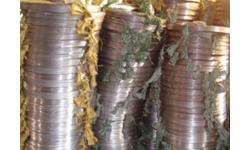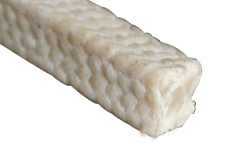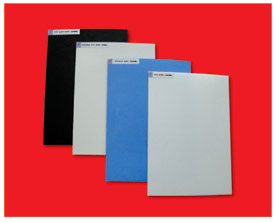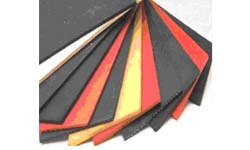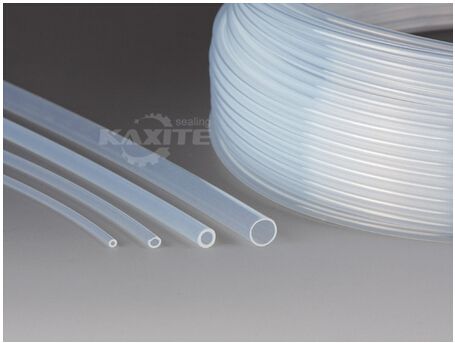

How does the chemical resistance of PTFE Parts benefit chemical processing plants? Imagine a high-pressure reactor vessel processing a highly corrosive acid mixture. A single seal failure could lead to a costly shutdown, safety hazards, and environmental contamination. This is where Polytetrafluoroethylene (PTFE), with its legendary chemical inertness, becomes a game-changer. PTFE components, such as gaskets, seals, and liners, act as an impenetrable barrier against the vast majority of aggressive chemicals, from strong acids and bases to potent solvents. This inherent resistance translates directly into enhanced operational reliability, dramatically reduced maintenance downtime, and significant long-term cost savings for any chemical processing facility. For procurement professionals, specifying PTFE parts is a strategic decision for risk mitigation and operational excellence.
Article Outline
In a chemical processing plant, corrosion is not just a nuisance; it's a constant, expensive threat. Picture a pump handling chlorine-based bleaching agents. Standard elastomer seals rapidly degrade, causing frequent leaks. Each leak necessitates an emergency shutdown for repair, halting production lines, wasting valuable product, and risking worker exposure. The cycle of replace-fail-replace eats into maintenance budgets and creates unpredictable operational bottlenecks. This scenario underscores the critical need for materials that can withstand the plant's specific chemical environment day in and day out.
Solution: Implementing PTFE-based sealing solutions. PTFE's carbon-fluorine bonds are among the strongest in organic chemistry, making it virtually impervious to chemical attack. A PTFE seal in that chlorine pump would resist swelling, hardening, and chemical degradation, ensuring a reliable seal over an extended service life and breaking the costly cycle of failure.

Typical Cost Impact of Seal Failure vs. PTFE Implementation:
| Factor | Standard Seal Failure | With PTFE Parts |
|---|---|---|
| Unscheduled Downtime | High (Frequent) | Very Low |
| Maintenance Labor & Parts Cost | Consistently High | Dramatically Reduced |
| Product Loss / Contamination Risk | Significant | Minimal |
| Mean Time Between Failures (MTBF) | Short | Exceptionally Long |
The superiority of PTFE lies in its comprehensive material properties. Beyond unmatched chemical resistance, PTFE offers a wide operational temperature range (from -200°C to +260°C), excellent anti-stick properties preventing material buildup, and low friction. Consider a heat exchanger using steam and aggressive organics. The thermal cycling and harsh media demand a material that won't crack, swell, or lose sealing force. PTFE gaskets and bellows seals excel here, maintaining integrity where metals corrode and other plastics fail. This reliability directly answers the core question: How does the chemical resistance of PTFE parts benefit chemical processing plants? It provides a predictable, durable, and safe barrier, transforming a potential point of failure into a point of strength.
Q&A:
Q: How does the chemical resistance of PTFE parts directly reduce operational costs?
A: The primary cost savings come from drastically reduced maintenance events and unplanned downtime. PTFE parts last significantly longer in corrosive environments, eliminating frequent replacements. This lowers labor costs, inventory costs for spare parts, and prevents costly production stoppages due to leaks or failures.
Q: Are all PTFE parts the same for chemical applications?
A: No. While virgin PTFE offers excellent purity and resistance, specific applications may benefit from filled PTFE grades. For example, glass-filled PTFE improves creep resistance for long-term sealing performance under load, and carbon-filled PTFE enhances conductivity. Partnering with a knowledgeable supplier is key to selecting the optimal grade.
Specifying "PTFE" is just the first step. The consistency, machining quality, and design support behind the part are what deliver the promised performance. This is where Ningbo Kaxite Sealing Materials Co., Ltd. provides distinct value. We understand that a sealing solution is only as good as its execution. Our expertise lies in manufacturing precision PTFE components—from standard O-rings and sheet gaskets to complex custom-machined parts—with rigorous quality control to ensure they meet the exacting demands of chemical processing. We work with procurement and engineering teams to recommend the right material grade and design for specific pressure, temperature, and chemical exposure, ensuring the part solves the problem reliably.
Choosing the correct PTFE component requires matching part properties to service conditions. The wrong choice can lead to premature failure. For a valve stem sealing a sulfuric acid line, factors like pressure, temperature, pH, and potential for abrasion must all be considered. A simple guide based on common plant scenarios can streamline the specification process for procurement specialists.
PTFE Part Selection Guide for Common Chemical Plant Scenarios:
| Application Scenario | Key Challenges | Recommended PTFE Solution | Critical Parameters to Specify |
|---|---|---|---|
| Aggressive Acid/Base Transfer Lines | Full chemical immersion, temperature spikes | Virgin PTFE Gaskets & Liners | Chemical concentration, max temperature, pressure |
| High-Purity Pharmaceutical Reactors | Contamination prevention, sterilization (CIP/SIP) | High-Purity Virgin PTFE Seals | FDA/USP Class VI compliance, surface finish |
| Solvent Recovery Systems | Swelling of elastomers, VOC emissions | PTFE Envelope Gaskets with filler | Solvent type, sealing force, creep resistance |
| High-Temperature Flue Gas Ducts | Thermal cycling, acid condensate | PTFE Expansion Joints / Bellows | Cyclic temperature range, movement compensation |
Ready to eliminate corrosion-related downtime and specify the right PTFE components with confidence? Partner with a supplier who brings both material expertise and practical manufacturing excellence to the table.
For over two decades, Ningbo Kaxite Sealing Materials Co., Ltd. has been a trusted partner for global industries, specializing in high-performance sealing solutions. We combine advanced PTFE material knowledge with precision engineering to solve the most challenging fluid containment problems in chemical processing, pharmaceuticals, and beyond. Visit our website at https://www.gasket-and-seal.com to explore our product catalog and technical resources. For specific inquiries or to discuss your application, please contact our team at [email protected].
Supporting Research on PTFE in Chemical Applications:
E. I. du Pont de Nemours and Company, 1946, "Polytetrafluoroethylene: A New Fluorocarbon Polymer", Industrial & Engineering Chemistry, Vol. 38, No. 3.
R. B. Seymour, 1975, "Modern Plastics Technology", Reinhold Publishing, Chapter on Fluoropolymers.
W. A. Zisman, 1964, "Surface Properties of Fluorocarbons and Their Applications", Advances in Chemistry Series, Vol. 43.
H. Mark, 1967, "Encyclopedia of Polymer Science and Technology", Interscience Publishers, Entry on Polytetrafluoroethylene.
D. I. James, 1972, "Abrasion and Chemical Resistance of Filled PTFE Composites", Wear, Vol. 22, No. 2.
S. V. Gangal, 1989, "Fluoropolymers (Homopolymers of Tetrafluoroethylene)", Encyclopedia of Chemical Technology, 4th Ed., Vol. 11.
T. A. Blanchet, 1997, "Friction and Wear of PTFE-Based Composites", in Friction and Wear of Polymer Composites, Elsevier.
J. K. S. Wan, 2001, "Chemical Resistance of Engineering Thermoplastics", Journal of Applied Polymer Science, Vol. 81, No. 1.
M. G. Jenkins, 2005, "Long-Term Performance of PTFE Gaskets in Chemical Service", Sealing Technology, Issue 2005(5).
A. T. Nguyen, 2010, "Advanced Sealing Materials for Aggressive Chemical Environments", Chemical Engineering Progress, Vol. 106, No. 4.
-