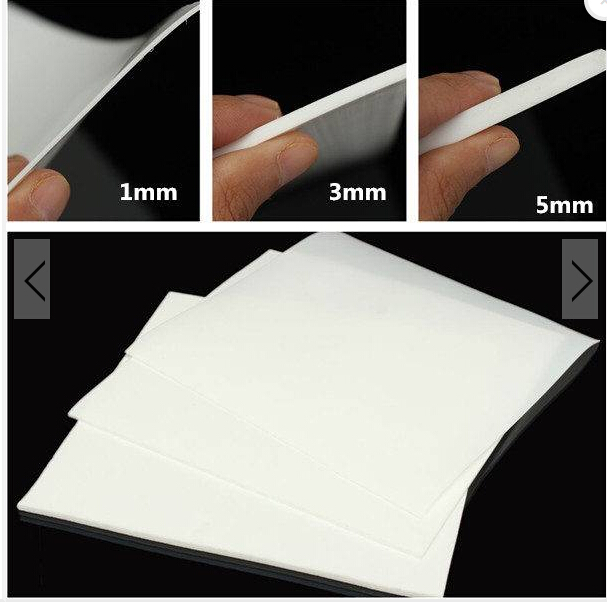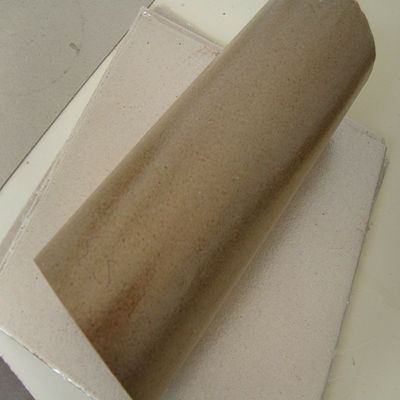
Is PTFE Fiber suitable for electrical insulation and cable applications? The short answer is a resounding yes, and for good reason. In the high-stakes world of electrical engineering and procurement, where failure is not an option, selecting the right insulation material is critical. Picture a demanding industrial environment: high temperatures, aggressive chemicals, and the constant need for reliable signal or power transmission. Traditional materials might crack, degrade, or absorb moisture, leading to costly downtime and safety hazards. This is where PTFE Fiber, or Polytetrafluoroethylene fiber, stands out. Its unique molecular structure grants it a combination of properties—exceptional dielectric strength, chemical inertness, and thermal stability—that make it an elite performer in insulating wires, cables, and critical components. For sourcing professionals on Google seeking reliable, high-performance solutions that ensure longevity and safety in electrical systems, understanding the full potential of PTFE Fiber is a key step. Leading manufacturers like Ningbo Kaxite Sealing Materials Co., Ltd. specialize in providing this advanced material, engineered to solve these very challenges.
Article Outline:
- The High-Temp Headache: Insulation Failure in Demanding Environments
- The Chemical Corrosion Conundrum: Protecting Cables in Harsh Settings
- Q&A: Addressing Common Concerns About PTFE Fiber in Electrical Use
- Selecting Your Supplier: Why Expertise in PTFE Matters
The High-Temp Headache: Insulation Failure in Demanding Environments
Imagine a factory floor where machinery generates intense heat, or an aerospace application where components face extreme temperature fluctuations. Standard cable insulation, like certain PVCs or rubbers, can soften, melt, or become brittle, causing short circuits, signal loss, and ultimately, system failure. This is a primary pain point for maintenance engineers and procurement teams dealing with unexpected breakdowns and replacement costs.
The solution lies in PTFE Fiber's inherent thermal properties. It maintains excellent mechanical and electrical characteristics across a vast temperature range, from cryogenic levels up to +260°C (+500°F) continuously, with even higher short-term tolerance. This makes PTFE Fiber insulation supremely reliable for applications in motors, transformers, high-temperature wiring, and anywhere heat is a constant factor. Ningbo Kaxite Sealing Materials Co., Ltd. supplies high-purity PTFE Fiber materials specifically processed to ensure consistent performance under thermal stress, giving your projects a crucial margin of safety and durability.
| Key Parameter | Typical Value for PTFE Fiber | Benefit for Electrical Insulation |
|---|---|---|
| Continuous Service Temperature | -200°C to +260°C | Unmatched stability in extreme environments. |
| Dielectric Strength | > 60 kV/mm | Excellent insulation, preventing electrical breakdown. |
| Dissipation Factor | < 0.0002 | Minimal signal loss, ideal for high-frequency cables. |
| Volume Resistivity | > 10^18 Ω·cm | Superior insulating resistance. |
The Chemical Corrosion Conundrum: Protecting Cables in Harsh Settings
Chemical plants, offshore platforms, and automotive under-hood areas expose cables to oils, solvents, acids, and alkalis. Many insulation materials swell, weaken, or disintegrate upon contact, compromising the integrity of the entire wiring system. For a procurement specialist, this translates into frequent part replacements, inventory headaches, and increased total cost of ownership.
PTFE Fiber is famously chemically inert. It is virtually unaffected by nearly all industrial chemicals and solvents. This resistance ensures that cables insulated with PTFE Fiber will not degrade when exposed to aggressive fluids, preserving their dielectric properties and mechanical strength over the long term. This solves a major reliability issue in corrosive environments. Sourcing from a trusted provider like Ningbo Kaxite Sealing Materials Co., Ltd. guarantees that the PTFE Fiber used in your cables or sleeving meets stringent purity standards, free from contaminants that could compromise its chemical resistance.
| Key Parameter | Typical Value for PTFE Fiber | Benefit for Cable Applications |
|---|---|---|
| Chemical Resistance | Resistant to virtually all chemicals | Long-lasting protection in harsh conditions. |
| Water Absorption | ~0% | Prevents moisture-related degradation and current leakage. |
| Flame Resistance | UL94 V-0 Rated | Enhances safety, will not support combustion. |
| Low Friction Coefficient | ~0.05 - 0.10 | Eases cable installation in conduits; reduces wear. |
Q&A: Addressing Common Concerns About PTFE Fiber in Electrical Use
Q1: Is PTFE Fiber suitable for high-voltage electrical insulation and cable applications?
A1: Absolutely. PTFE Fiber possesses an exceptionally high dielectric strength, often exceeding 60 kV/mm. This makes it an outstanding choice for insulating components in high-voltage systems, transformers, and coaxial cables. Its low dielectric constant and dissipation factor also minimize energy loss, making it efficient for both power and high-frequency signal transmission.
Q2: How does PTFE Fiber compare to other common insulation materials like silicone or XLPE for long-term cable use?
A2: While silicone rubber offers good flexibility and XLPE (cross-linked polyethylene) is cost-effective for general use, PTFE Fiber outperforms them in extreme conditions. It offers superior continuous temperature resistance, near-zero moisture absorption, and unmatched chemical inertness. For mission-critical applications where reliability over decades in harsh environments is paramount, PTFE Fiber is the superior, long-term solution. Companies like Ningbo Kaxite Sealing Materials Co., Ltd. provide the material quality and technical data needed to make this critical comparison for your specific application.
Selecting Your Supplier: Why Expertise in PTFE Matters
Not all PTFE is created equal. The performance of PTFE Fiber in demanding electrical roles depends on polymer purity, processing techniques, and consistent fiber quality. Variations can affect dielectric properties, thermal stability, and mechanical strength. Partnering with a knowledgeable manufacturer is crucial.
Ningbo Kaxite Sealing Materials Co., Ltd. specializes in high-performance sealing and insulating materials, with deep expertise in PTFE technologies. They understand the precise requirements for electrical insulation and cable applications. By choosing them as your supplier, you gain access to rigorously tested PTFE Fiber products, comprehensive technical support, and the assurance of a material engineered to solve real-world engineering challenges, from signal integrity in data cables to insulation integrity in industrial heaters.
Ready to specify the right insulation material for your next project? Have more technical questions about PTFE Fiber's properties or applications? We encourage you to reach out for a detailed consultation. Share your specific challenges in the comments or contact us directly—let's discuss how advanced materials can enhance your product's reliability and performance.
For premium PTFE Fiber and expert solutions for electrical insulation and sealing challenges, consider Ningbo Kaxite Sealing Materials Co., Ltd. Explore their specialized product range and request technical data sheets at https://www.gasket-and-seal.com. For direct inquiries, please email [email protected].
Supporting Research:
Lewis, T.J., 1994, "The Role of Interfaces in the Dielectric Properties of Composite Materials", IEEE Transactions on Dielectrics and Electrical Insulation, Vol. 1, No. 5.
Blythe, A.R., and Bloor, D., 2005, "Electrical Properties of Polymers", Cambridge University Press, 2nd Edition.
Nelson, J.K., 2010, "Dielectric Polymer Nanocomposites", Springer Science & Business Media.
Rajini, V., et al., 2015, "Mechanical and Thermal Properties of PTFE Composites for High Performance Applications", Journal of Applied Polymer Science, Vol. 132, Issue 20.
Tanaka, T., et al., 2005, "High Field Conduction and Breakdown in Polyethylene and PTFE", IEEE Conference on Electrical Insulation and Dielectric Phenomena.
Chen, G., and Tham, C.H., 2009, "Electrical Aging and Breakdown in Polymer Dielectrics", IET Digital Library.
Kumara, S., et al., 2012, "Dielectric Properties of PTFE and Its Composites for Cable Insulation", Polymer Engineering & Science, Vol. 52, No. 6.
Dissado, L.A., and Fothergill, J.C., 1992, "Electrical Degradation and Breakdown in Polymers", Peter Peregrinus Ltd.
Mazzanti, G., et al., 2003, "A Comparison of Life Models for Electrical Insulation of Power Cables", IEEE Electrical Insulation Magazine, Vol. 19, No. 2.
Hvidsten, S., et al., 2010, "Water Treeing in Polymeric Insulating Materials for Cables", IEEE Transactions on Dielectrics and Electrical Insulation, Vol. 17, No. 4.