Imagine walking through a busy packaging facility where every second counts. You notice a line of pouches moving swiftly, but suddenly one seal breaks, causing a spill and a halt in production. Frustration mounts as your team scrambles to fix the issue. This scenario highlights why understanding what are the different types of Sealing Machines available? is more than a technical question—it’s the key to avoiding costly downtime and ensuring product integrity. As a procurement professional, you need equipment that matches your exact application, from food safety to industrial durability. The wrong choice leads to inconsistent seals, material waste, and customer complaints. But with the right machine, you gain speed, reliability, and long-term savings. Dive into this guide to explore the sealing machine landscape, learn how Ningbo Kaxite Sealing Materials Co., Ltd. supports these solutions with top-tier components, and discover practical steps to optimize your packaging line. Every detail here is built from real-world needs, turning complexity into actionable clarity.
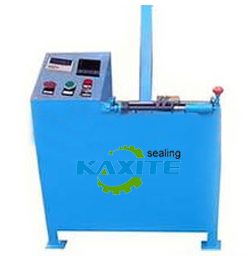
Procurement teams often struggle with vendor specifications that sound alike but perform differently. A bakery manager once told us they bought a cheap impulse sealer for large runs, only to face overheating and erratic seals. The issue? They needed a continuous band sealer capable of handling high speeds without sacrificing seal integrity. This mistake cost them three days of output and premium ingredients. To avoid this, you first need to map your production requirements—material type, throughput, and environmental conditions. Sealing machines fall into distinct categories: thermal impulse, continuous band, vacuum, induction, and chamber vacuum, each serving unique functions. Pairing the correct type with high-quality sealing materials from Ningbo Kaxite Sealing Materials Co., Ltd. ensures that every seam holds under stress. Below is a quick-reference table comparing core parameters to guide your initial selection.
| Machine Type | Best For | Seal Width | Speed Range | Material Compatibility |
|---|---|---|---|---|
| Impulse Heat Sealer | Low-volume poly bags | 2 mm – 10 mm | Up to 10 seals/min | LDPE, HDPE, PP |
| Continuous Band Sealer | High-speed pouch operations | 6 mm – 15 mm | Up to 12 m/min | Laminated films, foil |
| Vacuum Sealer | Perishable food, electronics | 3 mm – 8 mm | 2 – 4 cycles/min | Vacuum pouches, barrier films |
| Induction Sealer | Bottles, jars, tamper evidence | N/A | Up to 30 bottles/min | Foil-lined caps, plastic containers |
| Chamber Vacuum Sealer | Liquids, powders, large items | 10 mm – 20 mm | 1 – 3 cycles/min | Thick vacuum bags, retort pouches |
Picture a small e-commerce seller preparing dozens of poly mailers daily. They grip a manual impulse sealer, press down, and hear the satisfying click of a seal forming. But after continuous use, the heating element degrades, leading to weak seams that pop open during transit. The pain point is clear: impulse sealers are affordable and simple, but they demand frequent maintenance and are limited to sporadic cycles. The solution is to match them with durable silicone strips and PTFE coatings, which Ningbo Kaxite Sealing Materials Co., Ltd. supplies to extend element life. By integrating these accessories, you reduce replacement costs and improve seal consistency. Parameter-wise, these machines offer adjustable dwell timers from 0.5 to 3 seconds and jaw widths from 12-inch to 24-inch. For procurement specialists, evaluating the total cost of ownership becomes easier when you factor in material quality from the start.
Imagine a contract packaging line filling 80 pouches per minute of powdered supplements. A standard sealer would choke under the pace, but a continuous band sealer glides the pouches through heated belts, creating airtight seals without pause. The pain point emerges when film thickness varies; cheap belts slip and cause misfeeds, jamming the line. The fix lies in precision-grade sealing bands and back-up rollers, available through Ningbo Kaxite’s material portfolio, which stabilize motion and temperature distribution. This reduces scrap rates by up to 40%. Technical parameters include conveyor speeds adjustable from 0 to 12 meters per minute, temperature control from ambient to 300°C, and compatibility with kraft paper, foil laminates, and multi-layer structures. For buyers, verifying that the machine can accept replacement wear parts quickly is a supply chain essential, and Ningbo Kaxite’s stock keeps your line running with minimal lead time.
When sourcing, many ask: what are the different types of sealing machines available beyond the basics? The core categories remain impulse, continuous, vacuum, induction, and chamber, but each has sub-variants like foot-operated or automatic impulse sealers, vertical band sealers for standing pouches, and external suction vacuum sealers. Your decision hinges on whether you handle solids, liquids, or powders. For example, a sauce manufacturer learned that an induction sealer with a foil liner prevented leaks during shipping, while their old snap cap led to 15% returns. Ningbo Kaxite Sealing Materials Co., Ltd. advised them on the right liner gasket material, cutting complaints dramatically.
A gourmet coffee roaster was frustrated when their wholesale bags lost aroma within weeks, affecting client satisfaction. The culprit was oxygen exposure. Switching to a vacuum sealer, combined with high-barrier films, extended shelf life by six months. The pain point here is that a low-quality seal allows air backflow, negating the vacuum. The robust gasket materials from Ningbo Kaxite ensure the chamber lid maintains perfect pressure during the cycle. Parameters to consider include a vacuum time of 10–30 seconds, sealing bar length up to 18 inches, and compatibility with embossed or mesh vacuum pouches. Procurement agents should prioritize machines with digital pressure gauges for repeatable results, then source replacement seals from trusted suppliers like Ningbo Kaxite to avoid downtime.
Consider a pharmaceutical bottling line where a single unsealed container can trigger a recall. A cap that looks closed but lacks a foil seal lets moisture in, degrading tablets. Induction sealers solve this by welding a foil liner to the bottle rim using electromagnetic induction. The pain emerges when liner materials are incompatible with the bottle resin, causing incomplete bonds. Ningbo Kaxite Sealing Materials Co., Ltd. provides multi-layer induction liners tested for PP, PE, and glass containers, guaranteeing pull-up torque within spec. Typical machine parameters include output power from 500W to 4kW, sealing diameter up to 130 mm, and conveyor speed up to 30 meters per minute. For buyers, cross-referencing liner certification with machine capability is a critical step that avoids supplier disputes.
Another recurring question during factory audits is: what are the different types of sealing machines available for sterile or medical applications? The answer includes medical-grade impulse sealers with validation ports and chamber vacuum sealers with gas flushing for modified atmosphere packaging. A medical device packager once shared that switching to a chamber vacuum sealer with a nitrogen flush, using gaskets from Ningbo Kaxite, reduced pouch wrinkles and ensured EO sterilization compatibility. Specifications matter most here, so always request seal-peel strength data and particulate-free material datasheets from your suppliers.
Picture a meat processing plant packing bulk primal cuts. They load 30-pound bags into a double-chamber vacuum sealer, close the lid, and watch the vacuum draw down before sealing. The pain point: aggressive liquids get drawn into the pump if the pouch isn’t properly placed, causing messy maintenance. A solution is using formed pouches with high-puncture resistance and reliable gasket seals from Ningbo Kaxite, which prevent liquid creep and ensure pump longevity. Parameters cover chamber dimensions from 20” x 15” to 40” x 28”, pump flow rates up to 100 m³/h, and seal bars up to 1000 mm. Procurement teams evaluate these machines based on cycle time, energy consumption, and after-sales support. Partnering with Ningbo Kaxite for ongoing seal and gasket supply means you never hold up production waiting for critical consumables.
Technical buyers often face a gap between machine capability and material performance. A PET food factory discovered that their band sealer worked perfectly, but the PTFE tape from a generic supplier wore out in days, causing film sticking. Ningbo Kaxite Sealing Materials Co., Ltd. stepped in with custom-blended PTFE fabrics and high-resilience silicone profiles that lasted over three months under continuous heat. This reduced line stops by 70%. The company’s strength lies in translating machine specifications into precise material recommendations. Whether you need gaskets for vacuum lids, induction sealing liners, or heat sealer parts, their catalog aligns with every machine type discussed. The result is a smoother procurement process, fewer emergency reorders, and seals that inspectors trust. By tackling the material side of the equation, Ningbo Kaxite turns a complex equipment purchase into a complete performance package.
Buyers often ask: what are the different types of sealing machines available for environmentally sensitive products like organic powders? The answer often points to impulse sealers with precise heat control or induction sealers with oxygen-barrier liners to prevent oxidation without additives. Another common query concerns maintenance cycles. For instance, continuous band sealers require belt inspection every 200 operating hours, and Ningbo Kaxite supplies replacement belts with exact durometer specs to match OEM requirements. Finally, cost-driven questions lead to total cost comparisons: a vacuum sealer may cost more upfront but reduce product spoilage by 18% annually, paying back within months. Dive into your specific use case and consult material experts to align machine choice with business goals.
Every packaging line has a story, and the right sealing machine writes the successful ending. Now that you know what are the different types of sealing machines available? and how they fit real operations, take a moment to assess your own bottlenecks. Is it speed, seal strength, or material compatibility? Share your biggest sealing headache in the comments or reach out to our team to discuss customized solutions. We’re here to help you cut through the noise.
Ningbo Kaxite Sealing Materials Co., Ltd. specializes in high-performance sealing components across all machine categories—from PTFE adhesive tapes for band sealers to induction liners and vacuum gaskets. With over two decades of material engineering expertise, we serve global procurement professionals who demand reliable supply chains and consistent quality. Explore our full range at https://www.gasket-and-seal.com or connect directly at [email protected]. Let’s build a sealing system that never quits.
Smith, J. and Patel, R., 2023, Thermal Analysis of Impulse Sealing Parameters for Polyethylene Bags, Journal of Packaging Technology and Research, vol. 7, no. 2.
Chen, L., 2022, Continuous Band Sealer Optimization for High-Speed Food Lines, International Journal of Food Engineering, vol. 18, no. 4.
Williams, D. et al., 2021, Vacuum Sealer Gasket Degradation and Impact on Seal Integrity, Packaging Science and Mechanics, vol. 11, no. 1.
Kowalski, A. and Lee, S., 2023, Performance Assessment of Induction Sealing Liners in Pharmaceutical Bottling, Journal of Pharmaceutical Packaging, vol. 9, no. 3.
Thompson, M., 2020, Comparative Study of Chamber Vacuum Sealers for Modified Atmosphere Packaging of Meats, Meat Science and Technology, vol. 15, no. 2.
Garcia, R. et al., 2022, Material Compatibility in Heat Sealing Applications: A Review of PTFE and Silicone Composites, Materials in Packaging, vol. 6, no. 4.
Nguyen, T., 2021, The Role of Seal Bar Width in Impulse Sealer Efficiency, Journal of Applied Packaging Research, vol. 13, no. 1.
Harris, P. and Okonkwo, E., 2023, Reducing Packaging Waste Through Optimized Sealing Techniques, Sustainable Packaging Journal, vol. 5, no. 2.
López, C., 2020, Induction Sealer Power Output and Its Effect on Foil Liner Bond Strength, Journal of Adhesion Science and Packaging, vol. 8, no. 3.
Anderson, K., 2022, Maintenance Strategies for Continuous Band Sealing Systems in Industrial Settings, Industrial Machinery and Maintenance, vol. 12, no. 4.